Escanea el código WeChat para contactarnos
Escanea el código WeChat para contactarnos
No dudes en enviarnos un correo electrónico y te responderemos lo antes posible.
Creando el futuro con corazón y alma


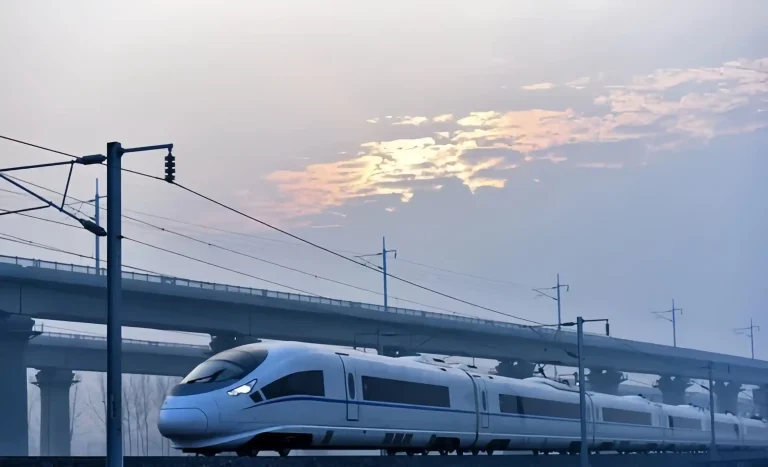
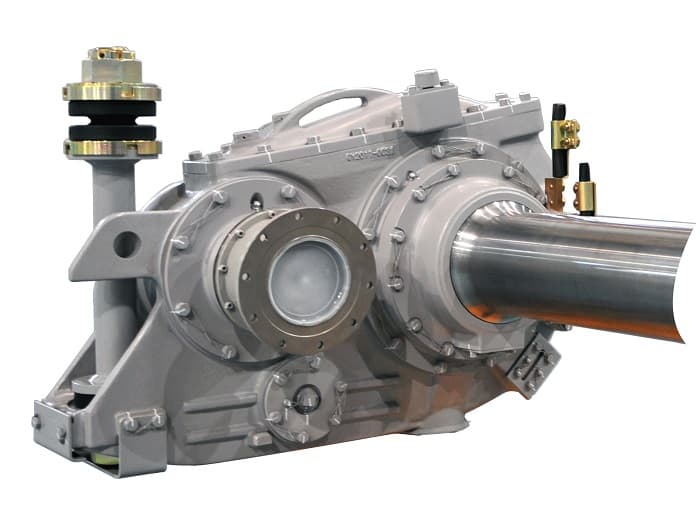
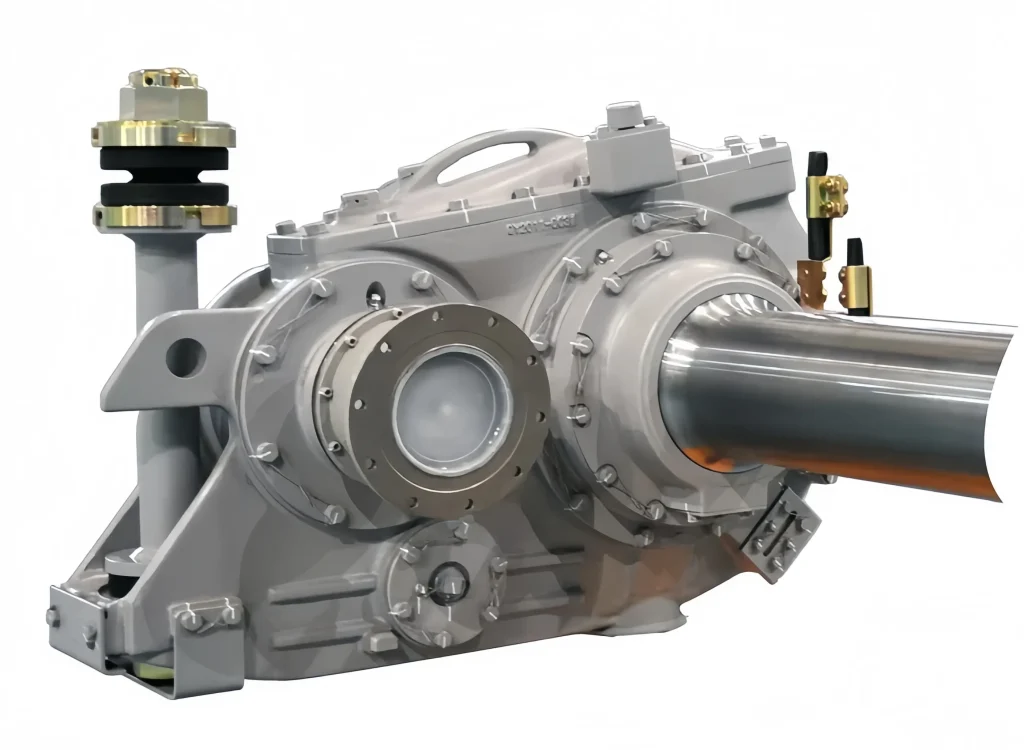
In the wave of accelerating global carbon neutrality goals, China’s high-speed rail, as a benchmark for the country’s strategic emerging industries, is undergoing a silent and profound technological change. The core of this change is not the disruptive innovation of the power system, but the caja de cambios with a diameter of less than half a meter, which is hidden deep in the bottom of the train. The biodegradability requirement of lubricants is becoming a key variable restricting the development of the industry. When the tentacles of environmental protection regulations first extended into the “blood system” of precision machinery, the game of technology, cost and ecology quietly unfolded in the roar of gear meshing.
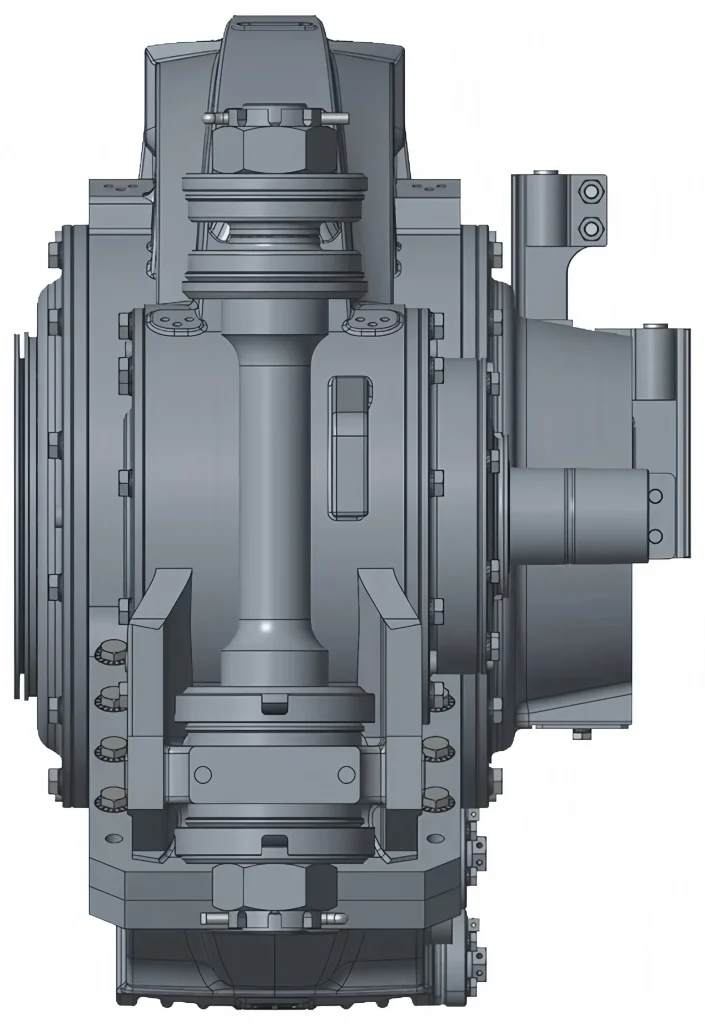
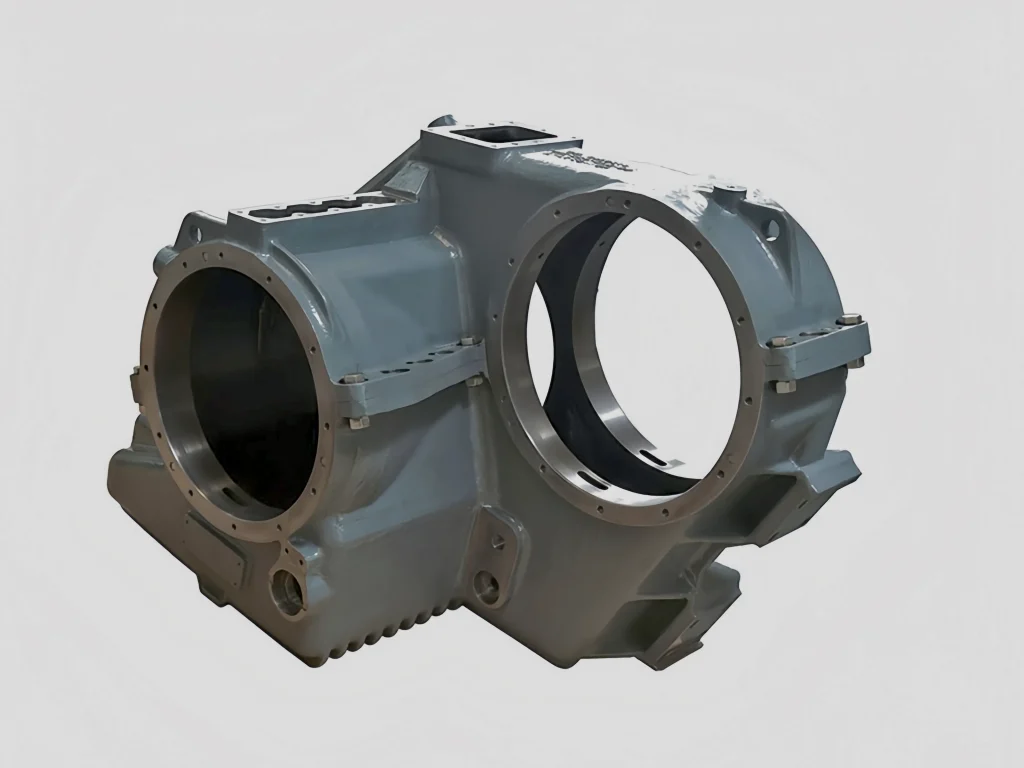
The high-speed rail gearbox is the core hub of the power transmission system. Its internal gears are continuously meshed at a speed of thousands of revolutions per minute, and the surface is subjected to a contact stress of more than 1000MPa – equivalent to the weight of an adult elephant standing on the fingernail. In an extreme temperature difference environment of -40℃ to 120℃, traditional mineral-based lubricants form a protective barrier against metal fatigue, chemical corrosion and particulate wear by forming an oil film of 0.1-10 microns. China’s high-speed rail network has exceeded 42,000 kilometers of operating mileage. Assuming that each EMU is equipped with two gearboxes, the national stock of gearbox lubricants in service exceeds 8,000 montones. These lubricants need to be replaced every 3-5 años, while the degradation cycle of traditional mineral oils is as long as hundreds of years. The microplastic pollution generated by their leakage is quietly accumulating as the rails extend.
The latest EU environmental monitoring report shows that 60% of the mineral oil derivatives detected in the soil along the railway are caused by leakage caused to gearbox seal failure. In ecologically fragile areas such as the Qinghai-Tibet Plateau, lubricant pollution has caused observable impacts on alpine meadow ecosystems. This environmental cost is in sharp conflict with the carbon neutrality goal, forcing the industry to re-examine the ecological attributes of the gearbox lubrication system.
El “Environmental Adaptability Standard for Railway Equipment Lubricants” that will take effect in 2023 draws a clear red line: the biodegradation rate of gearbox lubricants must reach more than 60% within 28 días (OECD 301F standard), cual es 300% higher than the previous requirement. This indicator change directly impacts three major technical cornerstones:
The base oil system faces reconstruction. The degradation rate of traditional PAO (polyalphaolefin) base oil is less than 15%, while the third-generation ester synthetic oil can reach 72%, but the cost has soared by 400%. More seriously, bio-based oil is prone to oxidative cracking at a high temperature of 120°C, resulting in a 30% decrease in oil film thickness and an exponential increase in gear wear rate. The bench test data of a certain main engine manufacturer showed that after using biodegradable oil, the temperature rise of the gearbox increased by 3-5°C, and the energy consumption increased by 1.2%. In a high-speed rail system with an annual power consumption of 32 billion kWh, this is equivalent to the emission load of a new medium-sized thermal power plant.
Additive chemistry encounters a ban. The traditional anti-wear agent ZDDP (zinc dialkyl dithiophosphate) is completely banned because it contains heavy metals, forcing the industry to turn to organic molybdenum compounds. Sin embargo, the fluidity of the new additive is reduced by 40% at -40°C, increasing the failure rate of winter startup of the northern line. What is more difficult is that the compatibility problem between bio-based oil and additives has not yet been solved. A certain type of lubricant showed obvious stratification after storage for 6 meses.
Sealing technology faces extreme challenges. Bio-based oil has shorter molecular chains and is 50% more volatile than mineral oil, requiring the dynamic sealing gap to be compressed from 0.1mm to 0.03mm. This is equivalent to building a protective barrier with the thickness of an A4 paper on a high-speed rotating gear shaft. The nano-composite seal developed by a supplier controls the leakage rate below 0.1ml/h, but its service life drops sharply from 8 years to 3 años.
Faced with multiple technical constraints, the industry is exploring three innovative paths:
Nano-modification technology opens up a new track. The Nano-Lube system developed by CRRC Sifang uses silica nanoparticles to construct a dynamic repair film on the metal surface, which increases the carrying capacity of bio-based oil by 40%. This technology has been verified for 500,000 kilometers on the Fuxing smart EMU, and the gearbox failure interval mileage has been extended to 1.8 millones de kilómetros. Sin embargo, the agglomeration effect of nanomaterials still needs to be resolved. Laboratory data show that the thickness of the repair film decays by 35% after running for 200,000 kilómetros.
Intelligent monitoring reconstructs the maintenance system. The fiber grating sensor network collects oil viscosity, acid value and metal particle data in real time, and combines machine learning algorithms to predict the remaining life. The pilot project of the Beijing-Zhangjiakou high-speed railway shows that this technology extends the oil change cycle from 3 years to 8 años, but the cost of a single set of monitoring equipment is as high as 200,000 yuan, and the promotion of the entire railway network needs to break through the cost bottleneck. The more far-reaching impact is that data-driven predictive maintenance is changing the traditional “regular replacement” modelo, and the turnover rate of lubricant inventory in a certain vehicle depot has increased by 60%.
Closed-loop recycling creates new industries. The RegenerOil technology developed by Volkswagen in Germany recovers 95% of the components of lubricants through supercritical CO2 extraction. The cost of a single cycle of this process is reduced to 35% of that of new oil, and the performance of the recycled oil reaches 90% of the new oil standard. Sinopec is building the world’s first 100,000 tons/year bio-based lubricant regeneration device, which uses waste oil as raw material and reduces the carbon footprint of the entire life cycle by 78%. Sin embargo, the establishment of a recycling system requires cross-industry collaboration. Actualmente, only 15% of waste lubricants enter formal recycling channels.
The forced effect of environmental protection regulations is reshaping the entire industrial chain:
In the upstream field, Sinopec has built the world’s largest bio-based lubricant production base, using polyols extracted from non-grain crops as raw materials, with an annual production capacity of 200,000 montones. The ester synthetic oil it developed still maintains good fluidity at -50°C and has successfully entered the Arctic Circle railway market.
In the midstream manufacturing end, Kluber launched a degradable gearbox oil and completed 500,000 kilometers of verification on the Fuxing. The product reduces the risk of leakage and pollution by 90%, but the price is 2.3 times that of new oil. In order to balance the cost, a certain main engine plant adopts a “graded use” estrategia: new oil is used in high-speed areas, recycled oil is used in low-speed areas, and the overall cost only increases by 18%.
In the downstream application layer, the railway department has established a lubricant digital passport system and uses blockchain technology to achieve full life cycle traceability from production to recycling. Each barrel of oil carries a unique digital identifier, which can be scanned to obtain composition, performance and environmental certification information. The system has covered 80% of the country’s EMUs, providing accurate data support for carbon trading.
The deep meaning of this change is that it forces the engineering community to redefine the connotation of “technological progress”. When the biodegradation rate becomes a hard indicator, the traditional design concept of pursuing extreme performance gives way to “environmentally friendly innovation”. The chief engineer of CRRC Changchun pointed out: “The competition in the future gearbox will depend on who can find the best solution under environmental constraints. This is not only a technological breakthrough, but also a reshaping of values.”
In the journey of carbon neutrality, the lubricant revolution of high-speed rail gearboxes is like a prism, reflecting the complex spectrum of industrial civilization transformation. When the bio-based formula in the laboratory finally turns into a green pulse flying on the rails, this silent technological evolution is writing an ecological chapter of the leap from Made in China to Smart Made in China.
Industrias pesadas Co. de Luoyang Fonyo., Limitado, Fundada en 1998, es un fabricante de piezas de ferrocarril fundidas.. Nuestra fábrica tiene una superficie de 72.600㎡, con más de 300 empleados, 32 tecnicos, incluido 5 ingenieros superiores, 11 ingenieros asistentes, y 16 tecnicos. Nuestra capacidad de producción es 30,000 toneladas por año. Actualmente, Producimos principalmente fundición., mecanizado, y montaje para locomotora, automotor, trenes de alta velocidad, equipo de minería, energía eólica, etc.. Nuestros productos han sido exportados a Rusia., los estados unidos, Alemania, Argentina, Japón, Francia, Sudáfrica, Italia y otros países..
Contacto: Estela Liu
Correo electrónico:[email protected]
Móvil:+8615515351287