قم بمسح رمز WeChat للاتصال بنا
قم بمسح رمز WeChat للاتصال بنا
لا تتردد في مراسلتنا عبر البريد الإلكتروني وسوف نقوم بالرد عليك في أقرب وقت ممكن.
صنع المستقبل بالقلب والروح


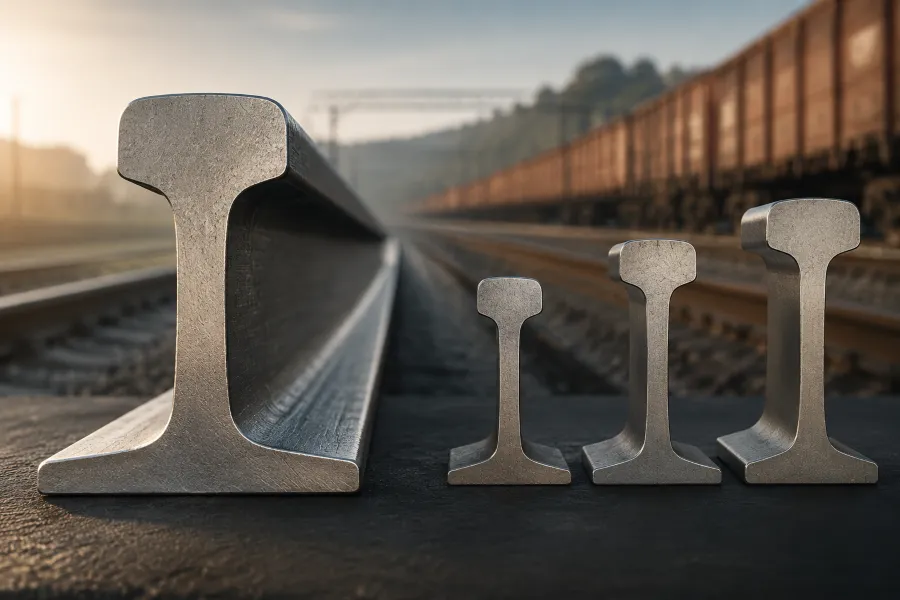
مكان اثنين قضبان السكك الحديدية جنبا إلى جنب و, لمعظم الناس, تبدو متطابقة تقريبًا. كلاهما عبارة عن أقسام فولاذية طويلة ذات قمة مستديرة, وسط ضيق, وقاعدة أوسع. إلا إذا كنت تعمل في صناعة السكك الحديدية, من السهل أن نفترض أن إحدى السكك الحديدية تشبه إلى حد كبير الأخرى.
يرى مهندسو المسار شيئًا مختلفًا تمامًا.
سكة حديدية أطول قليلاً, قدم أوسع, أو بضعة ملليمترات إضافية في رأس السكة تكشف على الفور أدلة حول كيفية أداء تلك السكة. هذه الأبعاد ليست عشوائية, ولا يتم اختيارهم ببساطة لأن إحدى الشركات المصنعة تفضل تصميمًا مختلفًا. يعكس كل منحنى وكل سُمك سنوات من الاختبار, الخبرة التشغيلية, والتحسين المستمر.
وهذا أحد الأشياء الرائعة في هندسة السكك الحديدية. المكونات التي تبدو بسيطة غالبًا ما تتضمن قرارات تصميم معقدة بشكل ملحوظ. السكك الحديدية هي مثال مثالي. على الرغم من أن مقطعها العرضي قد تغير تدريجياً خلال القرن الماضي, كل تغيير كان مدفوعًا بنفس الهدف: تحمل أحمال أثقل, تقليل الصيانة, تمديد عمر الخدمة, وتحسين السلامة.
وبالتالي فإن فهم ملف تعريف السكك الحديدية هو أكثر بكثير من مجرد تعلم بعض الأبعاد من الرسم. يتعلق الأمر بفهم سبب وجود هذه الأبعاد في المقام الأول.
في هذه المقالة, سننظر إلى ما هو أبعد من جداول المواصفات ونفحص ملفات السكك الحديدية من منظور هندسي. بدلاً من مجرد مقارنة الأحجام, سنستكشف كيف تتصرف أقسام السكك الحديدية المختلفة, لماذا يهم هندستهم, وكيف يقرر المهندسون الملف التعريفي الأكثر ملاءمة لتطبيقات السكك الحديدية المختلفة.
غالبًا ما يُطرح سؤال واحد عندما يدرس الناس السكك الحديدية لأول مرة.
إذا كانت كل السكك الحديدية تدعم القطارات, لماذا هناك الكثير من الملفات الشخصية المختلفة?
الجواب واضح ومباشر بشكل مدهش.
تطلب السكك الحديدية المختلفة من قضبانها القيام بوظائف مختلفة.
تخيل ثلاثة أنظمة للسكك الحديدية.
الأول هو خط شحن ثقيل يحمل خام الحديد أربعًا وعشرين ساعة يوميًا. القطارات ثقيلة بشكل استثنائي, الأحمال المحورية عالية, ونوافذ الصيانة محدودة لأن حركة المرور نادراً ما تتوقف.
والثاني هو المترو الحضري. القطارات أخف بكثير, المحطات متباعدة بشكل وثيق, وغالبًا ما تكون راحة الركاب بنفس أهمية القوة الهيكلية.
والثالث هو خط السكة الحديد فائق السرعة حيث تسافر القطارات بأكثر من 300 كم/ساعة. هنا, توجيه عجلة سلسة, ديناميكيات السيارة مستقرة, وتصبح هندسة المسار الدقيقة أمرًا بالغ الأهمية.
على الرغم من أن الأنظمة الثلاثة تستخدم قضبانًا فولاذية, المتطلبات المفروضة على تلك القضبان مختلفة تمامًا.
ولهذا السبب نادراً ما يبدأ مهندسو السكك الحديدية بالسؤال, “أي ملف تعريف للسكك الحديدية هو الأقوى?”
بدلاً من, يسألون سؤالا مختلفا.
فقط بعد الإجابة على هذا السؤال يكون من المنطقي تحديد قسم السكك الحديدية.
وبالتالي فإن ملف السكك الحديدية ليس مجرد شكل محدد بواسطة الرسم. إنه حل تصميمي تم تطويره لمجموعة معينة من الأحمال المحورية, سرعات التشغيل, كثافة حركة المرور, استراتيجية الصيانة, وخدمة الحياة.
افتح أي معيار للسكك الحديدية وستجد رسمًا تفصيليًا مقطعيًا للسكك الحديدية, كاملة مع الأبعاد, التسامح, والنقاط المرجعية.
إلى الشركة المصنعة, تحدد هذه الأبعاد كيفية لف السكة وفحصها.
الى مهندس, يروون قصة أكثر إثارة للاهتمام.
يؤثر كل بُعد على طريقة انتقال القوى عبر السكة.
زيادة الارتفاع الإجمالي ويصبح السكة أكثر مقاومة للانحناء.
تغيير عرض الرأس وتبدأ ظروف الاتصال بالسكك الحديدية في التغير.
تعديل توزيع القدم والحمل من خلال نظام التثبيت يتغير أيضًا.
نادرًا ما يؤثر تعديل واحد على جانب واحد فقط من الأداء.
بدلاً من, يؤثر كل بُعد على عدة أبعاد أخرى في نفس الوقت.
ولهذا السبب غالباً ما يوصف تصميم السكك الحديدية بأنه تمرين في التوازن بدلاً من التحسين.
نادرًا ما يحاول المهندسون إنشاء أكبر أو أقوى سكة حديدية ممكنة. إنهم يحاولون إنتاج سكة حديدية تعمل بكفاءة على مدار عقود من التشغيل بينما تظل اقتصادية في التصنيع, ثَبَّتَ, فحص, والمحافظة عليها.
بمجرد أن تبدأ في النظر إلى رسومات السكك الحديدية بهذه الطريقة, تتوقف الأبعاد عن كونها أرقامًا على الورق وتبدأ في أن تصبح قرارات هندسية.
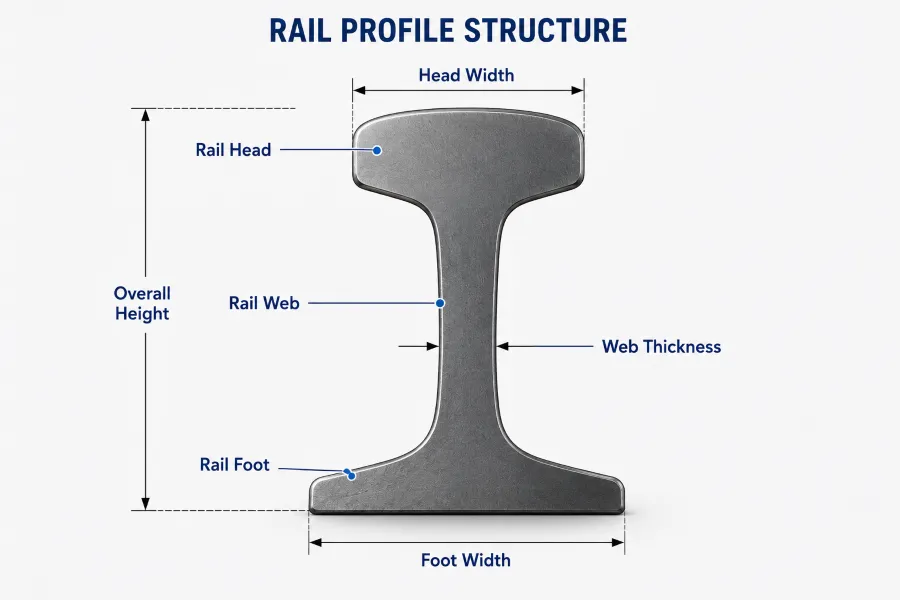
تتكون كل سكة حديدية حديثة ذات قاع مسطح من ثلاثة أقسام أساسية: الرأس, الويب, والقدم.
على الرغم من أنها عادة ما يتم وصفها بشكل منفصل, ولا ينبغي أبدًا اعتبارها مكونات مستقلة. معاً, إنهم يشكلون نظامًا هيكليًا واحدًا.
لنبدأ من الأعلى.
رأس السكة هو المكان الذي تدخل فيه كل حمولة عجلة إلى المسار. من المستغرب, غالبًا ما لا تكون منطقة الاتصال الفعلية بين العجلة الفولاذية والسكك الحديدية أكبر من مساحة العملة المعدنية. ومع ذلك، فإن رقعة الاتصال الصغيرة هذه تحمل ضغطًا هائلاً في كل مرة يمر فيها القطار.
بسبب هذا, يجب على رأس السكة أن يفعل أكثر بكثير من مجرد دعم الوزن. يجب أن تقاوم التآكل, الحفاظ على سطح اتصال يمكن التنبؤ به, تقليل التعب الاتصال المتداول, ومواصلة توجيه مجموعة العجلات بدقة طوال سنوات الخدمة.
من المغري الاعتقاد بأن توسيع رأس السكة سيؤدي إلى تحسين الأداء تلقائيًا.
للأسف, نادراً ما تكون هندسة السكك الحديدية بهذه البساطة.
يوفر الرأس الأوسع المزيد من المواد للارتداء, ولكنه يغير أيضًا هندسة التلامس بين العجلات والسكك الحديدية. يمكن أن يؤثر ذلك على سلوك التوجيه, ضغوط الاتصال, وحتى ثبات السيارة على المنحنيات. لذلك يهدف المهندسون إلى هندسة الرأس اليمنى بدلاً من هندسة الرأس الأكبر حجمًا.
التحرك للأسفل, نصل إلى شبكة السكك الحديدية.
للوهلة الأولى, يبدو أن الويب لا يفعل سوى القليل جدًا. إنه ببساطة الجزء الضيق الذي يربط الرأس بالقدم.
هيكليا, لكن, إنه بمثابة العمود الفقري للسكك الحديدية.
بينما تنتقل أحمال العجلات عبر السكة, يحمل الويب الكثير من قوة القص الناتجة بينما يساعد السكة على مقاومة الانحناء بين العوارض.
يتبع سؤال واحد واضح.
لماذا لا تجعل الويب أكثر سمكًا؟?
تعكس الإجابة مبدأً موجودًا في الهندسة.
كل ملليمتر إضافي من الفولاذ يزيد من الوزن, تكلفة التصنيع, تكلفة النقل, والتعقيد المتداول. أبعد من نقطة معينة, إن إضافة المزيد من المواد لا يؤدي إلا إلى تحسينات صغيرة في الأداء.
الهندسة الجيدة لا تعني استخدام المزيد من الفولاذ.
يتعلق الأمر بوضع الفولاذ حيث يحقق أكبر فائدة.
أخيراً, هناك قدم السكك الحديدية.
إذا كان الرأس يتلقى الحمل, تقوم القدم بتوصيل هذا الحمل إلى النائمين ونظام التثبيت.
إحدى الطرق السهلة لفهم الغرض منها هي تخيل المشي على أرض ناعمة.
الكعب العالي يركز وزنك في منطقة صغيرة جدًا, مما يتسبب في غرق الأرض تحتك.
ينتشر حذاء المشي لمسافات طويلة نفس الوزن على سطح أكبر بكثير.
تعمل قدم السكة بنفس الطريقة تمامًا.
ويساعد عرضه على توزيع أحمال العجلات بشكل متساوٍ في هيكل المسار الداعم, الحد من الضغوط المحلية وتحسين الاستقرار.
مرة أخرى, لكن, الأكبر ليس أفضل تلقائيًا.
تتطلب القدم الأوسع المزيد من المواد, يؤثر على تصميم التثبيت, ويؤثر على عملية الدرفلة أثناء التصنيع.
كما هو الحال مع كل جزء آخر من السكك الحديدية, يبحث المهندسون عن التوازن بدلاً من التطرف.
عندما ينظر إليها معا, تصبح العلاقة واضحة.
يدير الرأس اتصال العجلة.
الويب ينقل القوى.
The foot distributes those forces safely into the track.
Change one without considering the others, and the behaviour of the entire rail changes.
That is why experienced railway engineers rarely discuss individual dimensions in isolation.
They evaluate the rail as one complete structural system.
When people compare two railway rail profiles, the first thing they usually notice is the height.
One rail may be slightly taller than another, and it’s natural to assume that the taller rail must also be stronger.
Sometimes that’s true.
Often, it isn’t the whole story.
Engineers are usually more interested in where the material is located than in how much material exists.
Moving steel farther from the centre of the section improves bending resistance much more effectively than simply increasing the overall mass.
على نفس المنوال, changing the shape of the rail head may influence wheel–rail contact far more than increasing the total weight by a few kilograms per metre.
This explains why two railway rail profiles with similar weights can perform quite differently in service.
Their dimensions may look similar on paper, but the way those dimensions work together determines how the rail behaves after millions of wheel passages.
After understanding how a rail works as a structural system, another question naturally follows.
Why do modern railways still use so many different rail profiles?
Wouldn’t it be simpler if every railway adopted exactly the same section?
من منظور التصنيع, perhaps it would.
من وجهة نظر هندسية, the answer is much less straightforward.
Every railway operates under its own combination of traffic volume, تحميل المحور, سرعة التشغيل, مناخ, maintenance philosophy, and construction budget. Those differences may seem small on paper, but over thirty or forty years of operation they have a significant impact on track performance.
A railway carrying a handful of passenger trains each day places very different demands on its rails than a freight corridor moving millions of tonnes of cargo every year. على نفس المنوال, a metro network with frequent acceleration and braking experiences loading conditions that are completely different from those of a high-speed railway.
This is why rail profiles have continued to evolve instead of converging into a single universal design.
The goal has never been to produce one railway rail that can do everything. The goal is to match the rail section to the work it will actually perform.
Among European rail profiles, UIC54 is often regarded as one of the best-balanced designs.
It provides sufficient bending strength for many conventional passenger lines and mixed-traffic routes without introducing unnecessary weight or material cost.
That balance is one of its greatest strengths.
Engineers sometimes describe UIC54 as an efficient profile because it delivers reliable performance across a wide range of operating conditions while remaining economical to manufacture and maintain.
People occasionally assume that UIC54 is simply an older version of UIC60.
في الواقع, they were developed for different operating requirements.
On railways where axle loads and traffic density remain within its design range, UIC54 can provide decades of dependable service. Replacing it with a heavier section would not automatically improve performance, but it would almost certainly increase construction costs.
As train frequencies increased and axle loads became heavier, many railway administrations needed a rail capable of carrying greater stresses with longer maintenance intervals.
UIC60 was developed to meet those demands.
Compared with lighter profiles, it offers greater bending stiffness and provides more material in areas that experience long-term wear. These characteristics make it particularly suitable for heavily trafficked main lines, السكك الحديدية عالية السرعة, and freight corridors where maintenance opportunities are limited.
Its advantages, لكن, are often misunderstood.
The reason UIC60 performs well is not simply because it weighs more.
Its geometry has been carefully refined so that additional material is placed where it contributes most to structural performance and durability.
That distinction is important.
Adding steel everywhere would only increase weight. Good engineering is about using material efficiently, not generously.
Engineers who work internationally quickly notice that North American rail profiles differ from those commonly used in Europe and many parts of Asia.
This doesn’t mean one standard is technically superior.
It reflects different railway histories.
North American railways developed around long-distance freight transportation, often carrying extremely heavy axle loads across vast networks. European railways evolved under different priorities, balancing passenger services, freight traffic, and increasingly higher operating speeds.
As those networks developed, their engineering solutions naturally evolved in different directions.
Today’s AREMA and UIC rail profiles therefore represent different design philosophies shaped by decades of practical experience rather than fundamentally different engineering principles.
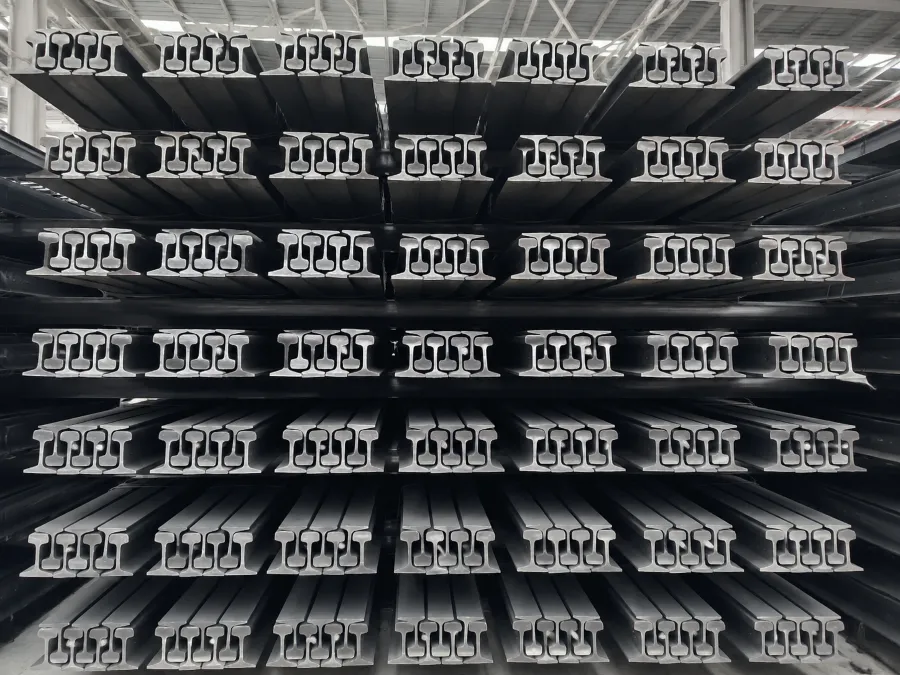
One of the most common questions in railway engineering sounds deceptively simple.
Which rail profile is the best?
Experienced engineers rarely answer that question directly because the question itself is incomplete.
Imagine you’re designing a brand-new railway.
Before discussing rail profiles, you would probably ask several other questions first.
How heavy are the trains?
How many trains will use the line each day?
Will they carry passengers or freight?
How large are the axle loads?
What is the expected service life?
How much maintenance can realistically be carried out each year?
Only after those questions have been answered does rail selection begin.
This approach explains why experienced engineers often spend more time understanding operating conditions than comparing catalogue specifications.
The rail profile is only one component within a much larger system.
النائمون, أنظمة التثبيت, ballast quality, wheel profiles, ممارسات الصيانة, and even local climate all influence how successfully a rail performs over its lifetime.
A profile that works exceptionally well on one railway may provide little advantage on another.
That is why railway engineering rarely deals in universal answers.
بدلاً من, it focuses on finding the most suitable solution for a particular set of conditions.
Outside the railway industry, rails are often described by their weight.
Terms such as 50 كجم السكك الحديدية, 60 كجم السكك الحديدية, أو 136 إعادة السكك الحديدية are widely used because they provide a quick way to identify different sections.
Weight is certainly important.
It influences transportation costs, installation methods, و, to some extent, structural capacity.
But experienced engineers know that weight alone tells only part of the story.
Imagine two beams made from exactly the same amount of steel.
One has been carefully designed to place more material where bending stresses are highest.
The other distributes its material less efficiently.
Although both weigh the same, their structural performance may be very different.
The same principle applies to railway rails.
The location of the material is often just as important as the amount of material itself.
This is why engineers pay close attention to properties such as section modulus and moment of inertia. These values describe how effectively the rail resists bending rather than simply how much steel it contains.
بعبارة أخرى, a heavier rail is not automatically a better rail.
A well-designed profile usually outperforms a heavier but less efficient one.
Perhaps the biggest lesson hidden inside a railway rail profile is that engineering is rarely about maximising a single characteristic.
A taller rail improves bending resistance but increases material cost.
A wider head provides additional wear allowance but changes wheel–rail contact geometry.
A thicker web increases structural capacity but also increases weight.
A wider foot improves load distribution but influences fastening design and manufacturing.
Every improvement introduces a new trade-off.
That is why railway engineering has evolved through gradual refinement rather than dramatic redesign.
Modern rail profiles are the result of more than a century of operational experience. Countless engineers have tested, measured, modified, and improved these sections under real railway conditions.
What we see today is not the result of one brilliant design.
It is the result of thousands of practical engineering decisions accumulated over generations.
للوهلة الأولى, a railway rail appears to be little more than a rolled steel section.
Look closer, لكن, and it becomes clear that every part of its geometry has a purpose.
The shape of the head influences wheel contact and wear. The web transfers forces through the rail while resisting bending. The foot distributes loads into the supporting track structure. معاً, these elements determine how the rail performs over decades of service.
لهذا السبب, engineers do not judge a rail profile by its appearance alone.
They consider how it behaves under load, how it interacts with wheels and fastening systems, how easily it can be maintained, and whether it is appropriate for the railway it is intended to serve.
Understanding railway rail profiles is therefore not about memorizing dimensions or comparing specification tables. It is about recognizing the engineering decisions behind those dimensions and how they contribute to the safety, مصداقية, and long-term performance of modern railway infrastructure.
في شركة لويانغ فونيو للصناعات الثقيلة, المحدودة., we apply the same engineering mindset to the products we manufacture. نحن متخصصون في مكونات السكك الحديدية, عجلات السكك الحديدية, مصبوبات السكك الحديدية, وأجزاء السكك الحديدية المصممة خصيصًا للعملاء في جميع أنحاء العالم. سواء كنت تقوم بتوريد منتجات السكك الحديدية القياسية أو تطوير المكونات بناءً على الرسومات الفنية, تلتزم فرق الهندسة والتصنيع لدينا بتقديم خدمات موثوقة, حلول عالية الجودة تلبي معايير الصناعة الدولية.
To learn more about our railway manufacturing capabilities and product range, يزور www.railwaypart.com or contact our team to discuss your project requirements.