قم بمسح رمز WeChat للاتصال بنا
قم بمسح رمز WeChat للاتصال بنا
لا تتردد في مراسلتنا عبر البريد الإلكتروني وسوف نقوم بالرد عليك في أقرب وقت ممكن.
صنع المستقبل بالقلب والروح


When people evaluate مسبوكات حديد الدكتايل, they usually look at chemical composition or mechanical properties first.
But in real foundry practice, those numbers are not where quality starts — they are the outcome of a stable and controlled ductile iron melting process.
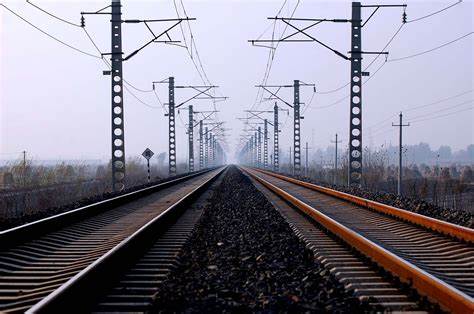
We have seen the same pattern repeatedly in demanding applications like railway components and heavy equipment: two suppliers using similar raw materials, but their castings perform very differently in service.
The difference almost always traces back to what happenedbefore pouring — specifically, إزالة الكبريت, nodulizing, and inoculation.
This guide walks you through each step of the ductile iron melting process, explains why it matters, and gives you practical questions to ask suppliers.
Whether you are a buyer, designer, or foundry engineer, you will learn how to judge process quality — not just final test reports.

Every stable ductile iron melting process begins with one thing that is easy to underestimate: السيطرة على الكبريت.
The theory is simple: sulfur consumes magnesium.
In molten iron, magnesium must first react with sulfur and oxygen before it can convert graphite into a spherical shape. إذا كان الكبريت مرتفعًا جدًا, magnesium is wasted — and nodulizing fails.
في الإنتاج, a reliable process requires sulfur below 0.015%, ideally below 0.010% before treatment.
Common desulfurization methods include adding calcium carbide, calcium oxide, or soda ash — followed bythorough slag removal. Leftover slag can release sulfur back into the iron, undoing your work.
👉Key takeaway: Without good desulfurization, nodulizing becomes a gamble.
If desulfurization prepares the battlefield, nodulizing is the decisive battle.
This step addsmagnesium (usually as a magnesium alloy or pure magnesium via a ladle) to the molten iron. Magnesium changes how graphite grows — from flakes to spheroids.
لماذا هذه الخطوة هي الأكثر إشكالية؟?
رد الفعل يبدو دراماتيكيا – النيران, الدخان - ويبدو ناجحا. لكن النتيجة الحقيقية تظهر فقط تحت المجهر وفي الاختبارات الميكانيكية. يتلاشى المغنيسيوم, اختلافات الحديد الأساسي, أو أن فترات الانتظار الطويلة يمكن أن تحول رد الفعل "الناجح" إلى رفض.
القاعدة الأساسية: بعد العقيدات, يجب أن يتم الانتهاء من الصب في الداخل8– 10 دقائق. أطول من ذلك, العقيدات تنخفض بشكل ملحوظ.
بعد العقيدات, توجد الأجسام الشبه الكروية الجرافيتية, لكنها ليست مستقرة بعد.
التلقيح يضيف "شبكة أمان" - فهي تساعد الجرافيت على الترسيب بشكل موحد ودقيق أثناء عملية التصلب, تجنب الجرافيت مكتنزة, كربيدات موضعية, أو عيوب الانكماش.
Solution: multiple inoculation steps
This “staged compensation” ensures uniform microstructure from thin sections to heavy sections.
Look at the three steps together, and the logic becomes clear:
| خطوة | Role | Failure consequence |
| Desulfurization | Removes obstacles to magnesium | Failed nodulizing, irregular graphite |
| Nodulizing | Creates spherical graphite | Low nodularity, poor mechanical properties |
| التلقيح | Controls graphite distribution | Local hard spots, انكماش, uneven structure |
If one step is weak, الخطوة التالية لا يمكن أن تعوض بشكل كامل.
ولهذا السبب لا تركز المسابك ذات الخبرة على نتائج الاختبارات الفردية, ولكن علىاستقرار العملية والتكرار عبر عملية صهر حديد الدكتايل بأكملها.
حتى مع وجود نظرية واضحة, أرضية المتجر مليئة بالمفاجآت:
| تحدي | عاقبة | حل عملي |
| اختلاف المواد الخام (س, يا) | انتعاش المغنيسيوم غير المستقر | تحليل سريع قبل العلاج, ضبط إزالة الكبريت |
| انخفاض درجة الحرارة أثناء النقل | عقيدات غير كاملة | التحكم في درجة حرارة الصنبور, تقصير مسار النقل |
| وقت انتظار طويل | ملغ يتلاشى + يتلاشى التطعيم | تعيين حد زمني صارم (على سبيل المثال, صب داخل 8 دقيقة) |
| خطوة تلقيح واحدة فقط | هيكل ضعيف في المسبوكات الكبيرة | إضافة تيار أو تلقيح العفن |
ملحوظة: للمسبوكات الصغيرة, نافذة العملية أكثر تسامحا. للأجزاء الهيكلية الكبيرة – الإطارات الجانبية للسكك الحديدية, heavy equipment components — every deviation risks a complete scrap.

Ductile iron used in railway, التعدين, طاقة الرياح, or heavy trucks demands more than just a nodularity ≥90%. It requires:
✅Stable nodularity from heat to heat (على سبيل المثال, variation ≤3%)
✅No harmful structures (cementite, irregular graphite)
✅Low internal defects (انكماش, gas porosity)
These do not come from a material spec sheet. They come from:
بعبارة أخرى: Stability of the melting process = reliability of the casting in service.
In our foundry (replace with your company description), we treat theductile iron melting process as a continuous flow system, not isolated operations:
This approach is essential forlarge or critical components — because passing once is easy; passing 1000 times consistently is the real challenge.
Next time you assess a ductile iron supplier, ask three direct questions:
A supplier who can answer these with clear numbers — and show records on the shop floor — is one that treats theductile iron melting process as a core competence.

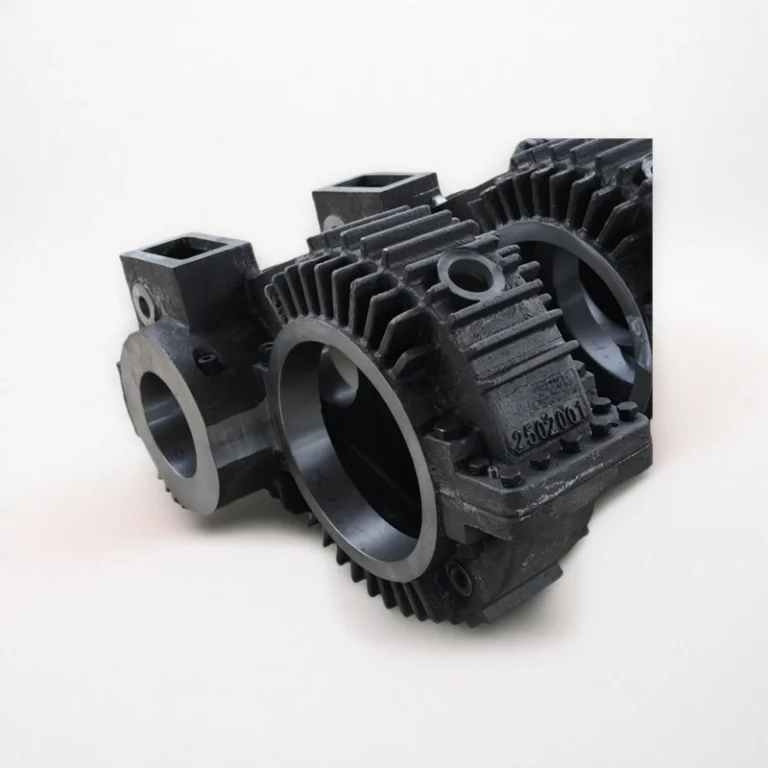
We specialize in high-reliability ductile iron castings for demanding industries including السكك الحديدية, heavy equipment, طاقة الرياح, and off-highway vehicles, مثل علبة التروس للسكك الحديدية, wind power housing, and vehicle yoke part.
Our focus is not on “occasional compliance”, but on a stable and repeatable ductile iron melting process that delivers consistent performance, heat after heat.
👉 Learn more at: شركة لويانغ فونيو للصناعات الثقيلة, المحدودة.
You can visit our website www.railwaypart.com and get more information about us.