हमसे संपर्क करने के लिए WeChat कोड को स्कैन करें
हमसे संपर्क करने के लिए WeChat कोड को स्कैन करें
बेझिझक हमें एक ईमेल भेजें और हम यथाशीघ्र आपको उत्तर देंगे.
दिल और आत्मा से भविष्य का निर्माण करें


आज की वैश्वीकृत दुनिया में, रेलवे नेटवर्क दुनिया की नसों के रूप में काम करते हैं, सभी महाद्वीपों की अर्थव्यवस्थाओं और सभ्यताओं को जोड़ना. तथापि, behind this steel network lies a set of precise and rigorous technical standards that support its safe and efficient operation. For practitioners in the railway industry, especially accessory manufacturers and suppliers, a deep understanding and adherence to different railway standards is like holding a “pass” to enter different markets. आज, we will briefly interpret the three most influential railway standard systems in the world: EN in Europe, AREMA in the Americas, and GB in China, and explore their core requirements for accessory compliance.
The European Railway Standard (में) is a technical specification system aimed at promoting the interconnection of European railways. Its core idea is “integration”, striving to break down technical barriers between countries and enable seamless cross-border operation of trains.
Characteristics of compliance requirements for accessories:
1.1 Systemic thinking: EN standards do not view any accessory in isolation. It emphasizes the compatibility and synergy of accessories within the entire railway system (TSI). A bolt must not only be strong itself but also ensure that it does not interfere with the connected rails, pads, or even the signal system. इसलिए, compliance is not just about meeting individual product standards but also proving its adaptability within the entire system.
1.2 Process and certification priority: Entering the European market, the CE marking is a mandatory requirement for many railway accessories. Behind this is a complete “modular” certification system. Manufacturers need to establish a comprehensive quality management system (such as EN 9100) and pass the review of notified bodies to prove that their products, from design, production, to testing, comply with relevant EN standards. Document records and traceability are crucial.
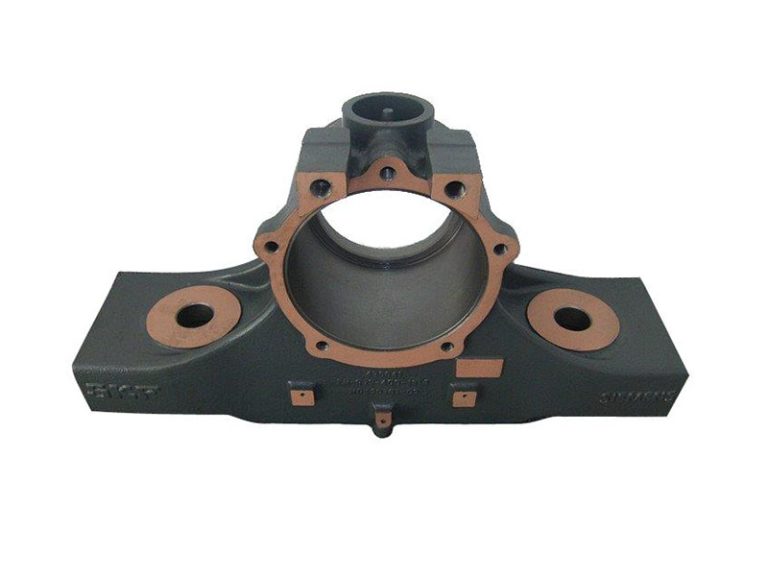
1.3 Performance orientation and safety: EN standards place great emphasis on performance indicators. उदाहरण के लिए, for a bogie accessory, it not only specifies materials and dimensions but also details requirements for fatigue strength, impact toughness, and fire resistance. Safety is given top priority, and any factor that may endanger train operation safety must be eliminated through strict risk assessment and testing.
The AREMA standard is mainly used in North America and is compiled by industry experts and practical engineers, with a strong flavor of empiricism and pragmatism. This standard is based on a century of railway operation and maintenance practices and is very “down-to-earth”.
2.1 Characteristics of compliance requirements for accessories:
Empirical and specific: The provisions of the AREMA manual are extremely detailed and specific. It gives unambiguous regulations on the material, heat treatment process, dimensional tolerances, and even inspection methods of accessories. उदाहरण के लिए, what type of steel should be used for a rail connection plate, what quenching process it should undergo, and what the allowable wear limit is, are all clearly stated. This way of regulation reduces uncertainty and makes it easy for field engineers to directly refer to and implement.
2.2 Emphasis on heavy load and durability: North American railways are renowned worldwide for heavy haul transportation. इसलिए, AREMA standards have extremely high requirements for the strength, प्रतिरोध पहन, and impact resistance of accessories. All its regulations revolve around the core goal of “ensuring long-term reliable operation under extreme loads”. Accessories must be able to withstand frequent, high-tonnage cyclic loads, and their designs tend to be robust and durable.
2.3 Emphasis on on-site maintenance and interchangeability: Due to the vast and long-standing North American railway network, AREMA standards place great emphasis on the interchangeability and ease of maintenance of accessories. There are many standard parts, and the design considers how to enable workers to quickly and safely replace and repair them in the field environment.
Integration of Innovation and Leapfrog Development. The railway section under the Chinese National Standard (जीबी) system has rapidly improved and advanced in recent years, along with the rapid development of China’s high-speed rail technology. It not only absorbs and integrates the essence of international advanced standards but also closely combines the unique operational environment and large-scale railway network construction needs of China.
3.1Characteristics of compliance requirements for accessories:
Introduction, digestion, and re-innovation: Many early railway GB standards referred to EN, यूआईसी (International Union of Railways), and other standards. तथापि, they were not simply copied but underwent extensive localization adaptations and innovations. उदाहरण के लिए, considering China’s vast geographical and climatic conditions (from the severe cold in the northeast to the humid heat in the south), more comprehensive requirements were put forward for the environmental adaptability of accessories, such as resistance to high and low temperatures, wind and sand, और संक्षारण.
3.2High standards and strict inspections: China’s high-speed rail has an extreme pursuit of safety, which is directly reflected in the strict requirements for accessories. Under the GB standard system, there is a strict “CRCC” (China Railway Product Certification Center) product certification system. Accessories must pass a series of tests far exceeding the conventional type tests, durability tests, and on-train performance evaluations to obtain access qualifications. The entire inspection process is data-rich and has extremely high thresholds.
3.3 Scale and reliability: China’s railway has a long operating mileage and high density, and has almost obsessive requirements for the batch consistency and long-term reliability of accessories. Manufacturers must have the ability to produce on a large scale with highly stable quality. Any minor quality fluctuations, when applied on a huge scale, may be magnified into systemic risks. इसलिए, the control of the production process and the consistency of finished products are the top priorities in GB compliance reviews.
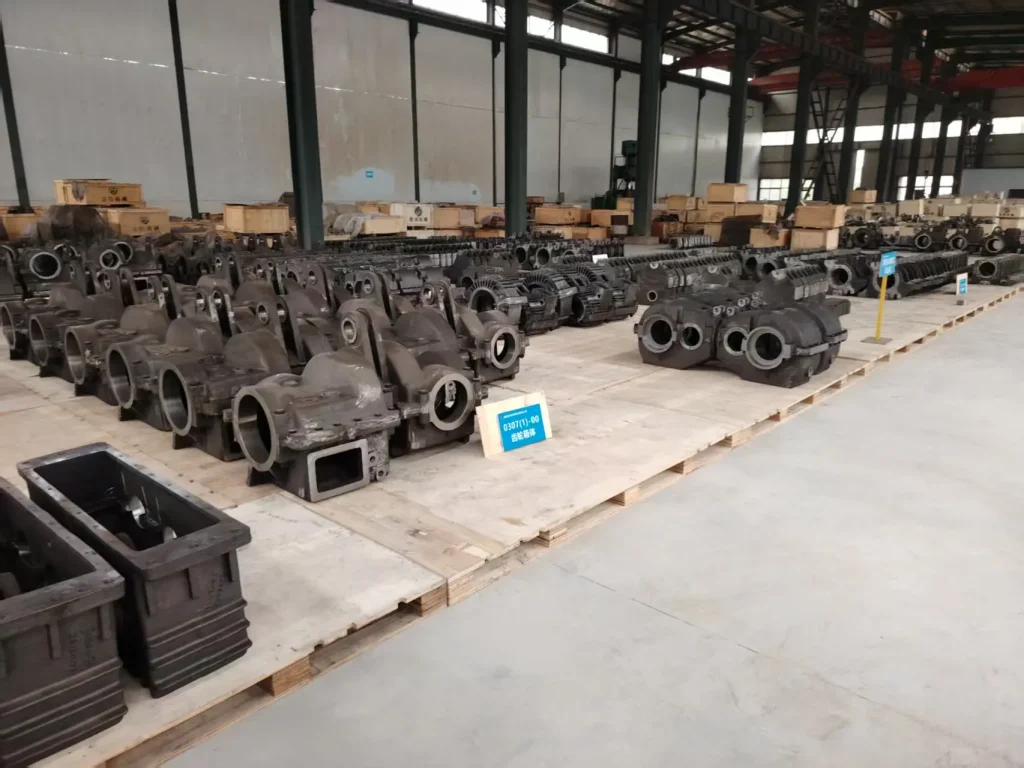
लुओयांग फ़ोन्यो हेवी इंडस्ट्रीज कंपनी, लिमिटेड,1998 में स्थापित, रेलवे कास्टिंग पार्ट्स में एक निर्माता है। हमारा कारखाना 72,600㎡ के क्षेत्र को कवर करता है, से अधिक के साथ 300 कर्मचारी, 32 तकनीशियनों, शामिल 5 वरिष्ठ इंजीनियर, 11 सहायक अभियंता, और 16 तकनीशियन। हमारी उत्पादन क्षमता है 30,000 प्रति वर्ष टन. वर्तमान में, हम मुख्य रूप से कास्टिंग का उत्पादन करते हैं, मशीनिंग, और लोकोमोटिव के लिए असेंबली, रेलकार, हाई-स्पीड ट्रेनें, खनन उपकरण,पवन ऊर्जा,वगैरह.
हम सीआरआरसी को रेलवे पार्ट्स की आपूर्ति करते हैं(से अधिक भी शामिल है 20 सीआरआरसी की शाखा कंपनियाँ और सहायक कंपनियाँ),जेमैक इंजीनियरिंग मशीनरी,Sanygroup, सिटिक हेवी इंडस्ट्रीज,वगैरह. हमारे उत्पादों को रूस को निर्यात किया गया है, संयुक्त राज्य, जर्मनी, अर्जेंटीना, जापान, फ्रांस, दक्षिण अफ़्रीका,इटली और दुनिया भर के अन्य देश.