Scannez le code WeChat pour nous contacter
Scannez le code WeChat pour nous contacter
N'hésitez pas à nous envoyer un email et nous vous répondrons dans les plus brefs délais.
Créer l'avenir avec cœur et âme


Sur le réseau ferroviaire qui sillonne, behind the speeding trains, there are countless seemingly ordinary yet crucial components. Le insulating fishplate is one of them – it is not only the “articulation” connecting the rails but also the “insulation guard” ensuring the safe operation of the railway’s electrification system. This device is specifically designed for rail joint connection, through its unique material and structural design, not only fulfills the mechanical connection function but also perfectly meeting the insulation requirements of the track circuit.
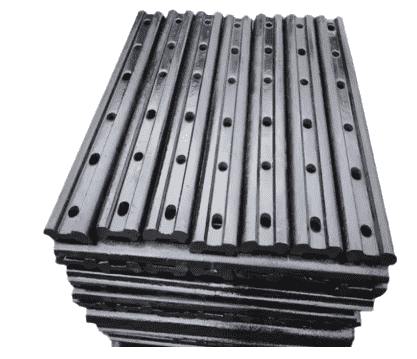
Du point de vue des performances mécaniques, insulated éclisses exhibit outstanding engineering characteristics. They need to withstand the huge impact loads and longitudinal stresses generated when trains pass through, which requires them to have extremely high tensile strength and fatigue durability. Modern insulated fishplates are mostly made of glass fiber reinforced composite materials or special engineering plastics, which not only ensure sufficient mechanical strength but also achieve lightweight design. En fonctionnement réel, they must withstand millions of cycles of loading tests, maintain stable performance within an environmental temperature range of -40°C to 70°C, and resist the erosion of oils, acids, and alkalis and other chemical substances. This all-around durability design ensures that insulated fishplates can work reliably for a long time under various harsh environmental conditions.
Insulation performance is the core value of this type of product. In electrified railways and automatic block sections, the rail is not only the running track for trains but also the medium for signal transmission. Le insulating fishplate, with its excellent insulation characteristics, prevents current leakage or signal interference between adjacent sections, ensuring the normal operation of the track circuit. Its insulation resistance usually reaches above 10^10Ω, effectively blocking stray current paths, which not only protects the accuracy of the signal system but also reduces the electrochemical corrosion of the rail. The stability of this insulation performance is crucial. Even under harsh conditions such as moisture and pollution, it must maintain a long-term effective insulation state.
From the perspective of structural design, modern insulated fishplates embody humanized engineering wisdom. The modular design makes installation and maintenance simple and efficient. The special anti-loosening structure ensures that the bolts will not loosen in a vibrating environment. The precise processing of the contact surface with the rail guarantees the smoothness of the connection, effectively reducing the impact and noise when the train passes. Some innovative designs also incorporate visual indication functions, facilitating quick checks of their working status by maintenance personnel.
Le champ d'application de insulated fishplates is very wide. On high-speed railway lines, it ensures the precise transmission of track circuits; in subway tunnels, it prevents stray currents from corroding structural reinforcing bars; on heavy-haul railways, it withstands greater mechanical stress; in special sections such as turnouts and bridges, it provides reliable insulation protection. Especially in modern railway systems, with the increase in train speed and traffic density, the performance requirements for insulated fishplates are also constantly rising.
It is worth mentioning that the technological development process of the insulated fishplate reflects the progress of railway technology. From the earliest wooden insulating parts to the later steel fishplates with insulating pads, and then to today’s integrated composite material structures, each innovation in materials and processes has promoted the improvement of railway safety levels. The most advanced insulated fishplates today even integrate monitoring sensors, which can transmit real-time data on bolt fastening status and insulation performance, providing technical support for predictive maintenance.
When choosing the appropriate insulated fishplate, multiple factors need to be comprehensively considered: line grade, transportation load, conditions environnementales, signal system requirements, etc.. Railway operation departments in different regions will formulate detailed technical specifications, including mechanical performance indicators, insulation grade requirements, fire protection standards, etc.. Correct selection and installation are of vital importance, which requires professional personnel to carry out precise calculations and construction.
Avec le développement continu de la technologie ferroviaire, insulating fishplates are also constantly being improved and innovated. The research and application of new materials, the optimization of structural design, and the integration of intelligent functions are all driving this traditional product towards higher performance, durée de vie plus longue, and greater intelligence. À l'avenir, with the wide application of Internet of Things technology in railway systems, insulating fishplates may develop into an important component of intelligent track systems.
En conclusion, although the insulating fishplate is small, it is an indispensable key component in modern railway systems. It silently safeguards the safety of railway transportation, ensures the safe travel of hundreds of millions of passengers, and witnesses the vigorous development of China’s railway industry. In today’s era of continuous progress in railway technology, this traditional product is rejuvenated and continues to provide reliable support for the safe operation of railways.
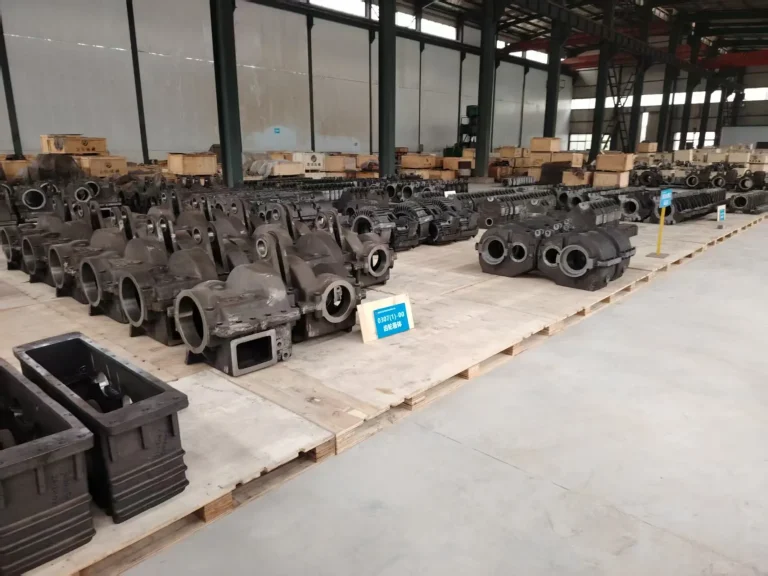
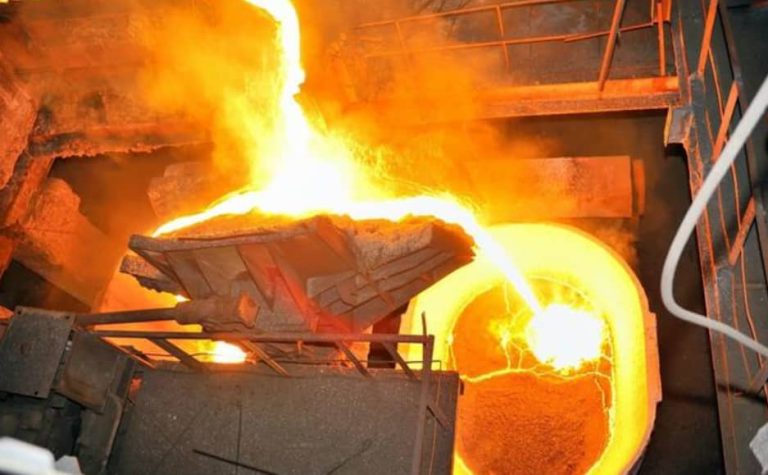
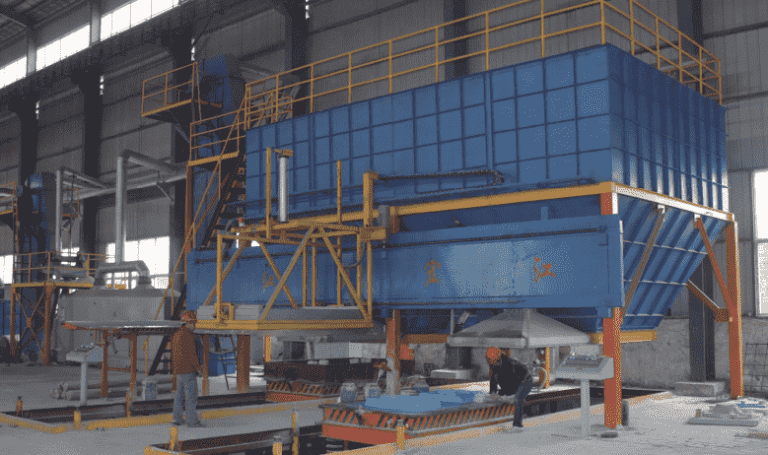
Luoyang Fonyo Heavy Industries Co., Ltée,fondée en 1998, est un fabricant de pièces moulées ferroviaires. Notre usine couvre une superficie de 72 600㎡, avec plus de 300 employés, 32 techniciens, y compris 5 ingénieurs supérieurs, 11 ingénieurs adjoints, et 16 techniciens. Notre capacité de production est 30,000 tonnes par an. Actuellement, nous produisons principalement du moulage, usinage, et montage pour locomotive,wagon,trains à grande vitesse, équipement minier,énergie éolienne,etc..
Nous sommes la fourniture de pièces ferroviaires au CRRC(dont plus de 20 succursales et filiales de CRRC),Machines d'ingénierie Gemac,Groupe Sany, Industries lourdes Citic,etc.. Nos produits ont été exportés vers la Russie, les États-Unis, Allemagne, Argentine, Japon, France, Afrique du Sud,Italie et autres pays du monde.
Coordonnées:
E-mail:[email protected]
Mobile:008615515321683