Escanea el código WeChat para contactarnos
Escanea el código WeChat para contactarnos
No dudes en enviarnos un correo electrónico y te responderemos lo antes posible.
Creando el futuro con corazón y alma
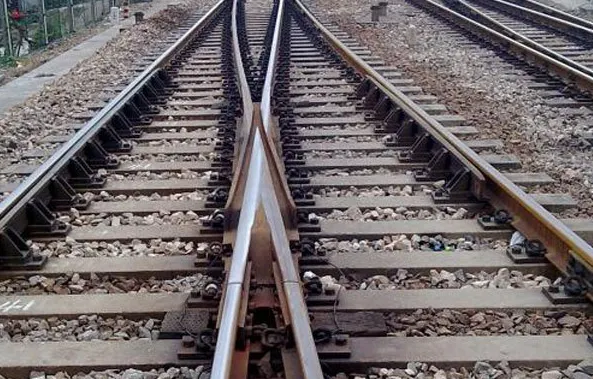
When the Novi Sad-Subotica part opened in October 2025, the Hungary-Serbia Railway became a key cross-border rail route in Central Europe. Más importante aún, this project shows how a large railway can be built fully to EU TSI railway standards.
For the railway industry worldwide, this is not only about transport. It proves that EU TSI railway standards now decide what systems, equipment, y componentes ferroviarios are needed in international rail projects.
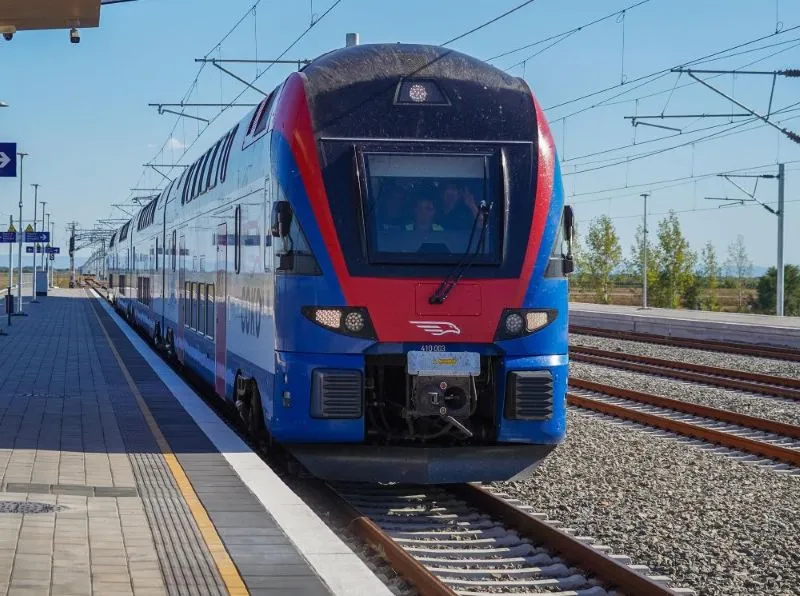
The Hungarian part needed over 2,000 approval papers to meet EU TSI railway standards. These covered traction, puentes, túneles, signaling, and speed tests.
During hot-weather tests at 160 kilómetros por hora, engineers checked the pantograph and overhead line, voltage, and system reactions. This made sure the power supply follows EU TSI railway standards.
Such tests show what the railway needs, and how every part must perform.
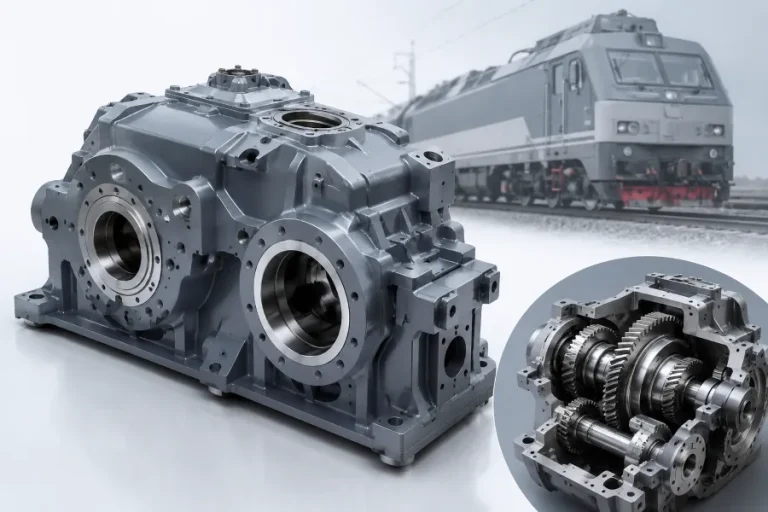
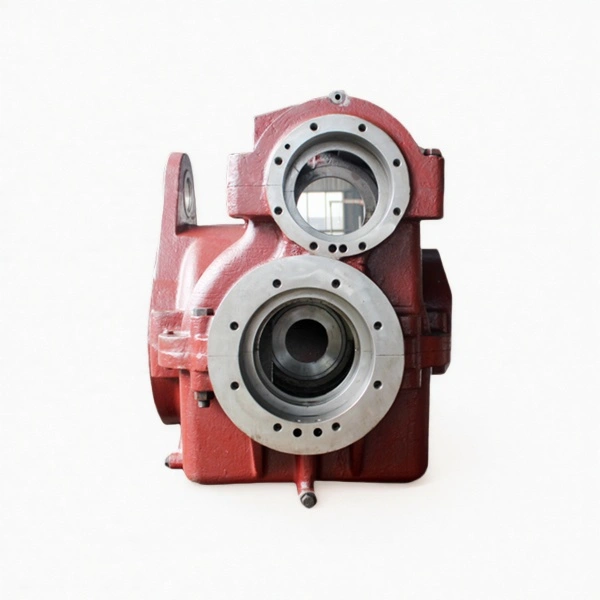
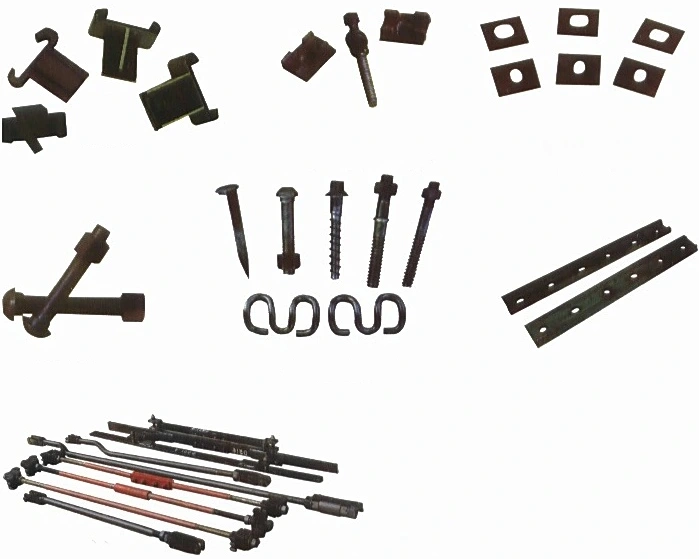
Today’s cross-border lines need wheels, piezas fundidas, ejes, and parts made to EU TSI railway standards. The rules focus on working together safely, lasting long, and being reliable.
As trains carry more and run faster, parts must handle wear, heat, and stress while still meeting EU TSI railway standards.
That’s why material choice, casting quality, machining accuracy, and checks are so important for makers.
After Serbia’s section opened, travel time between Belgrade and Subotica fell a lot. Freight efficiency rose by nearly 40%. When Hungary’s part runs, the route will improve logistics across Central Europe.
More freight and higher speeds mean stricter railway standards for the parts used every day. An old Chinese poem says, “True friends feel close even when separated by great distances.”(海内存知己,天涯若比邻)
This idea perfectly reflects the purpose of modern cross-border railways. By connecting cities, países, and standards, projects like the Hungary–Serbia Railway make distant regions feel closer through shared infrastructure and interoperability.
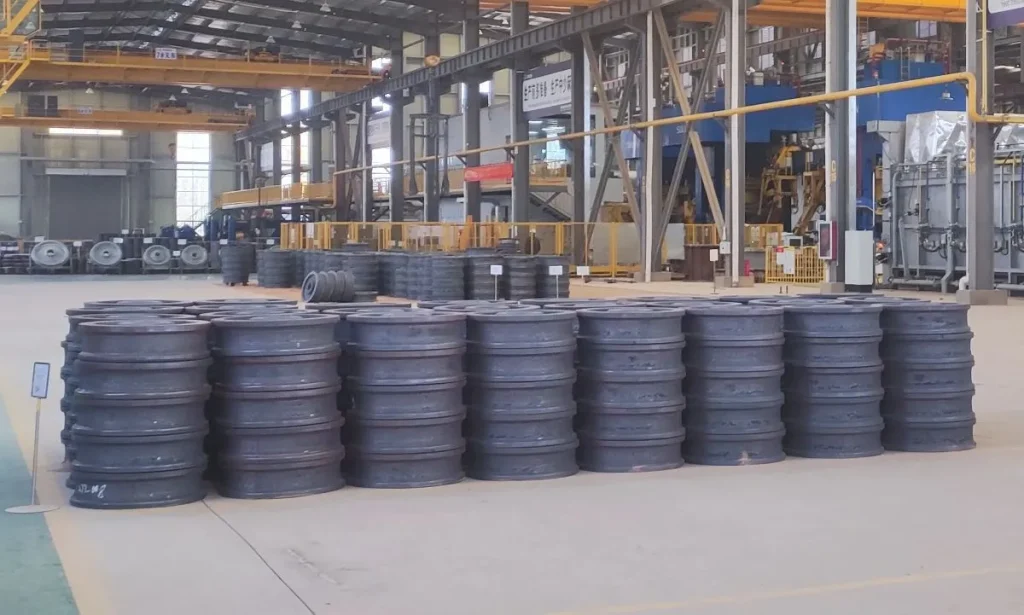
The Hungary-Serbia Railway is part of a trend: global rail projects must follow EU TSI railway standards to work across borders.
For part suppliers, this changes things. Productos are now judged not just by strength or price, but by whether they pass tests and meet EU TSI railway standards.
Industrias pesadas Co. de Luoyang Fonyo., Limitado. makes railway wheels and castings. We control every step—casting, mecanizado, and inspection—so our products meet the tough railway standards for modern international projects.
Obtenga más información en www.railwaypart.com