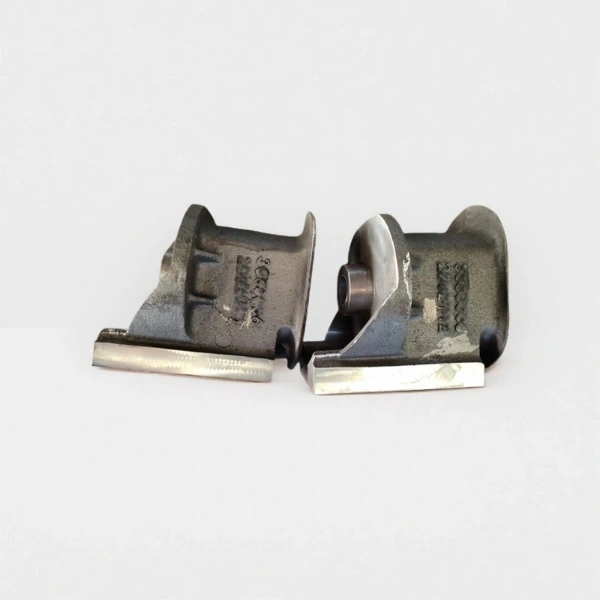
Scannen Sie den WeChat-Code, um mit uns Kontakt aufzunehmen
Scannen Sie den WeChat-Code, um mit uns Kontakt aufzunehmen
Schicken Sie uns gerne eine E-Mail und wir werden Ihnen so schnell wie möglich antworten.
Mit Herz und Seele die Zukunft gestalten


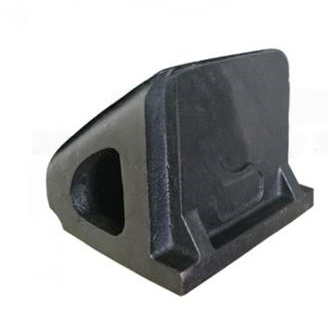
Overview of Railway Wedge
The railway wedge is one of the key components of the railway freight car bogie and plays a vital role in the operation of the vehicle. It is usually installed in the vibration reduction system of the bogie and works in conjunction with the side frame column wear plate, bolster wedge friction surface and other components to consume the vibration energy of the vehicle during operation through friction, convert the vibration and impact of the vehicle into heat energy and dissipate it, thereby effectively reducing the vibration and noise during the operation of the vehicle, improving the stability and comfort of the vehicle operation, and ensuring the safety and efficiency of railway transportation. Its design rationality and manufacturing quality directly affect the operation quality of railway freight cars and the service life of components.
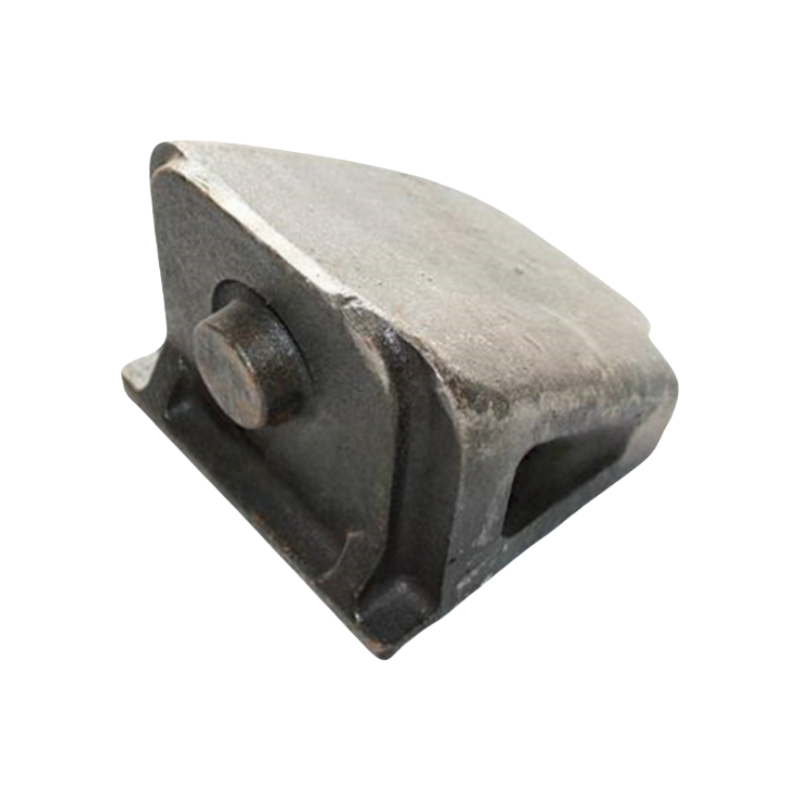
Parameter Table of Railway Wedge
| Parameterkategorie | Parameterdetails |
| Material | Allgemein, hochfest, wear-resistant alloy steel or cast iron materials are used, such as ZG230-450 cast steel or QT450-10 ductile iron, to ensure good strength and wear resistance under complex stress environments. |
| Abmessungen | Depending on the different railway freight car bogie models, the dimensions vary. Common length ranges are between 200-400mm, width between 100-250mm, and height between 80-200mm. The specific dimensions must strictly comply with the corresponding bogie design requirements. |
| Gewicht | Depending on the size and material, the weight varies, usually between 5-20kg. |
| Surface roughness | The surface roughness of the key friction surface is required to be high, generally controlled below Ra3.2μm to ensure good friction performance and matching accuracy. |
| Härte | The hardness range is usually between HRC30 – 50. The specific hardness value is determined according to the material and usage requirements to ensure sufficient wear resistance and impact resistance. |
| Tilt angle | The tilt angle of the wedge is one of the key parameters, generally between 2° – 5°. Different bogie designs have different requirements. This angle directly affects the performance of the vibration reduction system. |
Features of Railway Wedge
Function of Railway Wedge
Application of Railway Wedge
Railway wedges are widely used in all types of railway freight car bogies, including but not limited to bogies of open wagons, covered wagons, flat wagons, tank wagons and other models. In railway freight transportation, whether it is the transportation of bulk goods such as coal and ore, or the transportation of special goods such as containers and mechanical equipment, the efficient operation of railway freight cars is indispensable. As a key component to ensure the operating quality of railway freight cars, railway wedges play an important role in improving the stability of vehicle operation, reducing wheel-rail wear, and extending the service life of vehicles, providing strong support for the safety and efficiency of railway freight transportation. Gleichzeitig, with the continuous development of railway technology and the improvement of vehicle operating performance requirements, railway wedges are also constantly innovating and optimizing technology to meet the needs of different models and operating conditions.
Paket von Railway Wedge
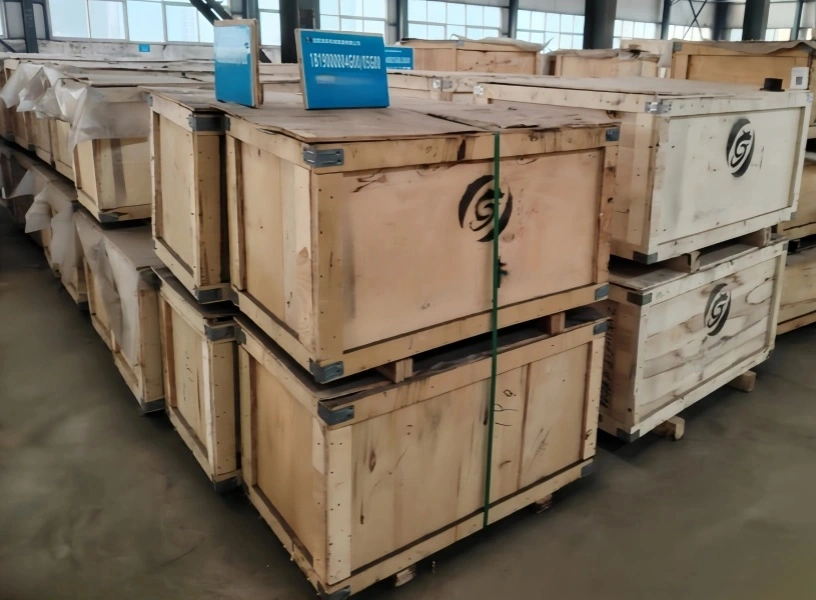
Mehrzwecktasche + Karton + Holzkiste/Palette, nach Kundenwunsch
Unternehmensprofil
Luoyang Fonyo Heavy Industries Co., Ltd. wurde gegründet 1998, umfasst eine Fläche von 72.600㎡, mit mehr als 300 Mitarbeiter, 32 Techniker, einschließlich 5 leitende Ingenieure, 11 Hilfsingenieure, Und 16 Techniker. Es wurde als Luoyang Engineering Technology Center eingestuft, Luoyang Technologie R&D-Zentrum, und nationales High-Tech-Unternehmen für viele Male.
Unsere Produktionskapazität beträgt 30,000 Tonnen pro Jahr. Momentan, Wir produzieren hauptsächlich Stahlguss, Gusseisen (Grauguss, Sphäroguss, usw.), Verarbeitung des fertigen Produkts und Komponentenmontage für Lokomotiven,Triebwagen,Hochgeschwindigkeitszüge, Bergbauausrüstung,Windkraft,usw. Unsere Produkte wurden nach Russland exportiert, die Vereinigten Staaten, Deutschland, Argentinien, Japan, Frankreich, Südafrika,Italien und andere Länder.
Häufig gestellte Fragen
Q1: Sie sind Hersteller oder Handelsunternehmen??
A: Wir sind ein Hersteller. Unser Unternehmen wurde gegründet 1998, mit fast 30 Jahren Erfahrung in der Gussindustrie, eine Gesamtfläche von 72.600㎡, mit einer Fabrikgebäudefläche von 51.000㎡.
Q2. Was sind Ihre Hauptprodukte??
A: Unser Hauptaugenmerk liegt auf dem Stahlguss, Eisenguss, Bearbeitung des fertigen Produkts, und Komponentenmontageproduktion für Lokomotiven, Triebwagen, Hochgeschwindigkeitszüge, Bergbauausrüstung, Windkraft,usw.
Q3: Wie präzise können Sie Gussteile herstellen??
A: Wir sind in der Lage, Gussteile mit unterschiedlichen Gussverfahren herzustellen. Die Produktion erfolgt strikt nach ISO 9001, ISO 14001 und ISO45001, EN15085, IRIS.
Q4. Können Sie nach den Mustern produzieren??
Ja, Wir können nach Ihren Mustern oder technischen Zeichnungen produzieren. Wir können auch Zeichnungen für Sie erstellen, nachdem wir Ihre Muster erhalten haben.
F5: Wie führen Sie eine Qualitätskontrolle vor der Lieferung durch??
A: Die Qualitätsprüfung ist ein sehr wichtiger Faktor zur Gewährleistung der Qualität von Stahlgussteilen. Wir folgen 3 Kontrollzeiten während des gesamten Produktionsprozesses. Und wir stellen einen Materialtestbericht zur Verfügung, Maßprüfbericht, und Bericht über die Prüfung der mechanischen Eigenschaften an unsere Kunden vor der Lieferung.
Wenn Sie an Produkten interessiert sind,Nehmen Sie gerne Kontakt mit uns auf.
Kontakt: Stella Liu
E-Mail:[email protected]