Scan WeChat-koden for at kontakte os
Scan WeChat-koden for at kontakte os
Du er velkommen til at sende os en e-mail, og vi vil svare dig hurtigst muligt.
At skabe fremtiden med hjerte og sjæl


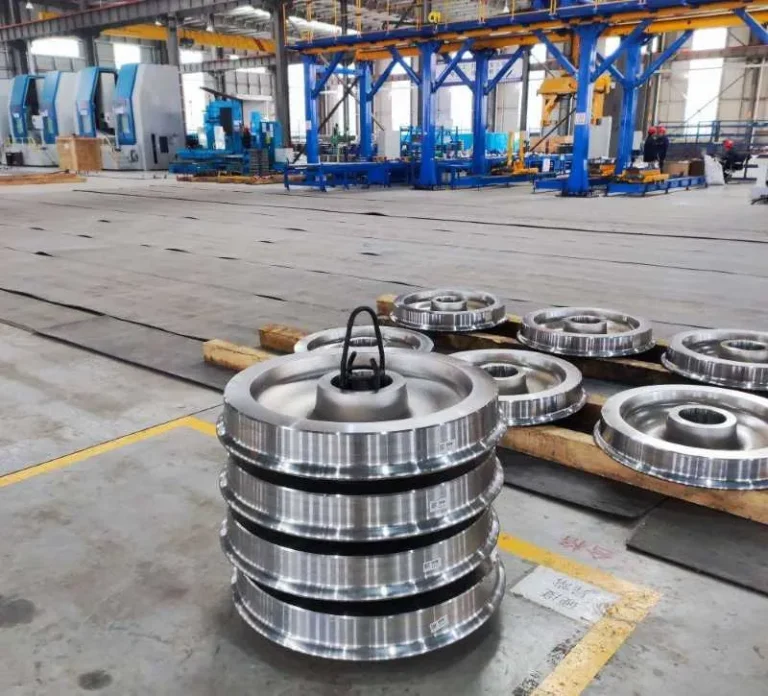
Railway transportation continues to expand globally as governments invest in sustainable and efficient transport infrastructure. High-speed rail networks, urban transit systems, and freight corridors are being developed or upgraded in many regions. Behind these projects is a large and complex supply chain of railway components, inklusive jernbanehjul, bogie structures, cast steel parts, and precision machined components.
For manufacturers and procurement teams, understanding how the railway components market is evolving helps identify long-term supply opportunities and potential challenges.
This article reviews several key trends that may shape the railway components industry in 2026.
Railway infrastructure investment remains the primary driver of demand for railway components.
Several trends are supporting this demand:
Large infrastructure programs typically require a wide range of heavy railway components such as bogie frames, axle housings, wheelsets, braking system parts, og strukturelle støbegods.
Because these components operate under heavy load and vibration, long-term reliability is a key consideration for railway equipment manufacturers.
While new railway construction receives much attention, a significant portion of the railway components market comes from maintenance and replacement demand.
Jernbanehjul, braking components, and structural parts experience gradual wear during operation and must be inspected and replaced periodically.
This creates a stable long-term market for:
For suppliers, the aftermarket and maintenance supply chain often provides more consistent demand than large project orders.

As train speeds increase and operating conditions become more demanding, the tolerance requirements for many railway components have become stricter.
This is particularly true for:
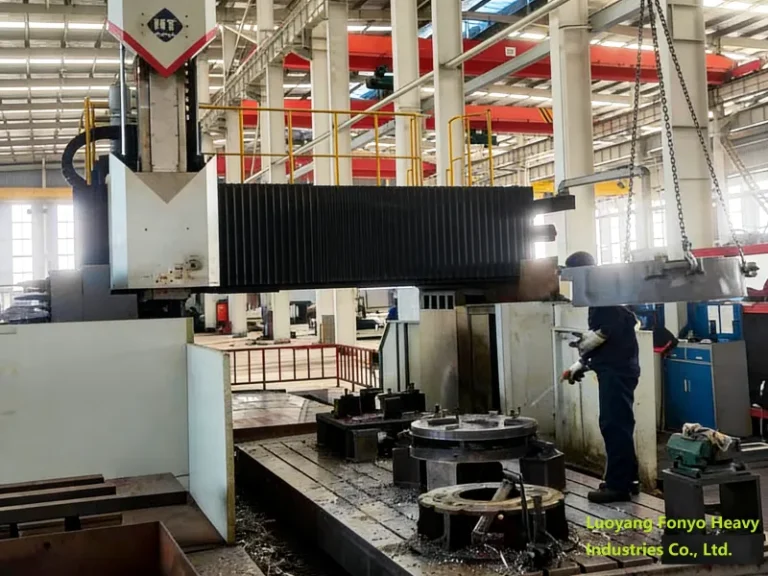
Manufacturers increasingly rely on large CNC machining equipment to maintain dimensional consistency for heavy components.
Precision machining improves:

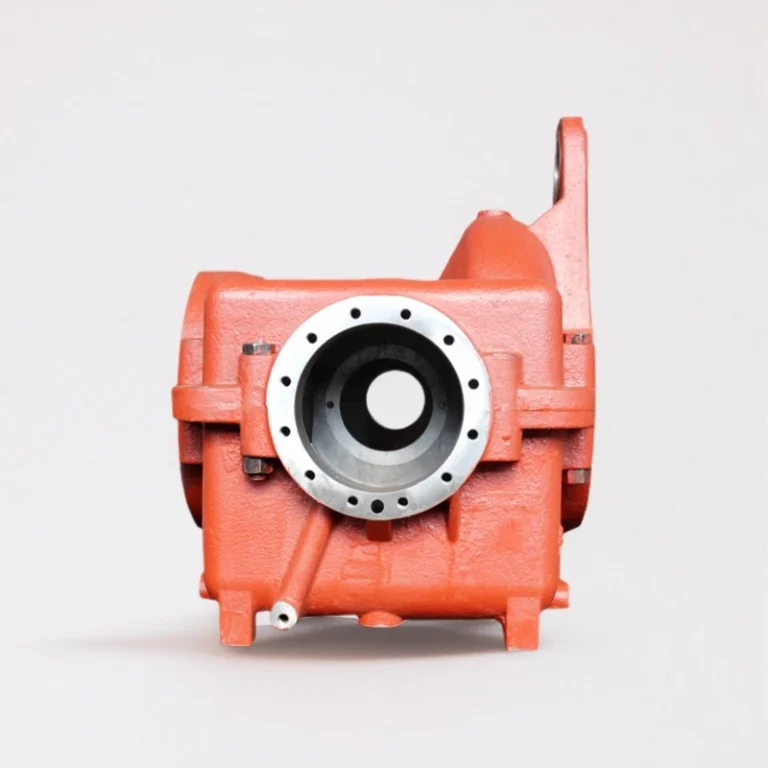
Steel castings remain widely used in railway vehicles because of their strength and structural reliability.
Common cast steel railway components include:
Depending on component size and performance requirements, manufacturers may use different casting processes such as resin sand casting, coated sand casting, or lost foam casting.
These processes allow complex geometries to be produced while maintaining the mechanical properties required for railway applications.
Over the past few years, railway equipment manufacturers have been gradually expanding their supplier networks.
Procurement teams are increasingly interested in suppliers that can provide:
For many buyers, reliability of supply has become just as important as cost.
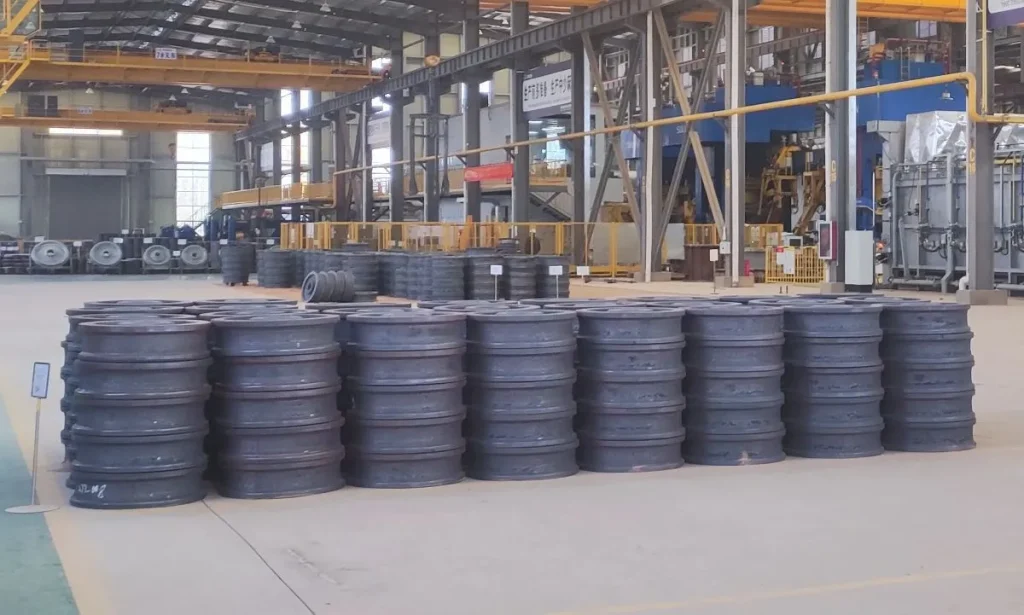
The railway components industry is expected to remain stable as global rail infrastructure continues to expand and existing systems require ongoing maintenance.
For component manufacturers, the market is less about rapid growth and more about long-term reliability, manufacturing capability, and supply stability.
Companies that combine solid casting expertise, precision machining capability, and consistent quality control will remain important partners in the railway supply chain.
Luoyang Fonyo Heavy Industry Co., Ltd. manufactures railway components including jernbanestøbninger, jernbanehjul, and precision machined structural parts used in rail vehicles and railway equipment.
With experience in large steel casting processes and heavy machining, the company supplies components for railway equipment manufacturers and industrial customers.
More information:www.railwaypart.com