قم بمسح رمز WeChat للاتصال بنا
قم بمسح رمز WeChat للاتصال بنا
لا تتردد في مراسلتنا عبر البريد الإلكتروني وسوف نقوم بالرد عليك في أقرب وقت ممكن.
صنع المستقبل بالقلب والروح


In the global railway industry, عجلة السكك الحديدية المعايير play a critical role in ensuring safety, compatibility, والأداء على المدى الطويل. Railway wheels operate under extreme loads, harsh climates, and demanding braking conditions. Because of these challenges, different regions have developed specific معايير عجلة السكك الحديدية مثل إن 13262, آر إم-107, السل / ت 2817, and GOST 10791.
For railway procurement managers, rolling stock manufacturers, and engineering teams, understanding these عجلة السكك الحديدية المعايير is essential when selecting the correct wheel design and material grade for a project.
This guide explains the most important railway wheel standards used worldwide, their key material grades, and how they apply to different railway applications.
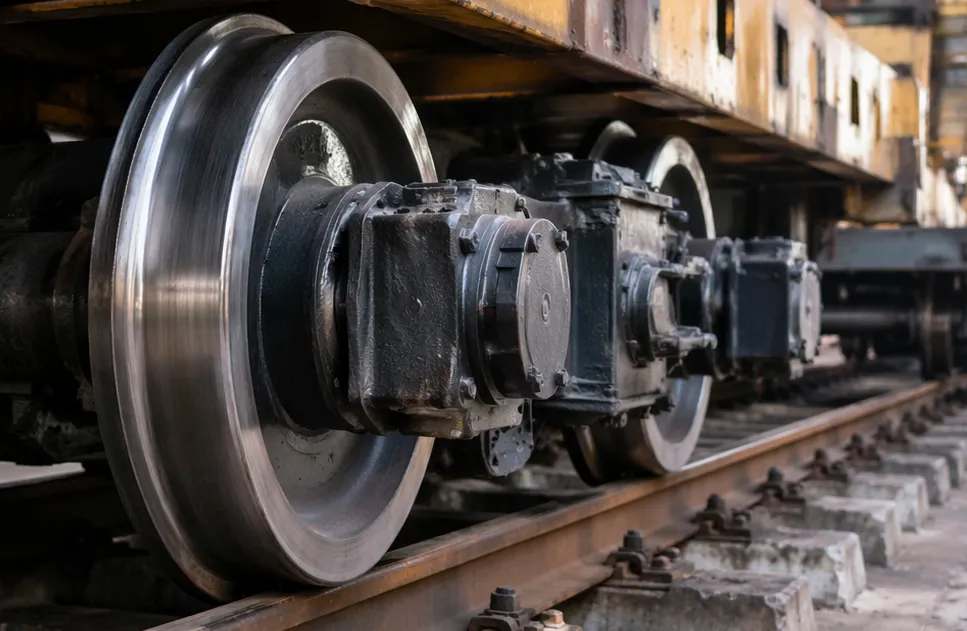
Railway wheels form the only contact interface between the train and the rail. Every ton of axle load, قوة الكبح, and lateral movement is transmitted through this small contact patch.
Because operating environments vary widely around the world, different معايير عجلة السكك الحديدية have been developed to address specific conditions such as:
Axle Load Requirements
Heavy-haul freight railways in North America, أستراليا, and Africa often operate with very high axle loads. These networks require معايير عجلة السكك الحديدية designed for durability and wear resistance.
Passenger rail and high-speed networks in Europe and Asia prioritize fatigue strength, ride stability, and precise geometry.
Climate Conditions
Climate also influences معايير عجلة السكك الحديدية.
على سبيل المثال:
Braking Systems
Another factor affecting معايير عجلة السكك الحديدية is braking design.
Some railways use tread braking, where brake blocks press directly on the wheel tread and generate significant heat. Others use disc braking, which reduces thermal stress on the wheel.
These differences directly affect wheel material grades and heat treatment requirements.
Understanding global معايير عجلة السكك الحديدية helps engineers and buyers ensure compatibility with local rail infrastructure and vehicle designs.
Below are the most widely used معايير عجلة السكك الحديدية in international railway projects.
ال في 13262 railway wheel standard is the primary specification used across European railway networks. Many modern metro systems and passenger rail projects worldwide also adopt EN standards.
Key characteristics of the في 13262 railway wheel standard include:
Common material grades include:
These grades are widely used for:
Because of its strict manufacturing requirements, ال في 13262 railway wheel standard is often considered a benchmark for high-quality forged railway wheels.
ال AAR M-107 railway wheel standard is widely used in North America and in heavy-haul railway systems worldwide.
It was developed by the رابطة السكك الحديدية الأمريكية to support freight networks that operate under extremely heavy loads.
Typical features of the AAR railway wheel standard include:
Common AAR material grades include:
Class C wheels typically feature rim heat treatment to increase hardness and improve durability in heavy-haul freight service.
Railways in countries such as Australia, البرازيل, and parts of Africa frequently adopt the AAR railway wheel standard.
ال السل / ت 2817 railway wheel standard is the main specification used for railway wheels in China.
Due to the global expansion of Chinese railway construction and infrastructure projects, هذا railway wheel standard has also been widely adopted internationally.
Key grades include:
These materials provide a balance between:
Because of its versatility, ال السل / ت 2817 railway wheel standard is commonly used for both freight and passenger railway vehicles in developing railway networks.
In addition to the major international specifications, several regional معايير عجلة السكك الحديدية are also widely used.
ال IRS R-34 specification is commonly used in India and parts of South Asia.
It defines specific requirements for:
Many railway projects in countries such as Myanmar and Bangladesh follow this railway wheel standard.
ال غوست 10791 railway wheel standard is widely used in Russia and other CIS countries.
This specification focuses on maintaining structural reliability in extremely cold climates. Wheels manufactured under the GOST railway wheel standard must maintain mechanical performance at temperatures as low as -50درجة مئوية.
ال فقط إي 5402 railway wheel standard is used in Japan and in some high-quality passenger rolling stock projects across Asia.
هذا railway wheel standard is known for:
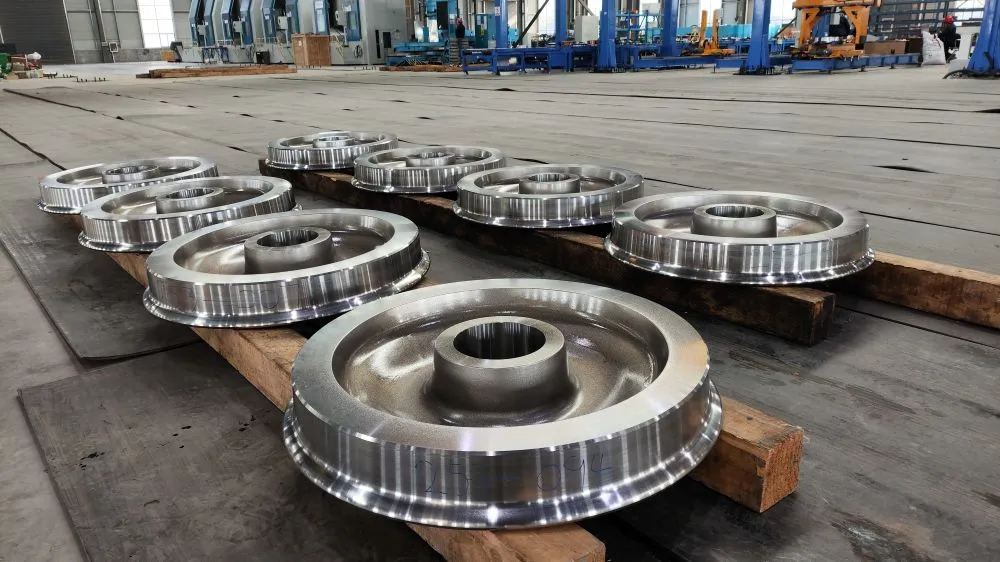
Different معايير عجلة السكك الحديدية specify different material grades depending on the operating environment.
Below is a simplified comparison of common forged railway wheel materials.
| Material Grade | معيار | Typical Application | Key Advantage |
| ER7 / ER8 | في 13262 | راكب / السكك الحديدية عالية السرعة | مقاومة التعب العالية |
| CL60 / CL65 | السل / ت 2817 | Freight and general railway | Cost efficiency and wear resistance |
| Class C | آر إم-107 | الشحن الثقيل | استقرار حراري ممتاز |
| SSW-Q2S | فقط إي 5402 | مدربي الركاب | Precision geometry |
Understanding these material differences is essential when selecting the correct railway wheel standard for a project.
Regardless of the railway wheel standard used, modern forged railway wheels must undergo strict تصنيع وإجراءات التفتيش.
Typical production processes include:
Precision Forging and Rolling
Forging and rolling ensure the steel grain structure is dense and uniform, improving fatigue resistance and structural strength.
Rim Heat Treatment
Rim quenching is used to achieve the required hardness depth defined by many معايير عجلة السكك الحديدية, particularly in heavy-haul applications.
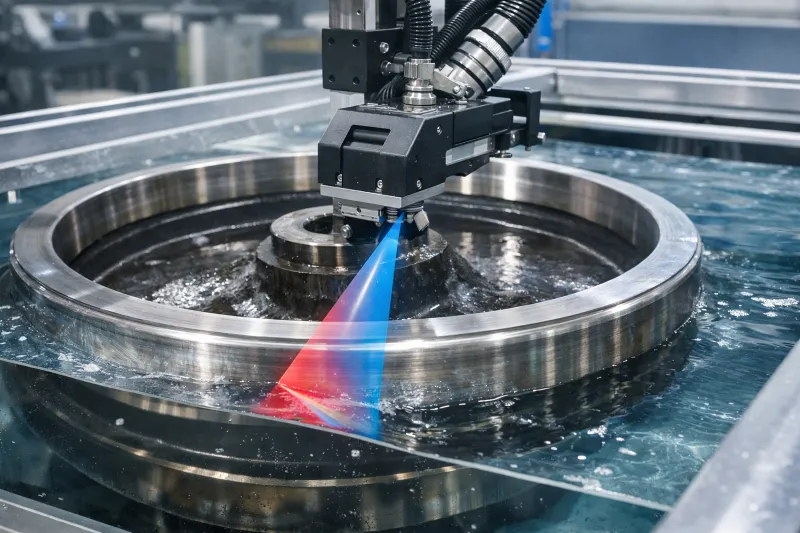
اختبار غير مدمر (NDT)
Most international معايير عجلة السكك الحديدية require non-destructive inspection such as:
These inspections help detect internal cracks, الادراج, or structural defects before the wheel enters service.
Selecting the correct railway wheel standards is essential for ensuring safety, متانة, والأداء على المدى الطويل. Whether your project follows EN 13262, آر إم-107, السل / ت 2817, مصلحة الضرائب, or GOST railway wheel standards, engineering expertise plays a key role in achieving reliable results.
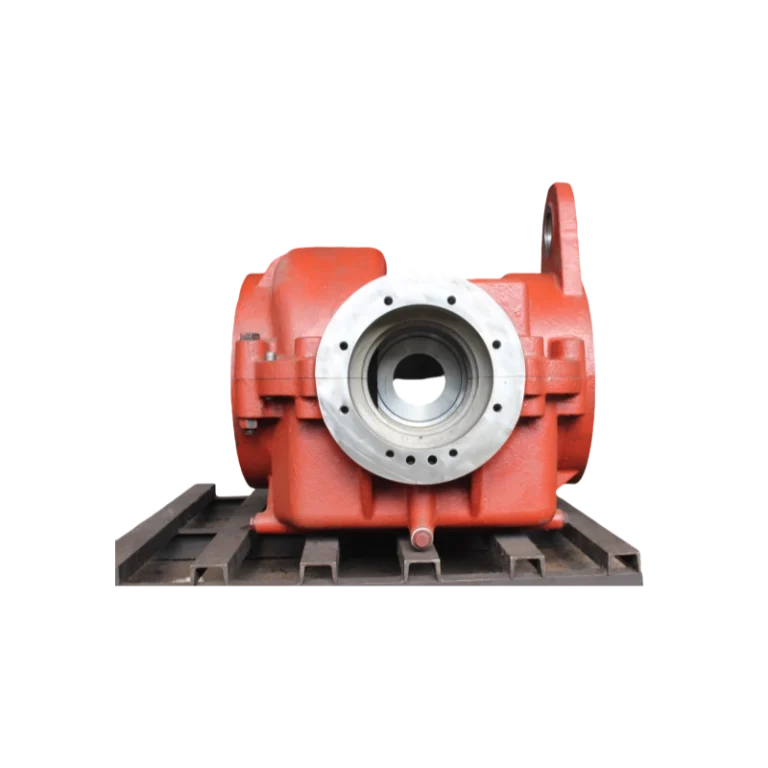
في شركة لويانغ فونيو للصناعات الثقيلة, المحدودة., we specialize in manufacturing forged railway wheels that comply with major international railway wheel standards. We also supply related railway components including axle box housings, gearbox casings, and bogie parts for global rolling stock manufacturers.
If you are sourcing railway wheels or evaluating technical specifications for your project, our engineering team can help you select the right railway wheel standards and material grades.
يرجى زيارة موقعنا على الانترنت www.railwaypart.com to learn more about us.
Contact our engineering team for technical support and quotation.
The most widely used معايير عجلة السكك الحديدية include EN 13262 (أوروبا), آر إم-107 (أمريكا الشمالية), السل / ت 2817 (الصين), IRS standards (الهند), and GOST standards used in Russia and CIS countries.
ال في 13262 railway wheel standard focuses on fatigue resistance and precise manufacturing for passenger and high-speed trains.
ال AAR railway wheel standard focuses on wear resistance and thermal stability for heavy-haul freight operations.
Common materials defined in معايير عجلة السكك الحديدية include ER7, ER8, ER9 (في 13262), Class B and Class C (آر إم-107), and CL60 / CL65 (السل / ت 2817).
Railway wheel standards ensure safety, compatibility, and performance across different railway networks. They define the material properties, عمليات المعالجة الحرارية, testing methods, and dimensional requirements for railway wheels.