Digitalize o código WeChat para entrar em contato conosco
Digitalize o código WeChat para entrar em contato conosco
Sinta-se à vontade para nos enviar um e-mail e responderemos o mais breve possível.
Criando o futuro com coração e alma


Visão geral do desenvolvimento de areia de resina furânica autoendurecível A resina furânica foi usada pela primeira vez como aglutinante para peças fundidas nos Estados Unidos em 1958. Naquela hora, it was used as a hot core box binder. It was studied as a self-hardening casting mold in the United Kingdom from 1963 para 1971. Durante este período, solid practical research was conducted from basic research to the production of large castings. Como resultado, it was reported that a small amount of binder can achieve high strength, good mold collapse, high casting dimensional accuracy, and improved production efficiency. A series of advantages have been reported. This laid the foundation for today’s development.
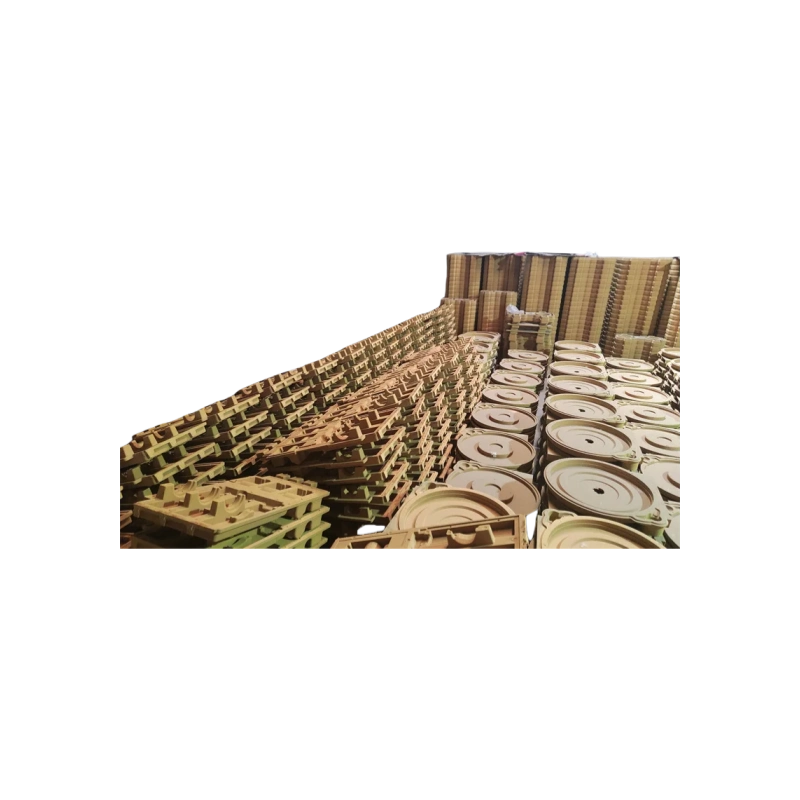
In Europe and the United States, the 1970s and 1980s were a period of rapid development of self-hardening furan sand. In Japan, the use of self-hardening furan sand for the production of general castings began in 1973. About ten years later, more than half of the production of medium and large castings in small batches of various varieties in Japan has transitioned to the use of self-hardening furan casting molds. This development trend is still in the ascendant. Although more types of other organic self-hardening castings have been developed, self-hardening furan resin sand still occupies the first place.
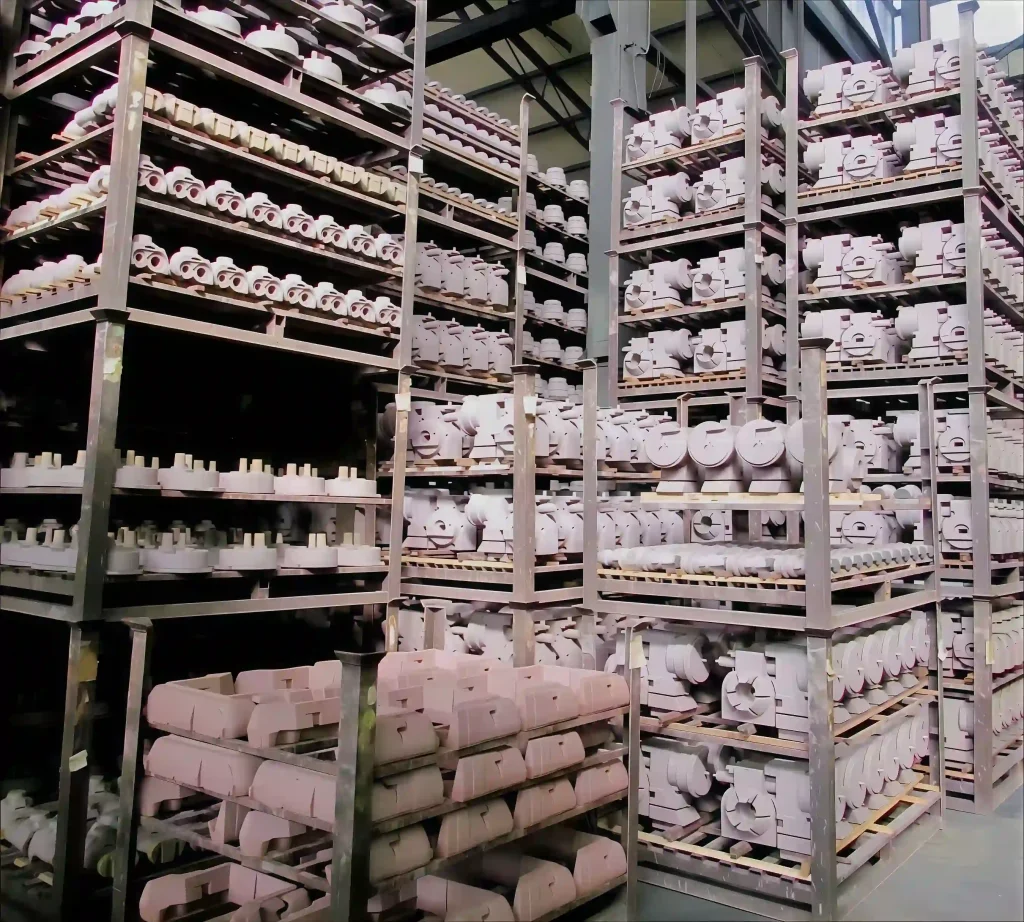
Na China, self-hardening resin sand was studied in the 1970s, but it was limited to individual manufacturers and research institutions for experiments. Since the early 1980s, especially after 1982, with the implementation of the reform and opening-up policy, the number of factories in China cooperating with foreign countries has increased. Many foreign manufacturers in cooperating production have put forward the requirement of using self-hardening resin sand in casting production, otherwise they will not cooperate. For China, which mainly exports products, the requirements for casting quality are getting higher and higher. Portanto, under this new situation of social production development, driven by the foreign resin sand fever, the majority of Chinese foundry workers are forced to realize that the application of self-hardening resin sand is a revolution in molding technology, an important way to improve the quality of castings and mechanical products, and the only way to revitalize the foundry industry and change its appearance, and it is the basic guarantee for mechanical products to enter the international market.
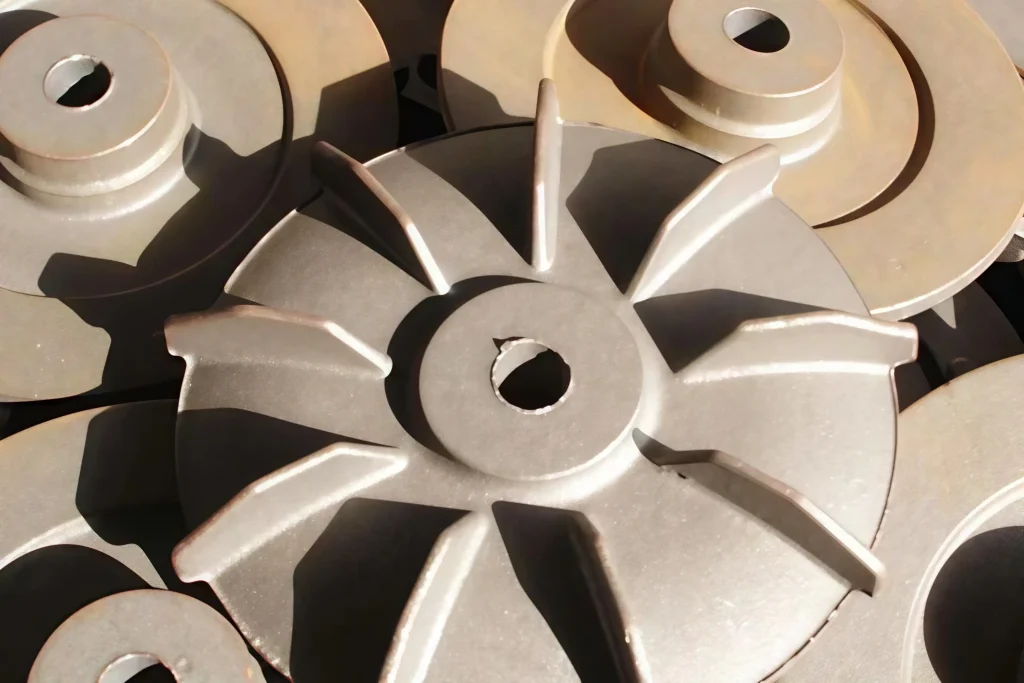
Portanto, in the 1980s, “resin sand fever” formed on the Chinese foundry production front. Since self-hardening resin sand is most suitable for the production of medium and large castings of multiple varieties and small batches, the machine tool industry, water pump industry, valve industry, shipbuilding, petrochemical industry and other industries are at the forefront of the promotion and application of resin sand. So far, according to incomplete statistics, China has introduced no less than 50 resin sand processing production lines, and three major foundry machinery factories in China (Chongqing, Baoding, Luohe) have officially produced complete sets of resin sand equipment. Além disso, manufacturers of raw and auxiliary materials are spread across various provinces, and the quality of raw and auxiliary materials has improved rapidly, and some have approached or reached the level of similar foreign products. Facts show that using resin sand technology to replace clay baking sand to produce a variety of small batches of medium and large castings is one of the future development directions of China’s foundry industry.