Scan the WeChat code to contact us
Scan the WeChat code to contact us
Feel free to send us a massage and we will reply to you as soon as possible.
Creating the future with heart and soul


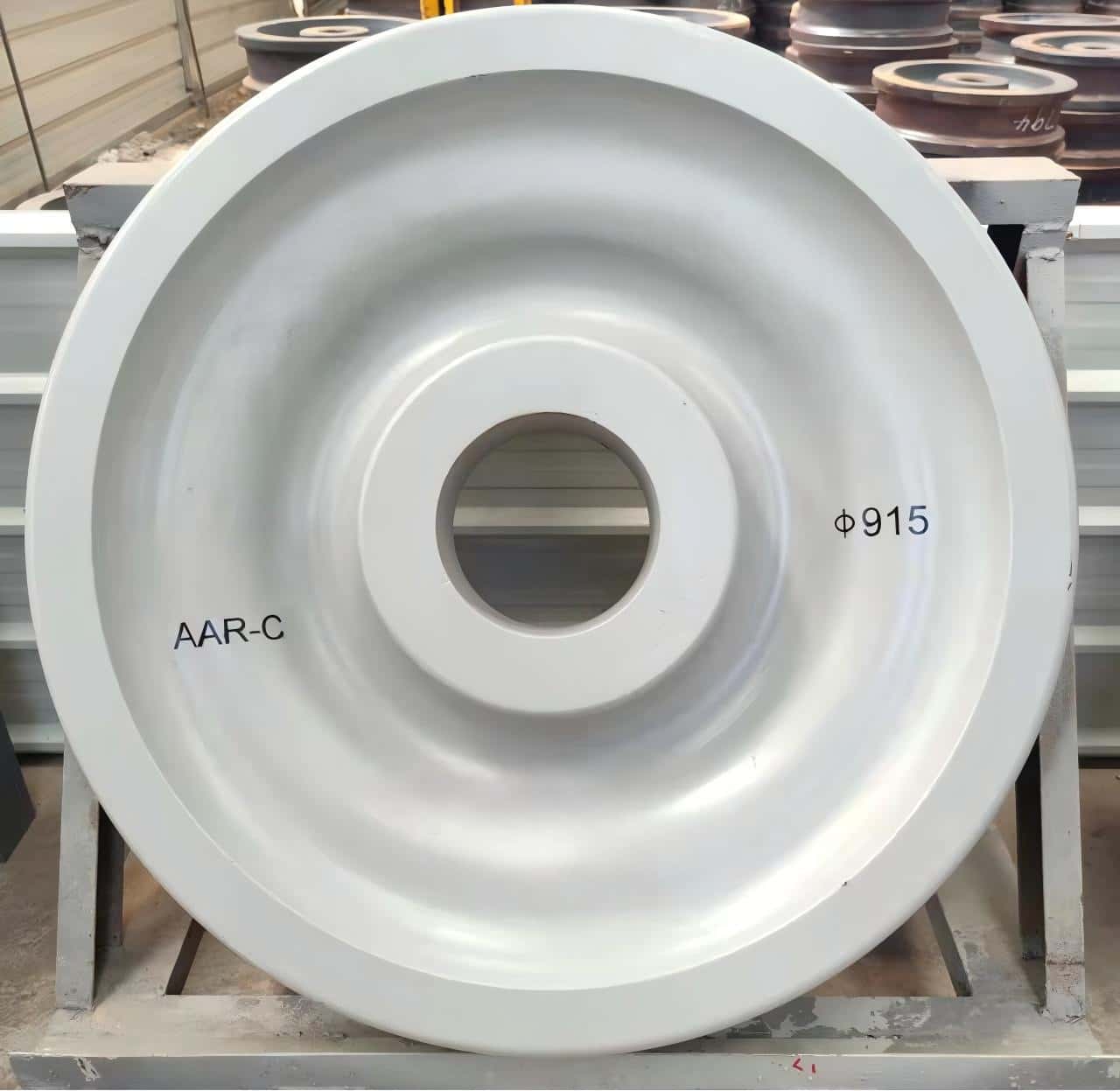

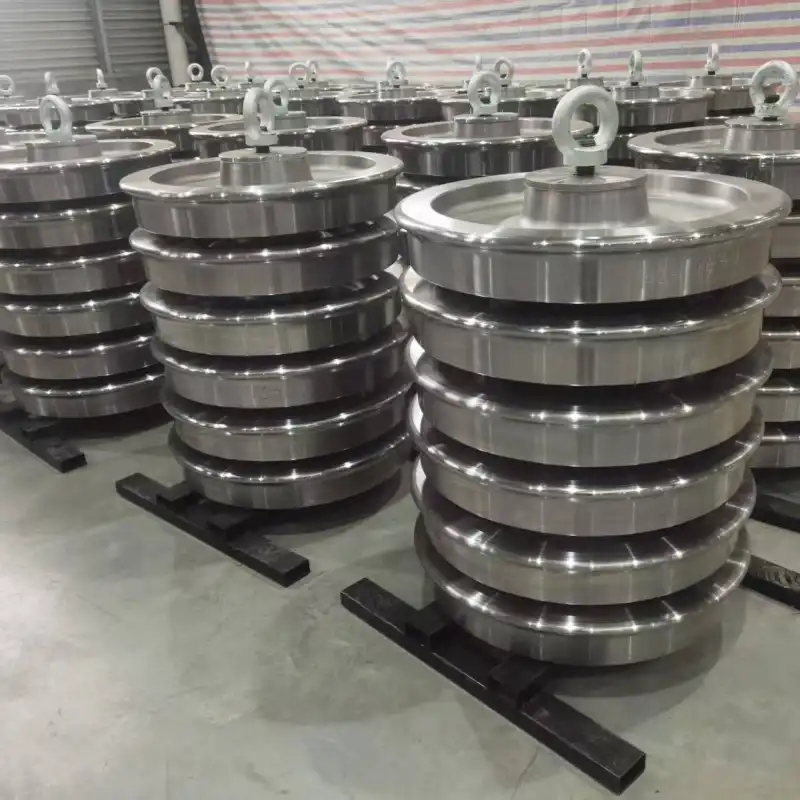
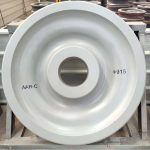

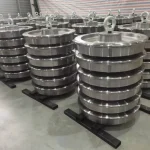
Our railway wheels cover diameters from Φ500 to Φ1350 mm and are widely used in locomotives, passenger coaches, high-speed EMUs, heavy-haul wagons, and industrial and mining vehicles. Each wheel is designed for strength, stability, and wear resistance, and we also support customized production based on different international standards and operating conditions. Because all manufacturing steps are completed on our own production lines, we can maintain stable quality from raw material inspection to final delivery.
We use high-strength and low-impurity steel specially developed for railway wheels. This material offers good hardenability, excellent fatigue resistance, and reliable performance under high speed and heavy load. When the raw materials arrive, they undergo strict chemical analysis and visual inspection to ensure the purity, consistency, and mechanical properties meet the requirements of railway applications. With such stable material quality, each railway wheel gains a strong foundation for forging, heat treatment, and machining.
3.1 Forging and Rolling
The forming of railway wheels begins with large-tonnage presses. A 3150-ton preforming press and an 8000-ton forming press shape the wheel with high stability, while a vertical rolling mill further adjusts the geometry. Throughout rolling, dimensional accuracy is controlled within ±0.5 mm. Moreover, a high-temperature 3D laser measuring system monitors the wheel profile at around 1150°C, which helps us maintain high consistency in geometry. With a material utilization rate above 70%, the forging and rolling stage provides dense structure and reliable quality for every railway wheel.
3.2 Heat Treatment
After forging and rolling, the wheels move directly into the heat-treatment area to make full use of residual heat and reduce energy consumption. The system includes an automatic quenching furnace, quenching table, and tempering furnace, with temperature control kept within ±10°C. The quenching table supports multiple cooling modes with excellent consistency, and it prevents cooling water from entering the web area. As a result, the hardness deviation of each batch is controlled within 20 HB, allowing the railway wheels to achieve balanced strength, toughness, and wear resistance.
3.3 Precision Machining
Once heat treatment is complete, the railway wheels are processed on dedicated CNC machines. Our OM high-precision machines and WT1600A vertical lathes handle the rough and finish machining of key areas such as the tread, flange, and web. Automatic scanning, dual-station positioning, and polishing equipment help ensure stable dimensional accuracy and surface quality. With mature machining practices, we can meet the strict technical requirements of both domestic and international railway standards.
Each step in the manufacturing of railway wheels is supported by strict quality control. During forging, hot-state laser inspection verifies the profile. During heat treatment, temperature and cooling data are recorded in real time. In machining, online hardness testing, automated dimensional checks, and surface inspection ensure stable accuracy. Final inspection includes ultrasonic testing, magnetic particle testing, and static balance checking, making sure the wheels are free from cracks or internal defects.
Our laboratory is equipped with spectrometers, metallographic microscopes, hardness testers, impact testers, fatigue testing machines, and universal testing machines. These allow us to perform full material and mechanical tests according to international railway standards. Every wheel also carries a unique hot-stamped ID from the forging stage, ensuring complete traceability throughout its life cycle.
We supply many types of railway wheels, including wheels for locomotives, passenger coaches, high-speed trains, and heavy-haul wagons. We also produce wheels for export markets, gearbox wheels, gear wheels, and wheels for mining and industrial applications. For special operating conditions, we can develop customized solutions to ensure that each railway wheel matches the customer’s performance needs.
Our production line integrates forging, heat treatment, machining, and testing into one smooth and efficient process. The high level of automation helps us maintain accuracy, consistency, and stable mechanical properties. With complete digital tracking and clear quality records, we offer reliable delivery and long-term performance for every railway wheel.
| No. | Specification | Material | Standard | Customer | End User Country | Application |
| 1 | D970 | IRS R-34-15 | IRS R-34-15 | Myanmar Railways | Myanmar | Locomotive |
| 2 | D724Y/D724YD | SSW-Q2S | JIS E 5402 | Myanmar Railways | Myanmar | Wagon |
| 3 | SD840 | CL65 | TB/T 2817 | CRRC Shandong | Nigeria | Wagon |
| 4 | MS782 | CL60 | TB/T 2817 | CRRC Meishan | Vietnam | Wagon |
| 5 | HD840A | CL60 | TB/T 2817 | Hubei Weinegda | China | Wagon |
| 6 | D920A/D920A1 | ER7 | TB/T 2817 | CRRC Tianli Forging | China | Exhibition Wagon |
| 7 | D650A | CL60 | TB/T 2817 | Tongling Tieke | China | Wagon |
| 8 | HDSA | CL65 | TB/T 2817 | CRRC Shandong | China | Metro Special Vehicle |
| 9 | D970 | IRS R-34-15 | IRS R-34-15 | Myanmar Railways | Myanmar | Locomotive |
| 10 | MM750 | SSW-Q2S | JIS E 5402 | Myanmar Railways | Myanmar | Passenger Coach |
| 11 | TR840A | ER9 | EN 13262 | ACARLAR (Turkey) | Turkey | Metro |
| 12 | ZJ5840 | CL60 | TB/T 2817 | Zhengzhou Research Institute of Mechanical Engineering | China | Wagon |
| 13 | RU957 | 2 | GOST 10791 | Jiangsu Wangyuan Pump Industry | Russia | Wagon |
| 14 | SD840A | CL65 | TB/T 2817 | CRRC Shandong | Mozambique | / |
| 15 | SD840B | ER7 | EN 13262 | CRRC Shandong | Burkina Faso | / |
| 16 | SG850 | / | / | Precision Technology | Singapore | / |
Q1: What types of railway wheels do you manufacture?
A1: We produce a variety of railway locomotive wheels, including forged wheels for freight and passenger locomotives. Our wheels meet international standards for safety, durability, and performance.
Q2: What materials are used in your railway wheels?
A2: Our wheels are made from high-quality alloy steels, selected for excellent strength, wear resistance, and fatigue performance. Specific steel grades can be provided according to client requirements.
Q3: How are your railway wheels manufactured?
A3: Our wheels are forged, heat-treated, and precisely machined to ensure optimal performance. The tread and flange undergo selective quenching to provide wear resistance, while the hub remains tough to resist cracking.
Q4: What quality inspections are performed on the wheels?
A4: We conduct comprehensive inspections, including ultrasonic testing, magnetic particle testing, and dimensional checks, to ensure each wheel meets strict quality standards.
Q5: Can you produce custom railway wheels?
A5: Yes, we can manufacture custom wheels based on specific dimensions, load capacities, and material requirements. Our engineering team works closely with clients to meet project needs.
Q6: What standards do your railway wheels comply with?
A6: Our wheels comply with international railway standards, such as UIC, EN, and other regional standards depending on client requirements.
Q7: How long is the lead time for railway wheel orders?
A7: Lead time depends on the order quantity and specifications. Typically, standard wheels are delivered within 8–12 weeks. Custom orders may require a longer production schedule.
Q8: Do you provide after-sales support?
A8: Yes, we offer comprehensive after-sales support, including technical consultation, maintenance guidance, and assistance with inspection and installation.
Q9: How can I request a quote?
A9: You can contact us directly through our website or email, providing specifications such as wheel diameter, tread profile, and quantity. Our team will respond promptly with a detailed quotation
If you are interested in any products, please feel free to contact us.
Email: sales@railwaypart.com
Mobile: +8615515351287