Scannen Sie den WeChat-Code, um mit uns Kontakt aufzunehmen
Scannen Sie den WeChat-Code, um mit uns Kontakt aufzunehmen
Schicken Sie uns gerne eine E-Mail und wir werden Ihnen so schnell wie möglich antworten.
Mit Herz und Seele die Zukunft gestalten


Wenn Leute einen Zug vorbeifahren sehen, they usually notice its size or speed.
As engineers of railway components manufacturer, uns fällt noch etwas anderes auf – die Materialien.
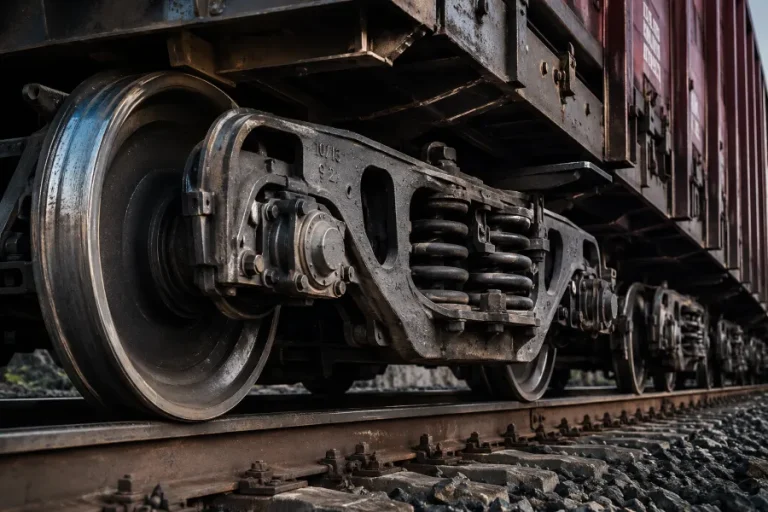
Jeder Eisenbahnrad and every casting component underneath a railcar is quietly carrying enormous loads. A single freight train can weigh thousands of tons. Those forces travel directly through the Räder, Achslagergehäuse, Getriebegehäuse, and structural castings into the track.
So the real question is not just what are railway components made of?
It’s why are they almost always made from ferrous materials?
The answer comes down to physics, Haltbarkeit, und langfristige Zuverlässigkeit.
Ferrous materials are metals that contain iron.
Stahl, Stahlguss, and ductile iron are all ferrous materials. They form the structural backbone of most heavy industrial systems.
Non-ferrous materials — like aluminum, Kupfer, or titanium — are also important in engineering. They can be lightweight, korrosionsbeständig, or excellent at conducting electricity.
But railway wheels and structural casting components don’t just need to be light or conductive.
They need to survive.
Imagine what a Eisenbahnrad experiences in service:
Now multiply that by years of operation.
The same applies to bogie frames, Seitenrahmen, and other load-bearing castings. These components must resist:
This is where ferrous materials prove their value.
Aus technischer Sicht, there are several clear reasons.
Ferrous alloys — especially carbon steel and alloy steel — provide the strength required to support massive dynamic loads without permanent deformation.
Für Eisenbahnräder, this is fundamental.
Trains do not fail because of a single overload.
They fail from repeated stress over time.
Properly engineered ferrous materials can withstand millions of load cycles, which directly impacts safety and service life.
One of the major advantages of ferrous materials is that their properties can be adjusted through heat treatment.
Zum Beispiel:
This balance is especially important for railway wheels, where both wear resistance and toughness must coexist.
Railway engineering has more than a century of accumulated field experience.
Ferrous materials have consistently demonstrated reliability in heavy-duty railway applications. That track record matters when safety is involved.
Non-ferrous materials certainly have roles within railway systems — particularly in electrical equipment and lightweight secondary structures.
Jedoch, for primary load-bearing components such as Eisenbahnräder und Strukturgussteile, ferrous materials remain the most practical and dependable choice.
Not because they are traditional.
But because they work.
Material selection in railway engineering is never random. It is always about balancing strength, Ermüdungsleben, manufacturability, und langfristige Zuverlässigkeit.
When thousands of tons move at speed, the margin for error disappears. That is why most critical railway components continue to rely on carefully engineered ferrous materials.
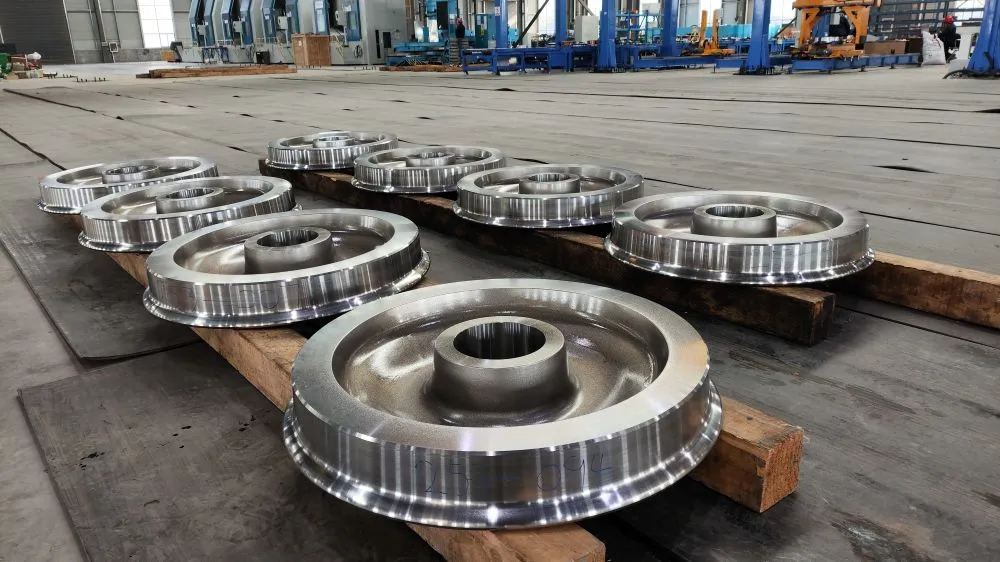
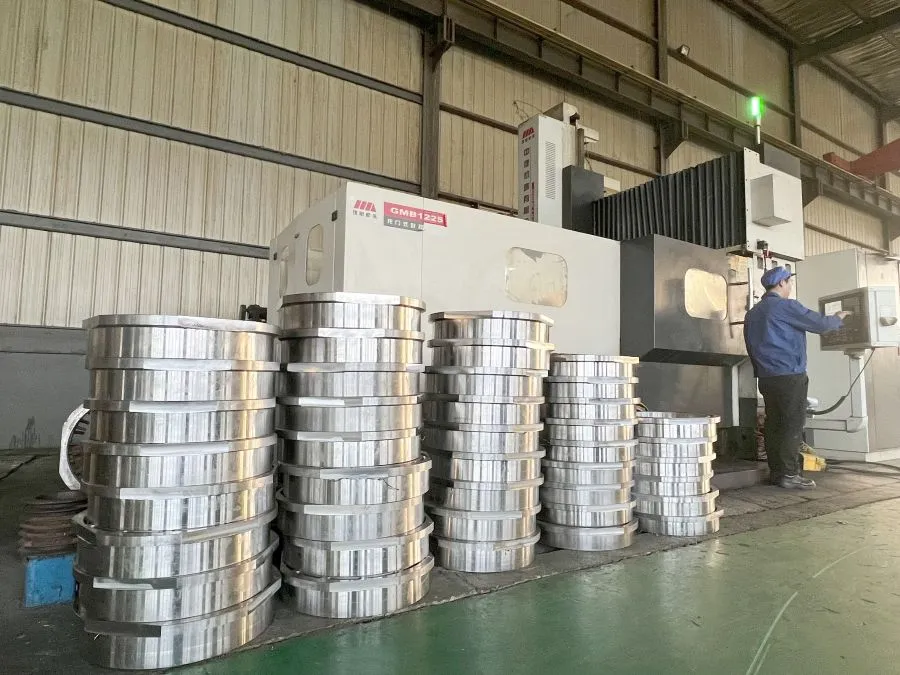
Bei Luoyang Fonyo Heavy Industries Co., Ltd., we specialize in manufacturing Eisenbahnräder and high-performance casting components using optimized ferrous materials, produced according to strict quality and technical standards.
For more information, Bitte besuchen Sie unsere Website www.railwaypart.com