Scannen Sie den WeChat-Code, um mit uns Kontakt aufzunehmen
Scannen Sie den WeChat-Code, um mit uns Kontakt aufzunehmen
Schicken Sie uns gerne eine E-Mail und wir werden Ihnen so schnell wie möglich antworten.
Mit Herz und Seele die Zukunft gestalten


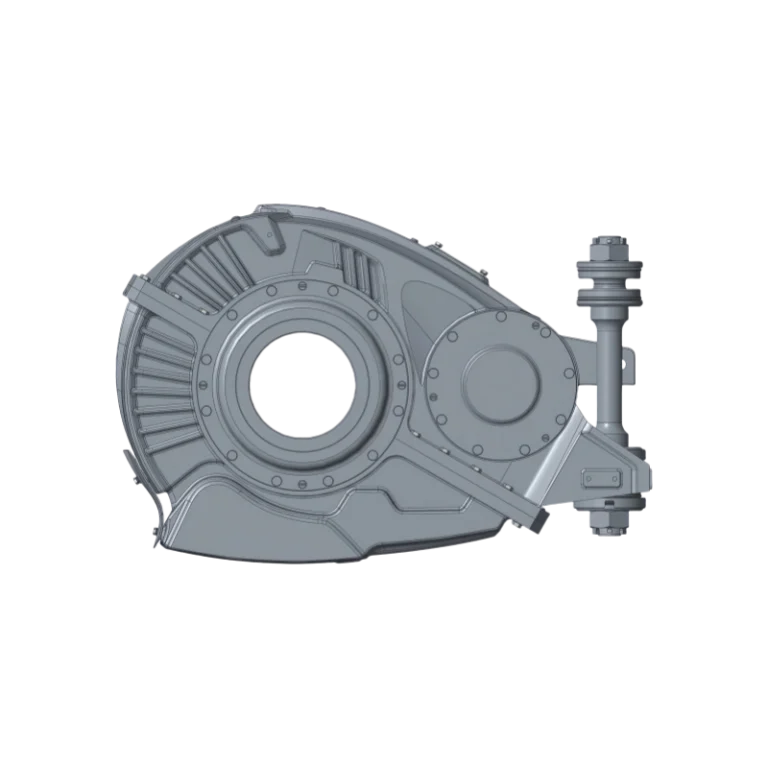
Amid the roar of industrial equipment, Getriebe, as the core components of power transmission, are always under the test of high load and high speed. Jedoch, when rust quietly climbs onto the metal surface, this precision mechanical heart may face the crisis of performance degradation or even scrapping. According to statistics, gearbox failures caused by corrosion account for more than 30%, and a scientific anti-corrosion system can extend the life of the equipment by 3-5 mal. This article will reveal the scientific code of material selection and surface treatment, and analyze how gearboxes build “invisible armor” through triple protection.
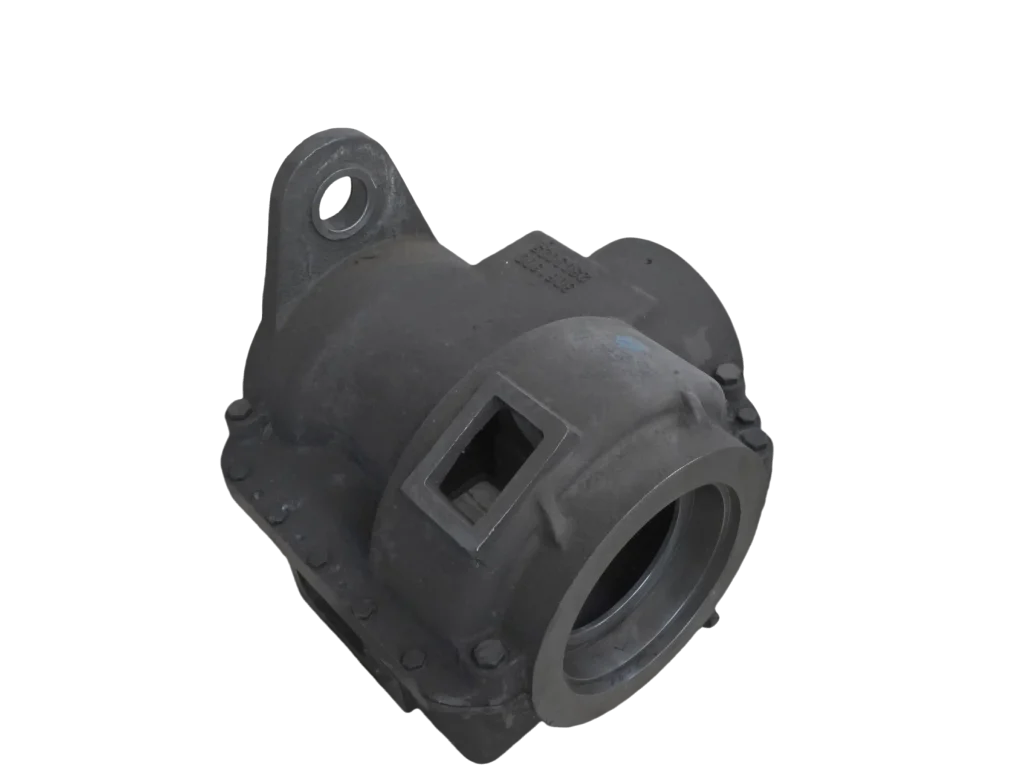
The anti-corrosion battle of gearboxes begins at the material selection stage. Among the common housing materials, HT250 (gray cast iron) and QT500-7 (Sphäroguss) occupy the mainstream position, and their grades hide key performance parameters:
HT250: H represents gray cast iron, T represents iron-carbon alloy, Und 250 represents the minimum tensile strength of 250MPa. This material achieves excellent shock absorption performance through a flake graphite structure, but the graphite edge is prone to forming electrochemical corrosion channels and needs to be protected.
QT500-7: Q is ductile iron, T represents ferrite matrix, 500 represents tensile strength of 500MPa, Und 7 represents elongation of 7%. The spheroidal graphite structure significantly reduces corrosion sensitivity while maintaining strength, making it more suitable for high-stress environments.
Gear materials present a different picture: 20CrMnTi carburized steel resists wear through high surface hardness (HRC58-62), while the toughness of the core area (ak≥60J/cm²) prevents fracture. Das “hard outside and tough inside” gradient structure places higher requirements on anti-corrosion treatment – it is necessary to protect the high-hardness surface without destroying the residual stress distribution. Zum Beispiel, after a wind power gear adopts the ion nitriding process, a dense compound layer is formed on the surface, which improves corrosion resistance and wear resistance by 3 mal.
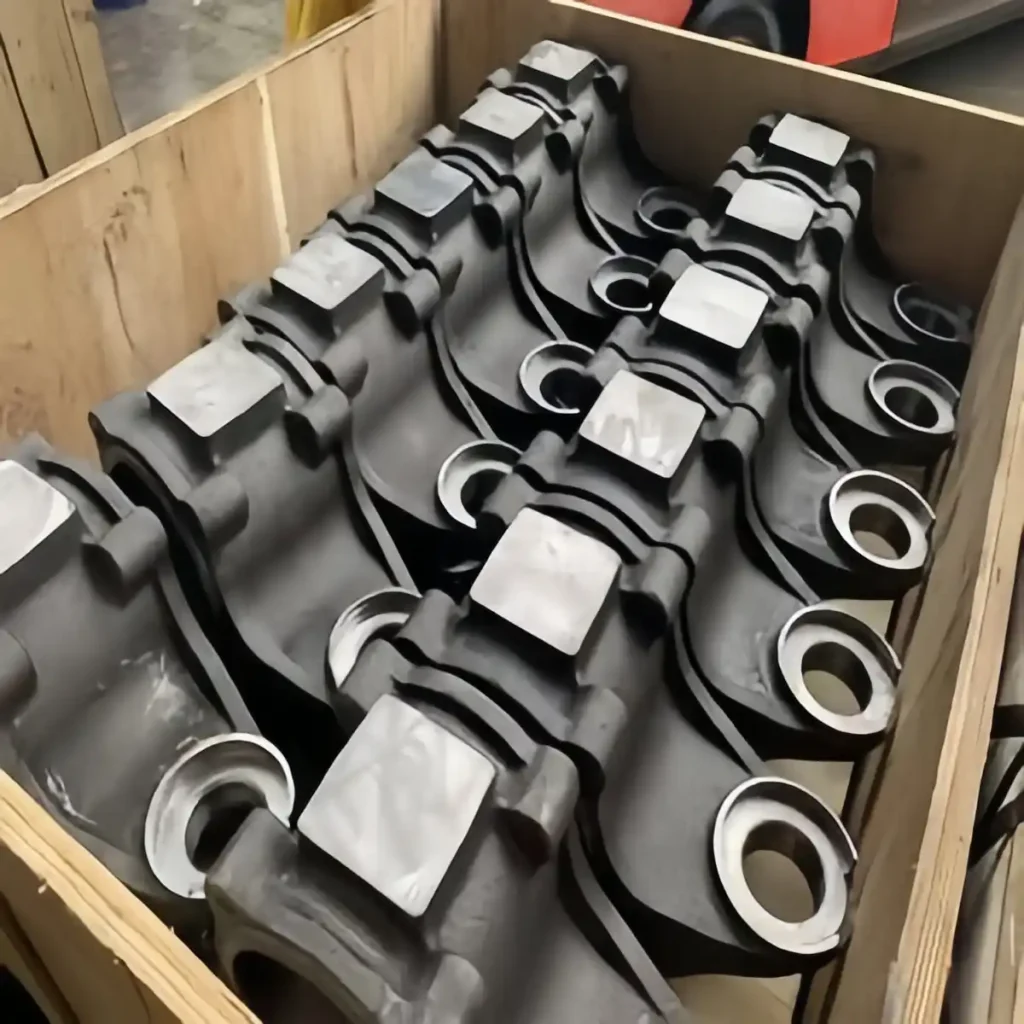
Corrosion defense of gearboxes needs to be customized according to the mechanical properties of different components:
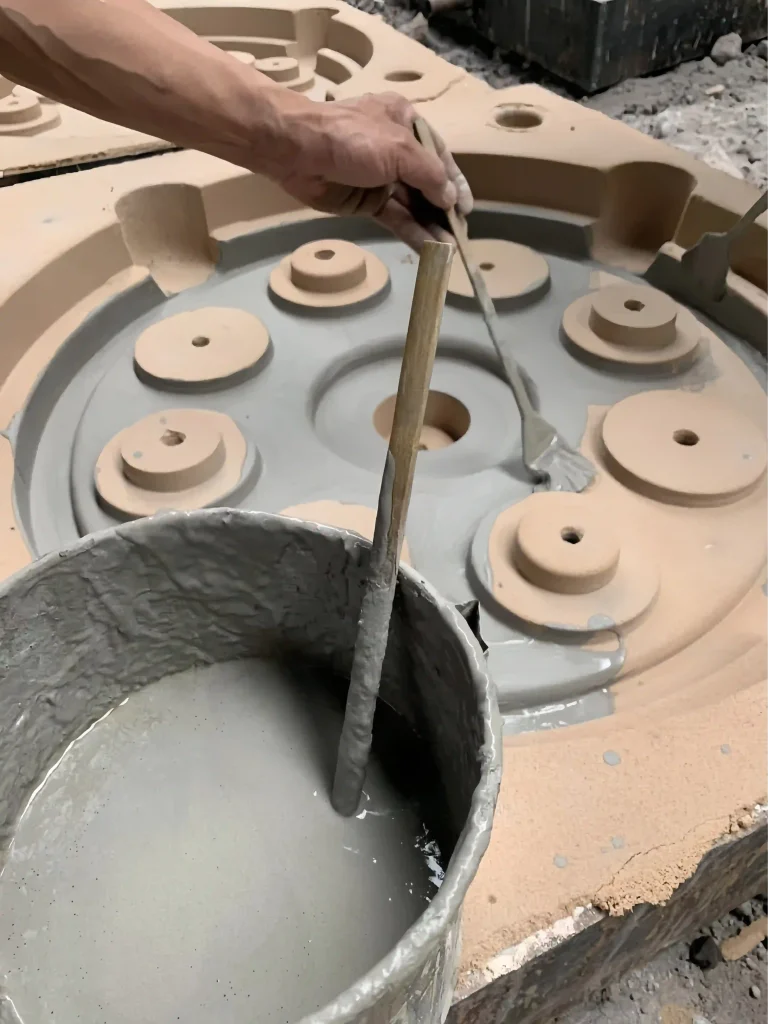
Case protection: As an absorber of vibration and impact, the gray cast iron housing needs to focus on preventing electrochemical corrosion caused by humid environments. A case of a wind power gearbox shows that after using Dacromet coating (flaky zinc-aluminum layer), the salt spray test life is increased from 480 Stunden bis 2000 Std.. This coating is only 0.006-0.012 mm thick, but it can form a physical barrier through multi-layer stacking while maintaining conductivity for electrochemical protection.
Gear protection: High-speed rotating gears face the dual threats of lubricating oil oxidation products and micropitting. A certain automobile transmission gear is treated with ion nitriding to form an ε-phase compound layer on the surface, which increases the wear resistance by 3 mal. The process is carried out at 450-500°C, and the penetration depth of nitrogen atoms reaches 0.2 mm, forming a gradient structure with high hardness and corrosion resistance.
The modern anti-corrosion system builds a three-dimensional protection network and achieves full life cycle protection through a combination of different technologies:
Basic protection layer: Hot-dip galvanizing is the most commonly used protection method for the box body. By immersing the workpiece in molten zinc liquid (450-470℃), a zinc layer 80-100 microns thick is formed. The electrode potential of zinc is lower than that of iron, and it is sacrificed first in a corrosive environment to protect the substrate from corrosion. After adopting this process, a port crane gearbox has been in service for 8 years in a marine climate without rust, and the maintenance cost has been reduced by 60%.
Functional intermediate layer: For heavy-duty gears, plasma spraying Al2O3 ceramic coating can significantly improve corrosion resistance. This process heats the ceramic powder to a molten state and sprays it onto the gear surface at a supersonic speed to form a dense coating 200-300 microns thick. In the gearbox of the metallurgical industry, this coating reduces the high-temperature oxidation rate by 80%, while reducing the friction coefficient from 0.15 Zu 0.08, extending the service life by more than 2 mal.
Dynamic sealing layer: The combined design of fluororubber oil seal and labyrinth seal builds a physical barrier between lubricating oil and the external environment. A high-speed rail gearbox reduces leakage by 75% by optimizing the oil seal lip angle (increased from 30° to 45°). Gleichzeitig, a double lip design is adopted, the outer lip blocks dust, and the inner lip maintains the oil film, effectively blocking the water intrusion path.
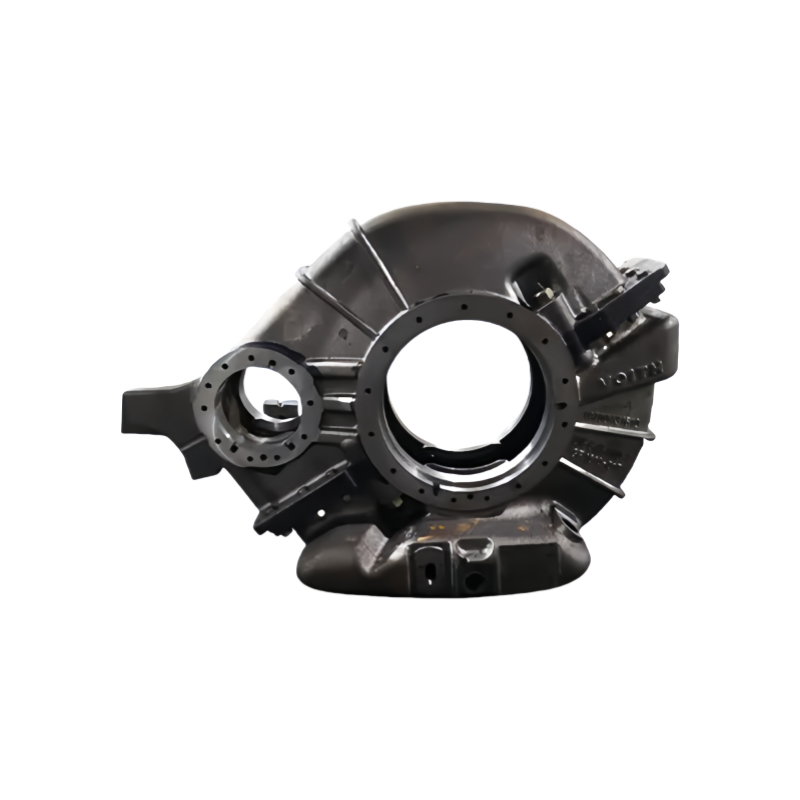
As industrial equipment advances into extreme environments, anti-corrosion technology is undergoing revolutionary innovation:
Nano coating: By constructing a lotus leaf-like hydrophobic structure, the contact angle reaches 165°, and water droplets roll on the surface in a spherical shape, unable to adhere to corrosive media. After applying this technology to a certain offshore platform gearbox, the salt spray test life exceeded 5,000 Std..
Laser cladding: Use a high-energy laser beam to melt alloy powder to form an in-situ self-generated carbide hard phase on the gear surface. This technology can achieve local precision repair, the cladding layer is metallurgically bonded to the substrate, and the corrosion resistance is better than the overall quenching treatment.
Intelligent lubrication system: sensors monitor oil acidity, moisture content and other parameters in real time, and automatically inject anti-corrosion additives when the risk of corrosion increases. After a mining equipment gearbox adopted this system, the number of unexpected downtimes was reduced by 90%.
From the precise selection of material genes to the coordinated operation of multi-layer protection, the anti-corrosion system of the gearbox interprets the protection philosophy of modern industry – the real strength is not to resist all attacks, but to build a system barrier that prevents corrosion from exerting its power. When each process becomes a fortress against rust, the heart of the machine can remain young in the long river of time. With the deep integration of nanotechnology, artificial intelligence and advanced manufacturing, Die “invisible armor” of the gearbox is becoming more intelligent and adaptive, escorting the reliability of equipment in the era of Industry 4.0.
Luoyang Fonyo Heavy Industries Co., Ltd,Das 1998 gegründete Unternehmen ist ein Hersteller von gegossenen Eisenbahnteilen. Unsere Fabrik erstreckt sich über eine Fläche von 72.600 qm, mit mehr als 300 Mitarbeiter, 32 Techniker, einschließlich 5 leitende Ingenieure, 11 Hilfsingenieure, Und 16 Techniker. Unsere Produktionskapazität beträgt 30,000 Tonnen pro Jahr. Momentan, Wir produzieren hauptsächlich Gussteile, Bearbeitung, und Montage für Lokomotive,Triebwagen,Hochgeschwindigkeitszüge, Bergbauausrüstung,Windkraft,usw. Unsere Produkte wurden nach Russland exportiert, die Vereinigten Staaten, Deutschland, Argentinien, Japan, Frankreich, Südafrika,Italien und andere Länder.
Kontakt: Stella Liu
E-Mail:[email protected]
Mobile:+8615515351287