Scannen Sie den WeChat-Code, um mit uns Kontakt aufzunehmen
Scannen Sie den WeChat-Code, um mit uns Kontakt aufzunehmen
Schicken Sie uns gerne eine E-Mail und wir werden Ihnen so schnell wie möglich antworten.
Mit Herz und Seele die Zukunft gestalten


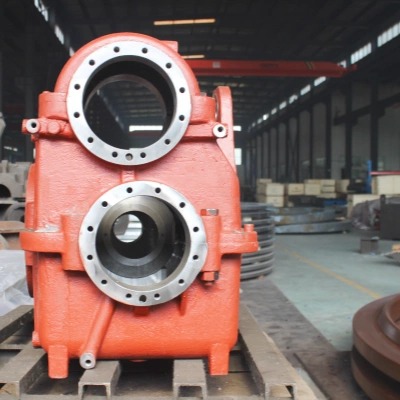
Across fields, valleys, tunnels, and viaducts, high-speed trains fly past. Inside these trains, gears play a vital role. These gears need a home, a place to reside – this is the gearbox housing. Heute, we focus onSandguss, a process both ancient and modern, to see how it forges these essential housings.
1. What is Sand Casting? The Industrial Revolution of “Sand Castles”
Remember making sandcastles or cars at the beach as a child? The basic principle ofSandguss is quite similar. Special foundry sand is mixed with a binder and compacted around a pattern, forming a hollow mold cavity. Molten metal, like iron or aluminum, is then poured into this cavity. After it cools and solidifies, the sand mold is broken away, revealing the metal casting.
The biggest advantages of thisSandguss process are its flexibility and cost-effectiveness. Whether the part shape is simple or highly complex, Sandguss can handle it. It’s also relatively low cost, making it ideal for single pieces or small batch production.
2. Why Choose Sand Casting for Gearbox Housings? 3 Key Advantages
Among many advanced casting methods, why does the simpleSandguss process still hold its ground? Mainly thanks to these points:
2.1 Strong Adaptability
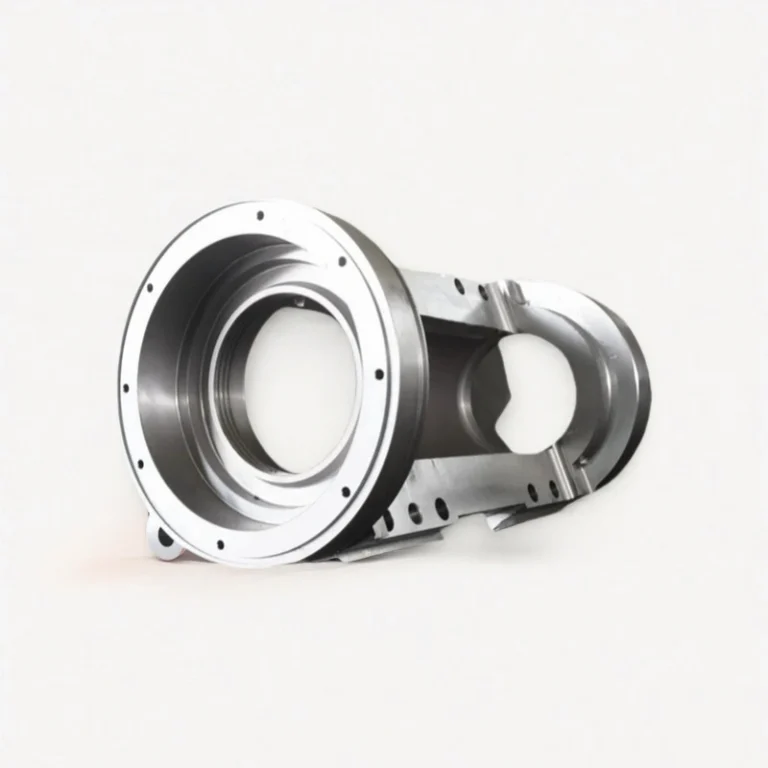
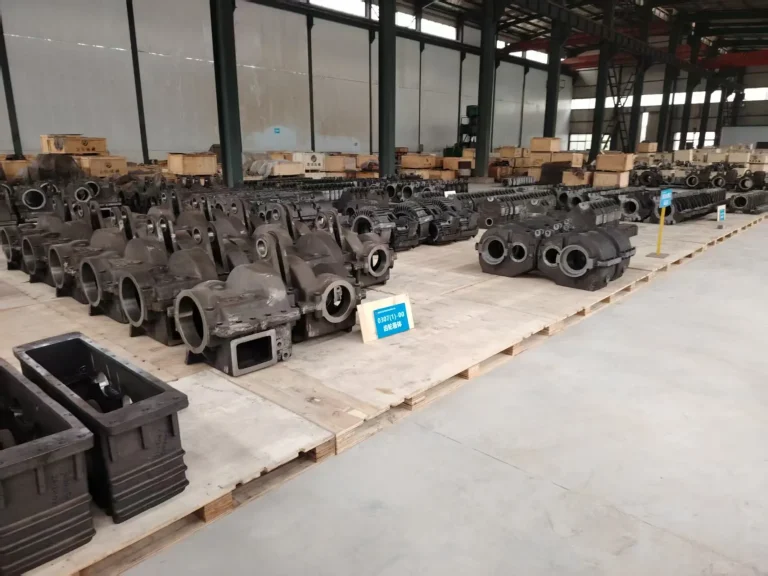
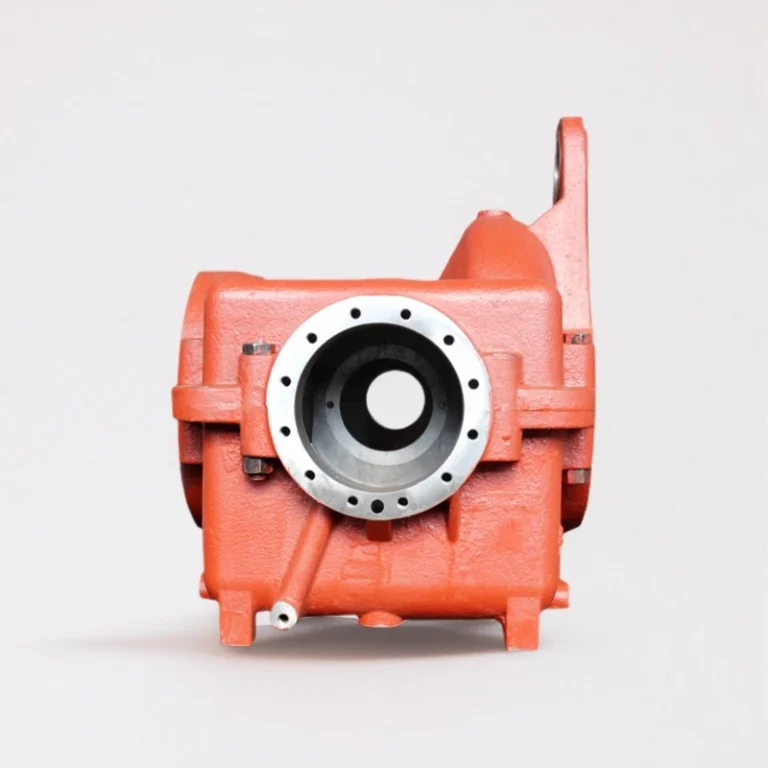
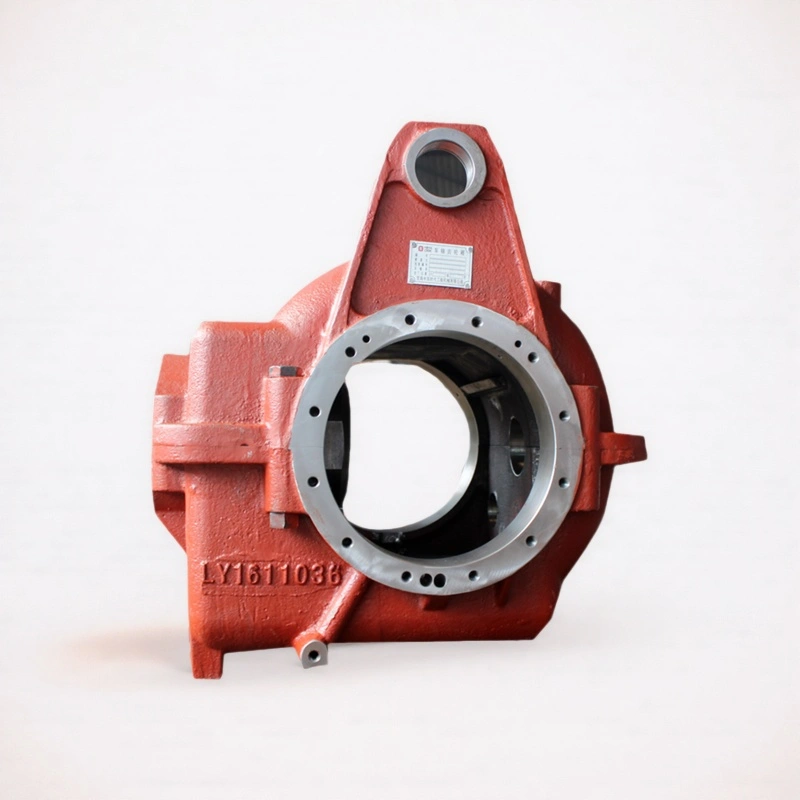
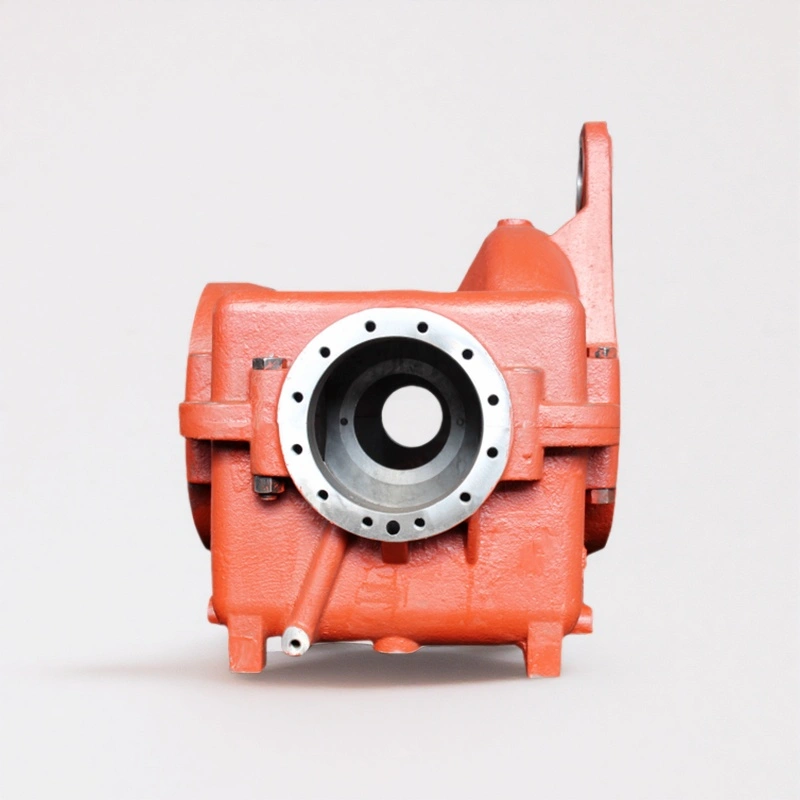
Getriebegehäuse have complex structures, often with internal ribs and irregular shapes.Sandguss can create very complex molds, perfectly replicating these details, which is hard for other processes to match.
2.2 King of Cost-Effectiveness
Especially for large components or small batches, the mold cost forSandguss is much lower than for metal molds. This significantly reduces upfront investment, making it very economical.
2.3 Wide Material Selection
DerSandguss process can handle almost all engineering metals, from traditional ductile iron to various aluminum alloys. This provides a material base for gearboxes with different needs, like the strength and toughness required for heavy-duty locomotives.
3. From Sand to Finished Product: The Birth of a Sand Cast Gearbox
The creation of a sand cast Getriebe housing is a precise collaboration:
3.1 Mold Making
Erste, a wooden or metal pattern is made based on the 3D data of the housing. Workers place this pattern into a molding flask, fill it with resin-bonded sand, and compact it. Removing the pattern leaves the cavity that defines the future casting’s shape.
3.2 Mold Assembly and Pouring
The prepared cope (Spitze) and drag (bottom) flasks are closed together to form a complete, sealed mold cavity. Dann, molten metal at temperatures over a thousand degrees Celsius is poured steadily into the cavity through a gating system.
3.3 Cooling and Shakeout
The filled mold needs time for natural cooling, allowing the metal to solidify completely. Afterwards, workers break the sand mold using vibration or other methods to retrieve the roughSandguss Getriebegehäuse.
3.4 Post-Processing and Finishing
This rough casting still has gates, Aufsteiger, and fins. Through a series of finishing steps like cutting, Schleifen, and shot blasting, a gearbox housing with clear contours and a smooth surface is truly born.
4. Challenges & Evolution: Ancient Process Meets Modern Tech
TraditionalSandguss faces challenges, such as lower casting accuracy and surface finish compared to investment casting, and it can be prone to defects like sand holes and gas pores.
But modern industry has given it technological wings. Using CAE simulation software, engineers can simulate the entire pouring and solidification process on a computer. This predicts potential defect locations and optimizes theSandguss process design. Außerdem, new materials like self-setting resin sand greatly improve mold strength and stability, ensuring casting quality inSandguss.
5. Abschluss: A Time-Tested, Reliable Process
Zusammenfassend, Sandguss might not be the most glamorous manufacturing technology, but its flexibility, economy, and strong adaptability make it an indispensable and reliable choice for gearbox housings and many other fields. Like an experienced master craftsman, assisted by modern technology, it continues to cast a solid and reliable foundation for critical sectors like rail transport.
6 Anbieter
Luoyang Fonyo Heavy Industries Co., Ltd. ist ein führender Hersteller von Gussteilen und Komponenten für die Schwerindustrie, spezialisiert auf die Bereitstellung hochwertiger Stahlgussteile, einschließlich Kohlenstoffstahl, Sandguss, Hochmanganstahl, legierter Stahl, und hitzebeständige Stahlgussteile. Mit einem umfassenden Servicemodell, das Design integriert, Gießen, Bearbeitung, und Service, Fonyo stellt sicher, dass jedes Produkt strenge Qualitäts- und Leistungsstandards erfüllt, um den anspruchsvollen Anforderungen verschiedener Schwerindustrien gerecht zu werden.
Wenn Sie auf der Suche nach einem vertrauenswürdigen Lieferanten für Gussteile und Maschinenteile für die schwere Industrie sind, Zum Beispiel, the sand casting part, Luoyang Fonyo Heavy Industries Co., Ltd. ist Ihre ideale Wahl. Besuchen Sie die offizielle Website von Fonyo (www.railwaypart.com) Weitere Produktinformationen und technischen Support finden Sie hier!