Scan the WeChat code to contact us
Scan the WeChat code to contact us
Feel free to send us a massage and we will reply to you as soon as possible.
Creating the future with heart and soul


When people talk about wind power equipment, they usually think of blades, towers, or generators. However, there is another large castings that quietly carries enormous responsibility, it is the wind power generator base.
This component does not generate electricity or rotate during operation, but it supports the entire generator system. It must remain stable for decades while operating outdoors under constant load, vibration, wind, rain, and temperature changes. For manufacturers, it is also a clear test of whether they truly can produce large castings and weather-resistant castings with consistent quality.
In this article, we use our wind power generator base as a real example to show how our experience, process control, and manufacturing system support the production of large weather-resistant castings — not only for wind power applications, but also for other heavy-duty industries.
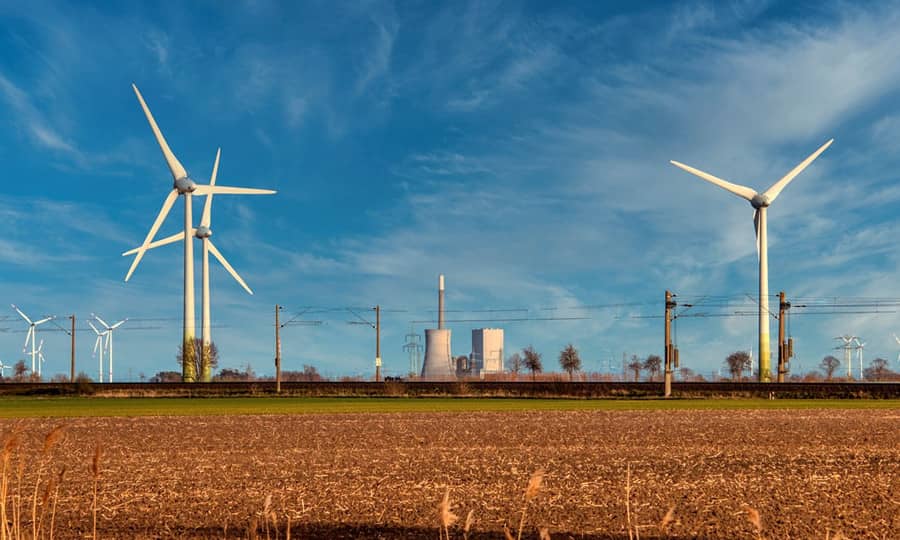
A wind power generator base is not a decorative component. It is a structural part designed for long-term outdoor service.
Under real operating conditions, it must support the full weight of the generator and related equipment while withstanding continuous vibration. At the same time, it needs to resist wind loads, structural stress, and long-term exposure to rain, humidity, UV radiation, and temperature fluctuations. In most projects, the expected service life is 20 to 25 years.
For this type of product, reliability must be built into the casting itself from the very beginning.
Once installed, repair or replacement is extremely costly. That is why this component places particularly high demands on large castings’ manufacturing capability and on the durability of weather-resistant castings.
One of the most obvious characteristics of a wind power generator base is its size.
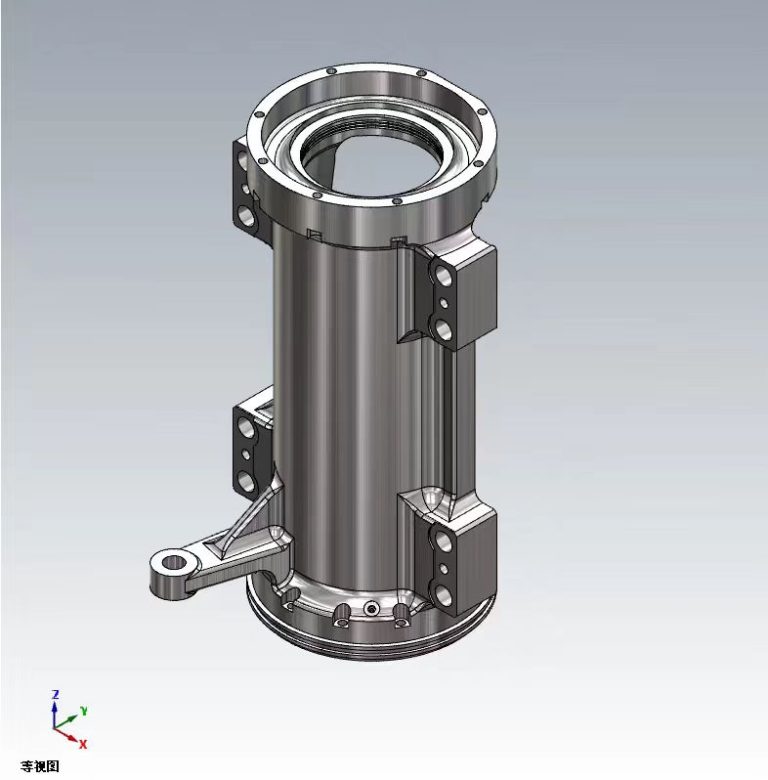
These components are really large castings, often weighing several tons and featuring very complex structural designs. Thick and thin wall sections coexist within a single casting, while reinforcing ribs are integrated to provide stiffness. In addition, multiple mounting and alignment surfaces must reach strict dimensional requirements, especially in critical load-bearing areas.
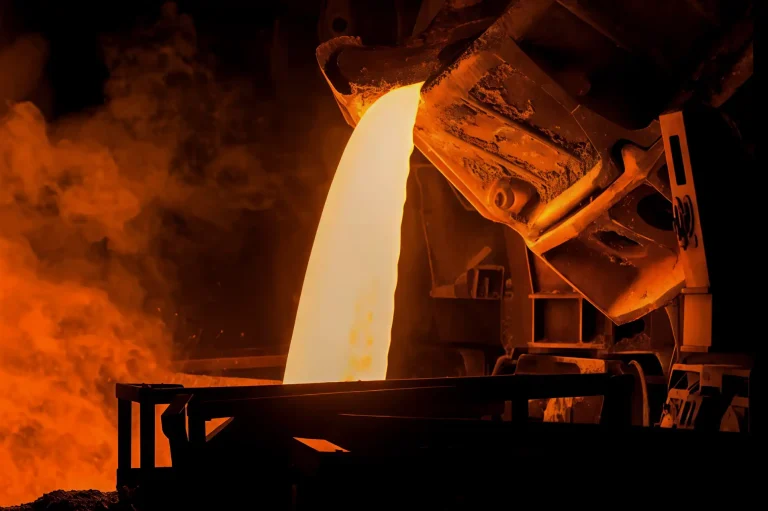
For large castings like this, success is not simply about pouring molten metal into a mould. The real challenge lies in controlling solidification, managing internal stress, and maintaining structural integrity throughout the entire component.
This is where experience with large structural castings becomes very necessary.
Weather resistance always starts with the right material.
For a wind power generator base, material selection must balance several key properties. These include sufficient mechanical strength, good fatigue resistance, and long-term corrosion resistance. Equally important, the material must be stable under continuous outdoor exposure and repeated temperature cycles.
For weather-resistant castings, only think about strength is not enough. The material must perform reliably year after year, even under harsh environmental conditions such as moisture, temperature variation, and atmospheric corrosion.
Our approach to material selection is application-driven. Instead of relying only on laboratory data, we pay attention to how the material behaves in real working environments. This mindset is essential for producing weather-resistant castings with long and predictable service life.
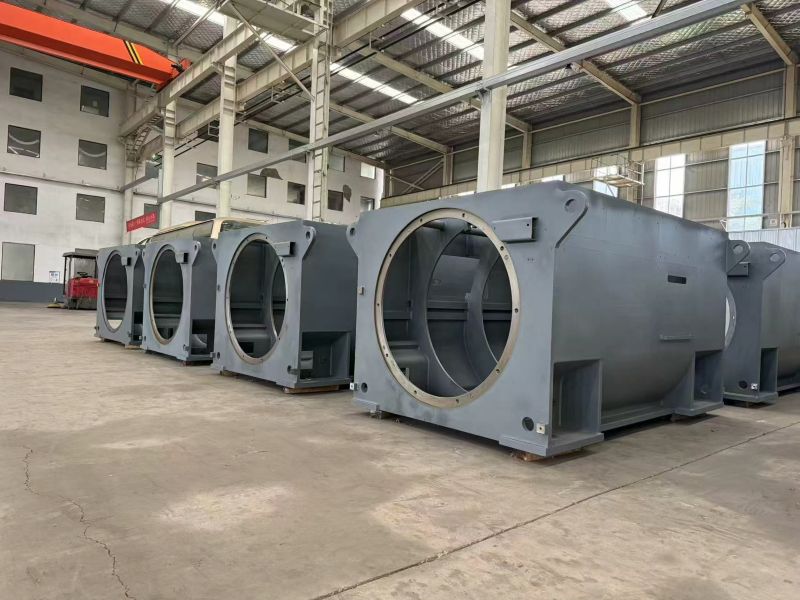
For large castings, internal quality is just as important as external appearance.
Defects such as shrinkage porosity or internal voids can seriously affect long-term performance, especially in load-bearing structural components like a wind power generator base.
To address these risks, our casting process focuses on key technical controls. These include careful selection of mould and sand systems, optimised gating and riser design, and strict control of metal filling and solidification. By managing these factors together, we achieve predictable feeding behaviour during cooling and make sure that a sound internal structure.
When producing large weather-resistant castings, the goal is not simply to make one good piece. The true measure of capability lies in stable and repeatable process performance.
As casting size increases, the risk of internal stress and distortion also increases.
Uneven cooling can lead to residual stress, which may cause dimensional instability. This can result in deformation during machining or later during service.
For a big casing parts wind power generator base, dimension is very important, it must be accurate because it directly affects assembly precision and long-term alignment. Even small deviations can create installation difficulties or operational issues.
That is why we pay close attention to cooling control and process timing. By carefully managing how the casting cools and stabilises, we reduce the risk of deformation and make sure that reliable performance throughout the service life.
This level of control is essential for all large castings used in structural applications.
Casting is only part of the manufacturing process.
A wind power generator base includes critical interfaces such as mounting surfaces, alignment planes, and connection points. These areas require precise machining to ensure proper assembly and reliable operation.
Machining large castings presents its own challenges. Heavy components must be handled and fixtured safely, accuracy must be maintained across large dimensions, and deformation during material removal must be carefully controlled.
Because casting and machining are closely connected, we treat them as one integrated system. This approach helps ensure that our large castings meet both structural and dimensional requirements.
Weather resistance does not end with material selection.
Surface condition plays an important role in the durability of weather-resistant castings. For large components working in outdoor environment, surface preparation directly affects coating adhesion and long-term corrosion protection.
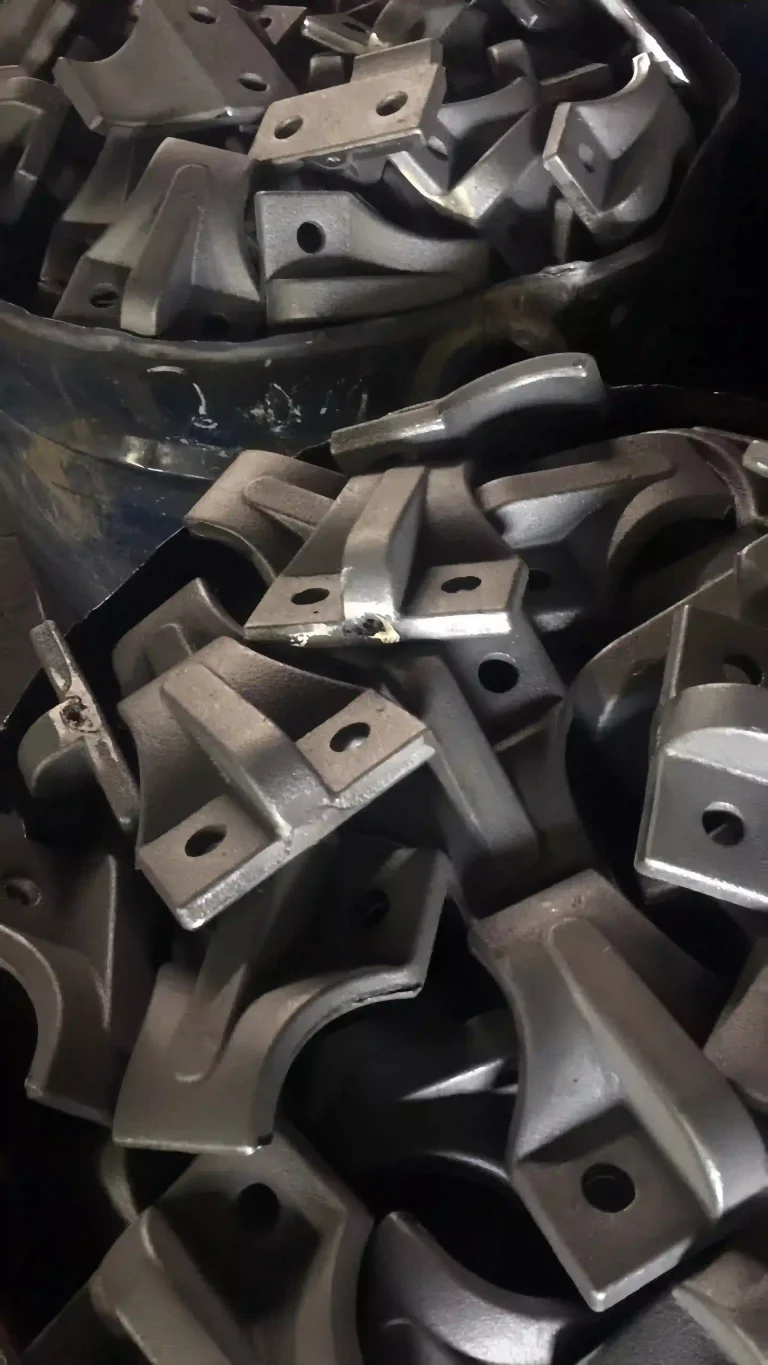
Our process typically includes whole shot blasting to remove scale and residual sand. This creates a clean, uniform surface and prepares the casting for protective coatings.
Proper surface preparation significantly extends service life and supports the overall corrosion protection system used in wind power applications.
For large weather-resistant castings, quality control must focus on the entire manufacturing process, not only on final inspection.
Our quality control system starts with raw material verification and continues through process monitoring during casting. After production, each component undergoes dimensional inspection and, when required, non-destructive testing to confirm internal integrity.
For large structural components, defects discovered at the final stage are costly and difficult to correct. Early control and consistent monitoring are therefore essential for reliable production of large castings.
The wind power generator base is just one example for our production of large castings.
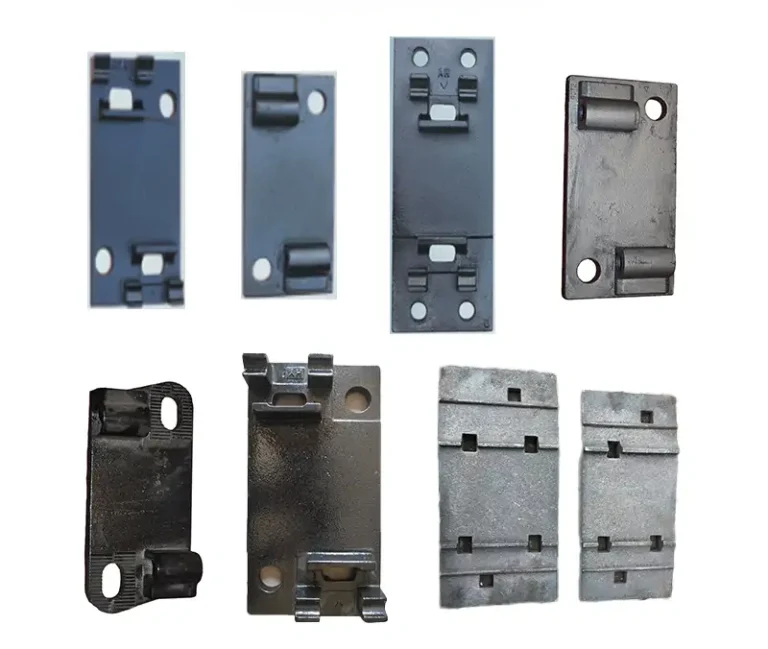
The same manufacturing principles applied here — material control, structural integrity, dimensional stability, and long-term weather resistance — are directly transferable to other industries. These include railway structural components, energy equipment bases, heavy machinery frames, and other outdoor load-bearing large castings.
In this sense, the wind power generator base is not only a product. It is a clear demonstration of our capability to produce large weather-resistant castings that perform reliably in real-world conditions.
Producing a wind power generator base requires far more than basic casting skills. It demands proven experience with large castings, a deep understanding of weather-resistant castings, and a manufacturing system focused on consistency and long-term performance.
At Luoyang Fonyo Heavy Industries Co., Ltd., we specialize in producing large weather-resistant castings for demanding applications such as wind power, railway systems, and other heavy-duty industries such as gearbox housing, axle box housing, suspension bearing housing, railway wheels etc. Components like the wind power generator base reflect our ability to control material quality, casting processes, dimensional stability, and long-term outdoor performance.
To learn more about our products and manufacturing capabilities, please visit www.railwaypart.com or contact us directly to discuss your project requirements.
You can also contact us directly:
WhatsApp: +86 15515351287
Email: sales@railwaypart.com
We’re always ready to help you find the most suitable solution for your application.