Scan the WeChat code to contact us
Scan the WeChat code to contact us
Feel free to send us a massage and we will reply to you as soon as possible.
Creating the future with heart and soul


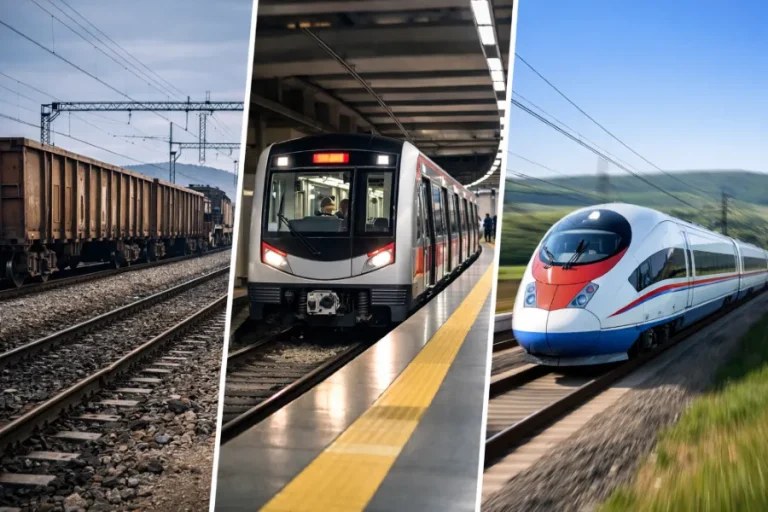
When we think about trains, we often imagine their speed, size, or even the sound of wheels on tracks. But behind all of these, there is a simple but important part: the railway wheels. Every train depends on these railway wheels to run safely, smoothly, and reliably. Yet, a wheel is not just a single round piece of steel; it is made up of different parts, and each section is designed specially to do a specific job. Now let’s take a closer look at each part and discover why it matters.
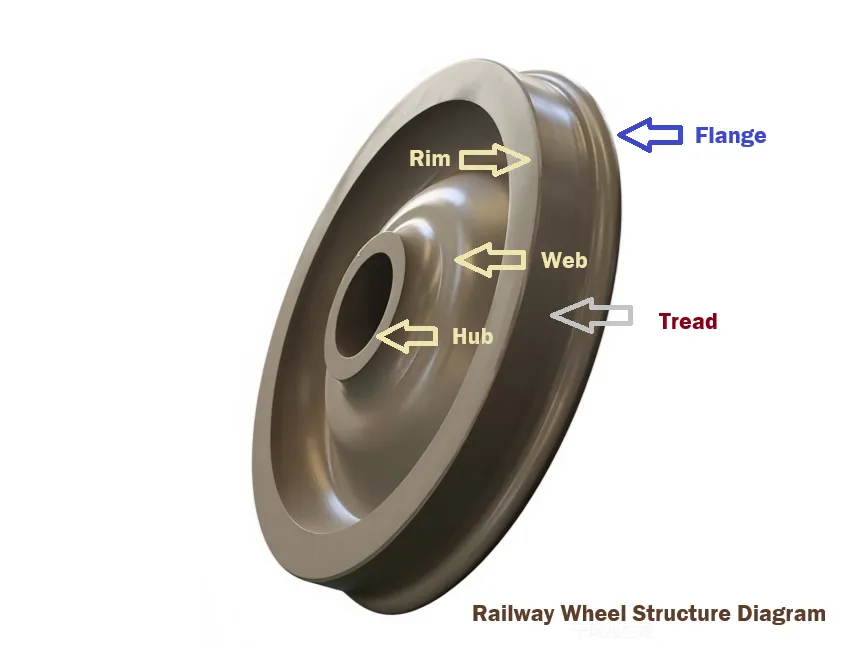
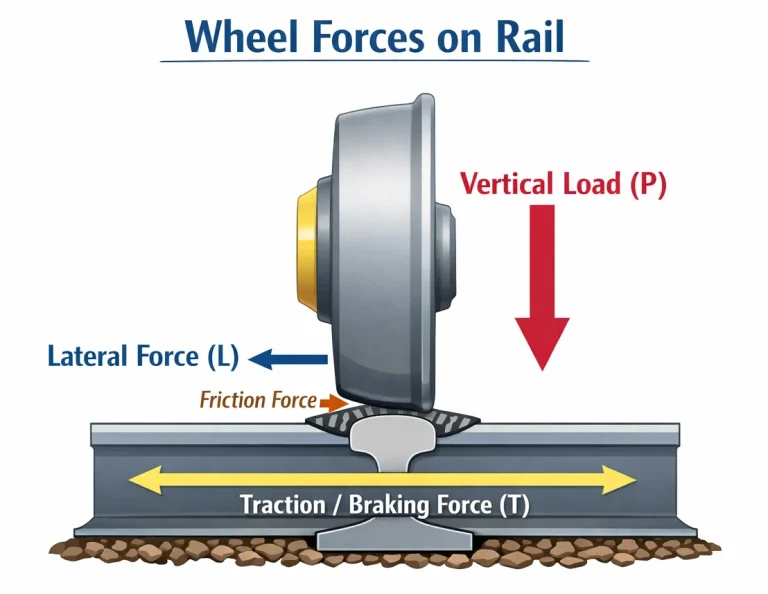
The tread is the flat surface of the wheel that actually touches the rails. This is the part that bears the entire weight of the train as it rolls forward. It also handles the friction from braking, which can generate a lot of heat.
Because the tread experiences so much wear and tear, it is made to be very hard and durable. In many modern railway wheels, the tread is locally heat-treated to improve its wear resistance and resist fatigue caused by the constant rolling contact with the rail.
Think of the tread as the “workhorse” of the wheel—it takes most of the pressure and keeps the train rolling safely.
Next comes the flange, the raised edge along the inner side of the wheel. The flange is small, but its role is huge: it keeps the wheel from slipping off the track, especially on curves.
The flange also needs to be strong and tough. It is often produced similarly to the tread, with surface hardening, so it can resist wear and occasional impacts against the rail. In short words, the flange is the guardian that helps prevent derailments.
The web, or spokes, is the section between the tread and the hub. You can think of it as the wheel’s skeleton. Its job is to transfer forces from the tread to the hub while keeping the wheel as light as possible.
Unlike the tread or flange, the web does not need to be extremely hard. Instead, it requires high toughness, so it can absorb shocks and handle the repeated stress of a moving train without cracking. In many designs, the web is not heat-treated to a high hardness—it needs to remain flexible and strong.
Finally, the hub sits at the centre of the wheel. This is where the axle passes through, and it is the point where torque from the engine or brakes is transmitted.
The hub is a critical load-bearing part. It must be strong, durable, and able to resist impact. However, it does not need a super hard surface like the tread. In most wheels, the hub is designed for stability and toughness rather than extreme hardness.
Railway wheels are usually made from high-quality steel, with strict control over impurities such as sulfur and phosphorus. Different parts of the wheel have different performance needs:
For tread and flange, these two sections need to be hard, wear-resistant and fatigue-resistant
For the Web and hub, these sections need to be tough, impact-resistant, and reliable under stress.
This kind of design is like a strong guardian where the surface is very hard, but the inner structure is tough, allowing the wheel to perform well in all conditions, from carrying heavy freight to running at high speed on curves.
A simple way to visualise this is like a chocolate-covered candy: the outer shell is hard, but the inside is softer and more flexible—together they make a strong, yet resilient whole.
Every part of the wheel works together. The tread and flange handle wear and contact with the rail, while the web and hub provide the support and absorb shocks. If all parts were the same hardness, either the surface would wear too fast, or the inner structure would crack under stress.
This carefully designed balance allows the train to run safely by preventing derailments and cracks, smoothly by reducing vibration and noise, and durably by extending the life of the wheels. Achieving this level of performance is precisely why heat treatment plays such a crucial role, a topic we will explore in our next article.

Railway wheels may look simple at first glance, but each part has a purpose. The tread, flange, web, and hub each carry out their unique jobs, working together to ensure that trains run safely and reliably. Understanding how these parts function gives us a deeper appreciation of the engineering behind every journey, every speed, and every mile. At Luoyang Fonyo Heavy Industries Co., Ltd. (visit us at www.railwaypart.com), we are proud to contribute to this precision engineering, delivering high-quality railway wheels for safe and smooth train operations.