Scan the WeChat code to contact us
Scan the WeChat code to contact us
Feel free to send us a massage and we will reply to you as soon as possible.
Creating the future with heart and soul


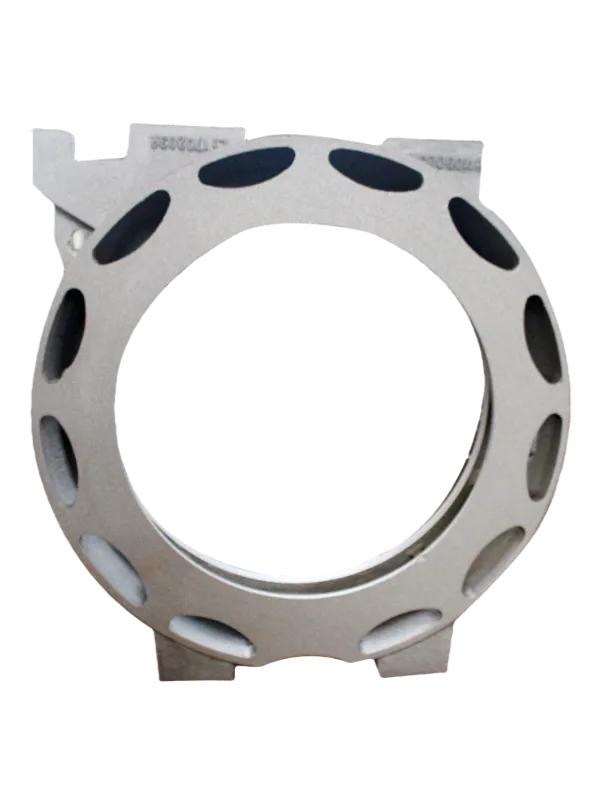
When people see a steel castings for the first time, the first thing they notice is the surface.
A smooth and clean surface usually indicates a stable casting process. On the other hand, rough surfaces, sand adhesion, or small pits often suggest that something went wrong during production.
For industries such as railway equipment, heavy machinery, and energy equipment, surface quality is not only about appearance. It also affects machining efficiency, inspection results, and sometimes even the performance of the final component.
In this article, we explain the main factors that affect the surface quality of steel castings from a practical engineering perspective.
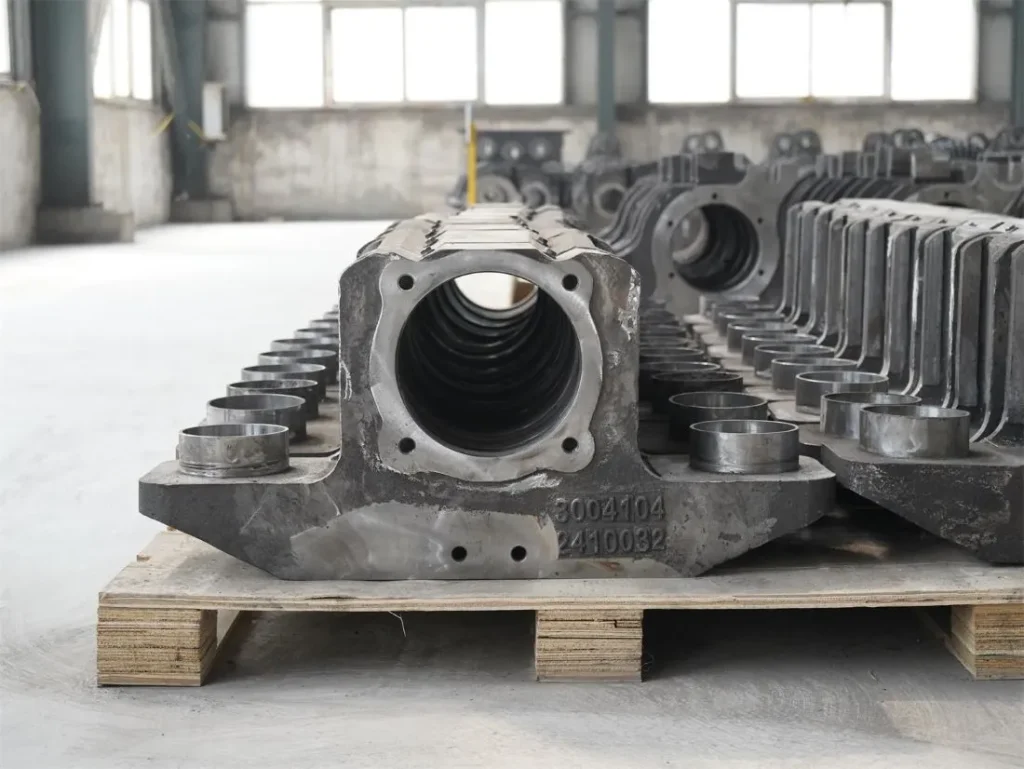
Surface quality is one of the first indicators of casting quality.
Poor surface conditions can lead to several problems:
For manufacturers producing heavy steel components used in industries like railway systems, controlling surface quality is an essential part of production.
In real foundry production, surface defects usually come from a combination of factors. The most important ones are related to molten steel quality, mold preparation, coating, and pouring control.
The quality of molten steel directly affects the final casting surface.
If the steel contains slag, oxide inclusions, or gas, these impurities may remain near the casting surface during solidification.
Typical causes include:
Maintaining clean molten steel is the foundation of high-quality steel castings.
The characteristics of the molding sand strongly influence surface finish.
Important parameters include:
For large steel castings, stable sand control is particularly important.
The mold surface acts as the “template” of the casting surface.
If the mold surface contains scratches, uneven repairs, or damaged areas, these imperfections can appear directly on the casting.
Another important factor is mold cavity cleanliness. Loose sand or foreign materials left in the mold may cause:
Therefore, proper mold preparation and cleaning are essential before pouring.
Refractory coating is one of the most important layers in steel casting production.
This coating forms a barrier between molten steel and the mold material. A high-quality coating can:
If the coating layer is uneven, too thin, or cracked, surface defects such as burn-on or rough surfaces are much more likely to occur.
The gating system determines how molten steel flows into the mold.
Poor gating design can cause turbulent metal flow, which may lead to:
A well-designed gating system allows molten steel to enter the mold smoothly and reduces impact on the mold walls.
The pouring operation also plays an important role.
Key parameters include:
Excessively high temperature may cause burn-on or metal penetration. Low temperature may lead to incomplete filling or cold shuts.
Stable pouring conditions help ensure consistent casting surface quality.
Below are several typical surface defects that can appear in steel castings.
| Defect | Appearance | Possible Cause |
| Sand adhesion | Sand sticking to surface | High pouring temperature or weak coating |
| Sand inclusion | Sand particles embedded | Mold erosion or poor cleaning |
| Pitting | Small holes on surface | Gas or oxidation |
| Rough surface | Overall rough texture | Coarse sand or poor mold finish |
| Burn-on | Strong sand bonding | High temperature or low coating quality |
Understanding these defects helps engineers identify root causes and improve the casting process.
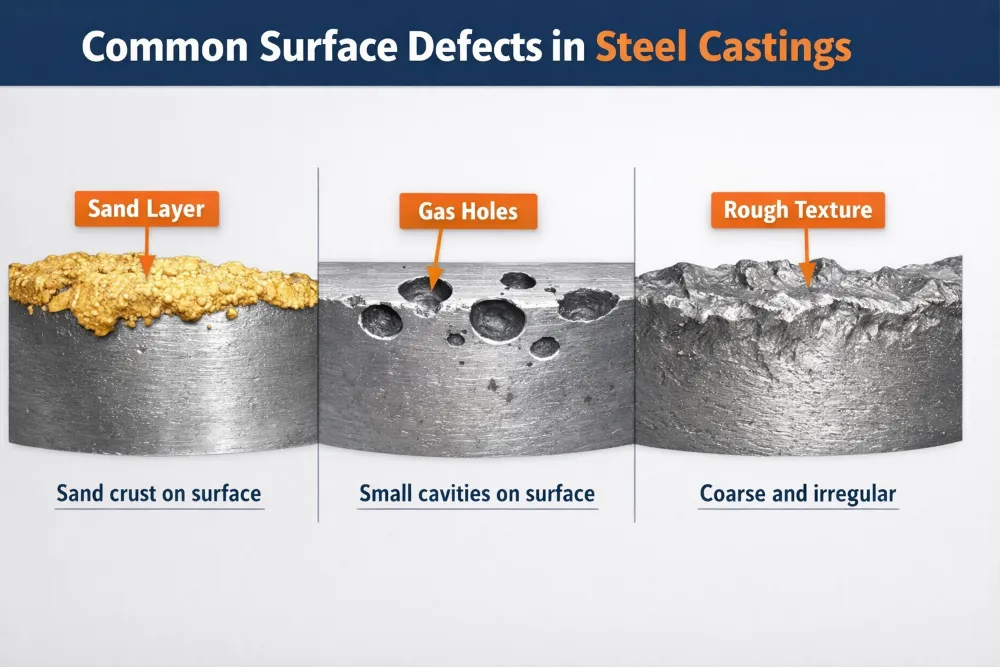
In many steel foundries, engineers often focus on gating design or pouring temperature when investigating surface defects.
However, in large steel castings, coating quality is often the most underestimated factor.
Molten steel does not directly touch the mold surface. The first layer it contacts is the refractory coating. If this layer is unstable, cracked, or poorly applied, surface defects become much more likely.
That is why many experienced foundries pay special attention to:
Good coating control can significantly improve casting surface quality.
To achieve stable casting surface quality, manufacturers typically focus on several key practices:
These practices help reduce surface defects and improve overall casting quality.
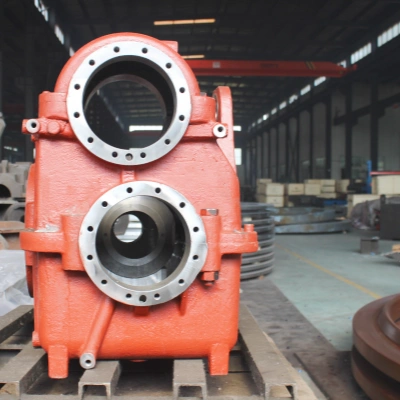
At Luoyang Fonyo Heavy Industries Co., Ltd., we manufacture heavy steel castings and precision-machined components used in industries such as railway equipment and heavy machinery.
As a core supplier to CRRC, one of the world’s leading train manufacturers, our company provides certified railway components for global rail projects.
Founded in 1998, we specialize in heavy steel castings, precision machining, and railway wheels. Our manufacturing system integrates design, casting, machining, and quality control under one roof.
If you are looking for reliable partners for railway components or large casting machining, feel free to contact us.
🌐 Website: www.railwaypart.com
What causes rough surfaces in steel castings?
Rough surfaces are usually caused by coarse molding sand, poor mold surface condition, or inadequate refractory coating.
How can sand adhesion in steel castings be prevented?
Sand adhesion can be reduced by using high-quality coatings, controlling pouring temperature, and improving mold materials.
Why is coating important in steel casting?
The coating forms a protective layer between molten steel and the mold. It improves surface finish and helps prevent defects such as burn-on and metal penetration.