Scan the WeChat code to contact us
Scan the WeChat code to contact us
Feel free to send us a massage and we will reply to you as soon as possible.
Creating the future with heart and soul


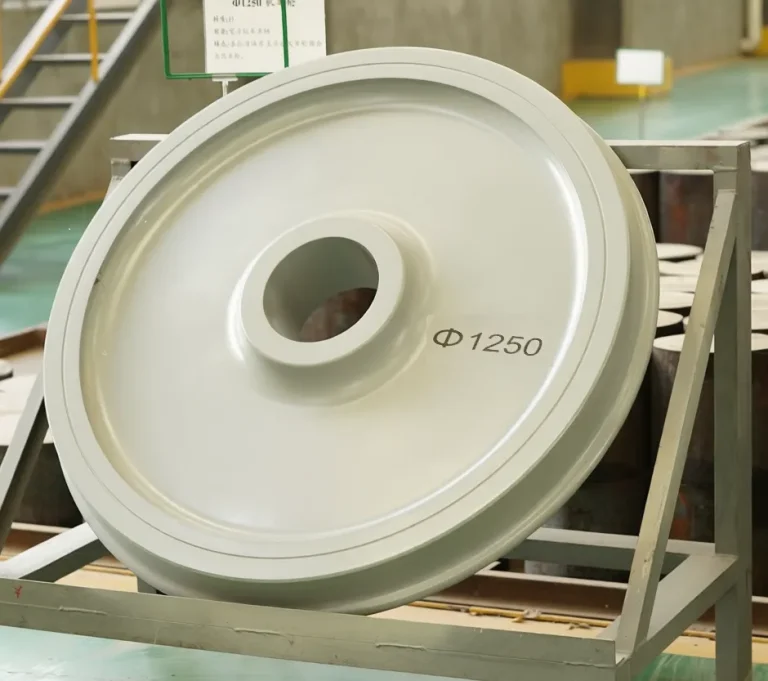
In the railway industry, wheels are one of the most important components of a train. Even a tiny crack or wear can affect the operational stability and safety of the train. Therefore, in our production plant, every single railway wheel must undergo a rigorous inspection before leaving the factory. Today, I’d like to talk about how we use the dual-station visual inspection station to check railway wheels and why this step is so important for wheel quality.
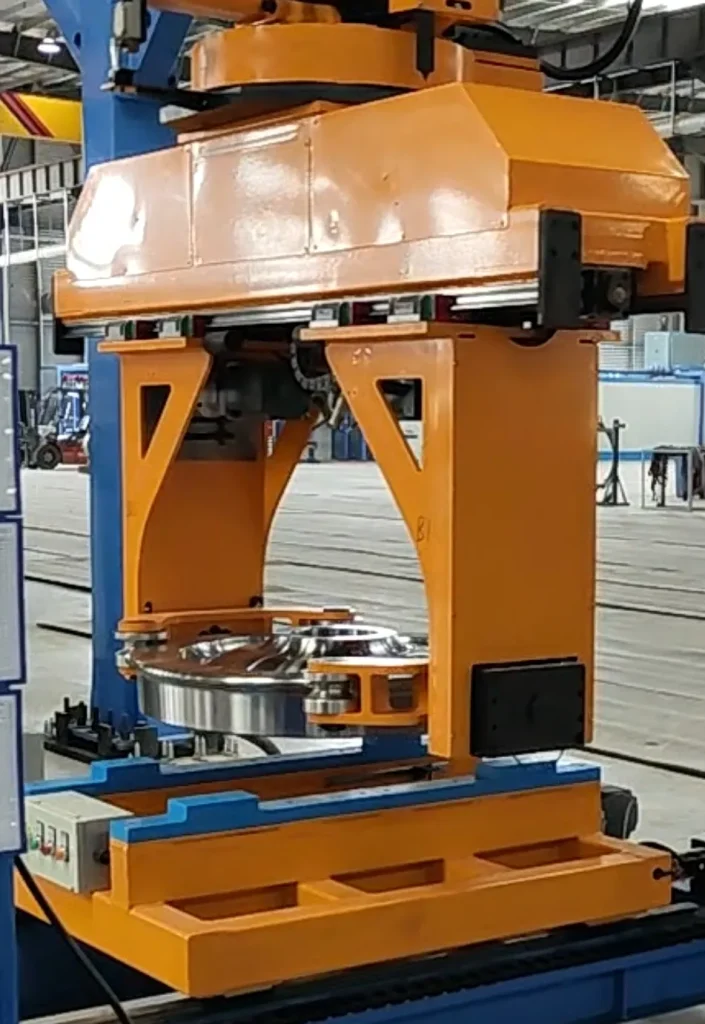
You might wonder, with modern factories having high-precision measuring equipment, why we still rely on “manual visual inspection”? Actually, visual inspection is the first line to make sure the quality of wheels. Some problems, like surface cracks, casting defects, or impact marks, can be quickly spotted with the naked eye. It’s not only efficient but also helps us screen out some obviously unqualified wheels before formal measurement. However, traditional manual inspection has a problem: limited viewing angles, making it sometimes difficult to see small defects on the wheel flange side or the back of the wheel disc. This is where our dual-station visual inspection station comes into play.
Our inspection station is designed with two stations, allowing simultaneous inspection of the wheel surface from different angles. This means all surfaces of the wheel flange, rim, disc, and hub can be clearly observed. The process is more efficient as the operator doesn’t need to constantly move the wheel, leading to more stable and consistent results with a significantly lower miss rate. In simple terms, it’s like giving the wheel a “360° full-body checkup,” ensuring no corner is left unchecked.
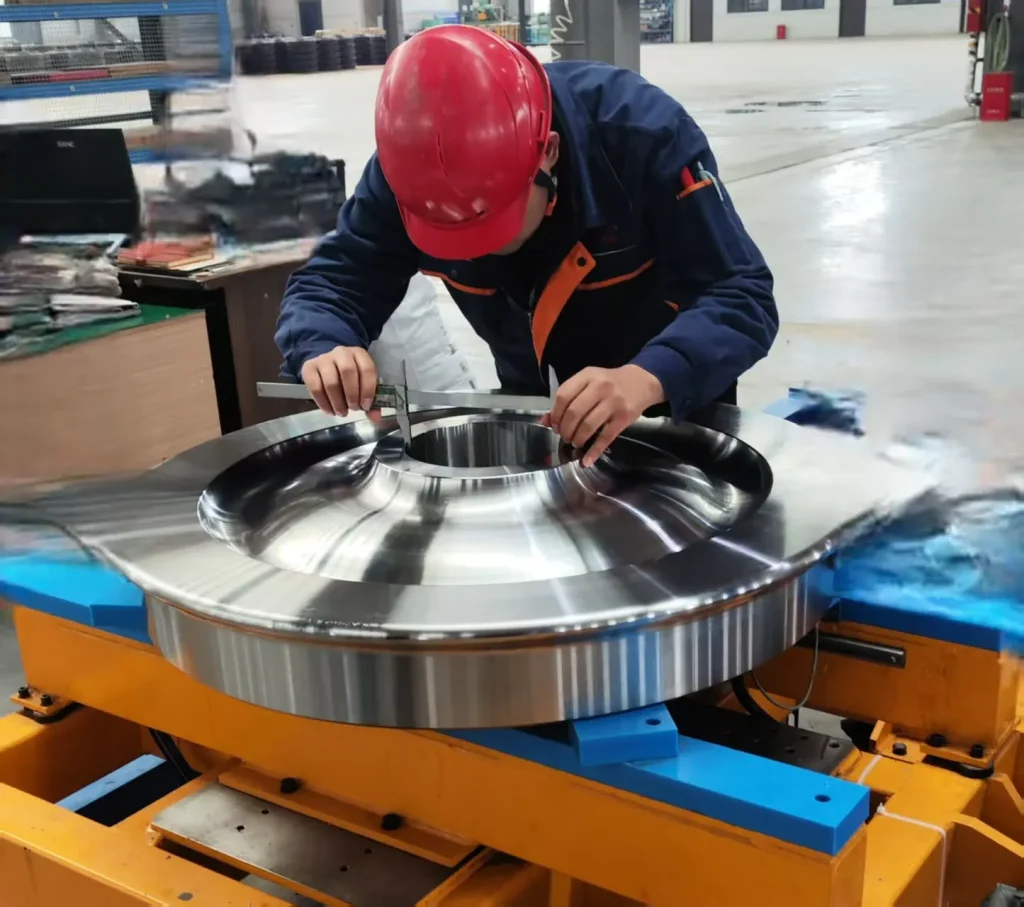
During inspection, we mainly focus on the following areas.
The flange contacts the rail directly and wears the most. We carefully check for any cracks or spalling, as cracks could lead to flange breakage. We also look for pits or impact damage, which can affect smooth train operation, and assess wear to ensure the flange height and thickness are within the design tolerance limits. Otherwise, repair or scrapping may be needed.
The “central area” of the wheel that bears forces from the hub and flange. Key points include checking for cracks and blowholes, which means small pores from casting that can weaken the strength if too large. We also look for local bumps or depressions that could cause imbalance, and check for deformation, as a warped disc directly affects train stability.
They are often be overlooked but still very important. We inspect the flange height, as excessive wear may increase derailment risk, and check for scratches or nicks, as deep scratches may develop into cracks under high load.
The hub carries the wheel’s entire weight, and the bore is where the axle is mounted. We check for cracks and damage in the hub bo, which are dangerous and require rejection, n—and measure the bore diameter and roundness, as an oversized or eccentric bore affects axle fit and train operation.
looking for corrosion or oxidation, as rust may lead to surface fatigue; noting heat treatment marks like bluish or brownish discolouration from local overheating, which must be recorded; and checking for residue such as sand, iron chips, or oil stains, which need cleaning for a clear view.
Besides visual checks, we also measure some key dimensions, for example, wheel flange height and rim thickness, wheel disc diameter, and hub bore diameter and roundness. These dimensions directly affect whether the wheel can be properly mounted on the axle and run smoothly on the tracks. Our inspection station is equipped with measuring tools, allowing simultaneous visual and dimensional checks, so that can make sure every wheel meets design requirements.
Our standard process is as follows:
First, clean the wheel surface to remove sand, chips, or oil for a clear view. Next, perform a preliminary visual inspection for obvious cracks, defects, or wear.
Then, place the wheel on the dual-station inspection station and rotate it, in order to observe every surface from multiple angles. After that, measure the key dimensions using tools for the flange, rim, disc, and hub bore.
Finally, record the results: qualified wheels go directly to storage, while unqualified ones are marked and sent for secondary inspection or rework. To facilitate operation, we also use a checklist that details each inspection item, method, and acceptance criteria. This kind of process makes it easier for operators and supports quality traceability.
So, the next time you see a train running smoothly down the tracks, remember: every wheel has passed a meticulous inspection by our engineers, in our company Luoyang Fonyo Heavy Industries Co., Ltd. we make sure there is no detail overlooked, no corner unchecked. That’s how we make sure trains run safely and efficiently. If you want to learn more about our railway wheel production and inspection process, visit www.railwaypart.com
If you want to purchase railway wheels, or you have any question about wheels, please feel free to contact us.
You can also contact us directly:
WhatsApp: +86 15515351287
Email: sales@railwaypart.com