Scan the WeChat code to contact us
Scan the WeChat code to contact us
Feel free to send us a massage and we will reply to you as soon as possible.
Creating the future with heart and soul


Let’s imagine a world without railway. What would happen?
You can picture in your mind that there is a very big train loaded with coal, travelling from a mine to a port. The amount of goods it moves in one night would require hundreds of heavy trucks to haul them. This isn’t just about choosing between trains and trucks; it’s about the fundamental logic , which is relative to our modern transport system. The truth is that railways aren’t just an option; they are a necessity.
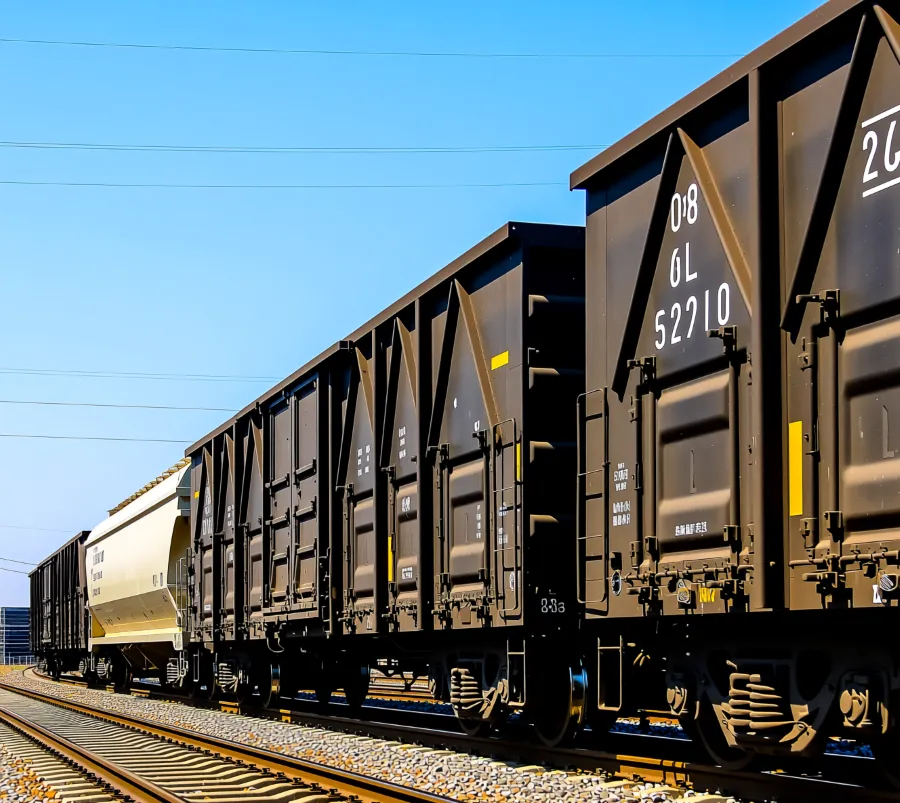
Let’s do a thought experiment: If railways didn’t exist at all, could our logistics system still function relying only on roads? Some economists have crunched the numbers, but focusing only on data misses the bigger point. Railways aren’t just a means of transport—they are the backbone of modern industrial civilisation, as one historian put it. The world before railways and the world after are two completely different places.
Real transport efficiency isn’t about who moves faster, but who can move mountains of goods using the least fuel and labour. Here, railways have a natural physical advantage. One standard freight train can replace about 280 heavy trucks. That’s a huge difference. Steel wheels on steel rails face very little resistance, making trains incredibly efficient for hauling heavy loads over long distances. No matter how much truck technology improves, it is still very difficult to let that gap be smaller.
Then there’s the infrastructure. Highways weren’t built for that kind of intensity. The damage caused by heavy trucks isn’t proportional—it increases exponentially. Double the axle weight, and the destructive force on the road grows about 16 times. Railways, on the other hand, are built to last. That means, it can work long time. A well-maintained rail line can serve for decades, even a century. Yes, the upfront cost is high, but the long-term stability and lower maintenance are exactly what industrial supply chains need.
Let’s just think of this kind of situation in your mind. If all goods were moved by road, ports, industrial zones, and mining areas would be permanently clogged. Even if trucks become electric and more fuel-efficient, that doesn’t solve the fundamental problem, that problem is about volume. Railways act like a pressure valve for the entire transport system, keeping major corridors flowing. For example, a single automobile logistics base in Zhengzhou ships out 20 dedicated trainloads of new cars each month. If all those vehicles were moved by truck, the local highways would break down.
When it comes to the environment, railways shine even brighter. For moving the same goods over the same distance, trains emit only about one-fifth of the CO₂, it is much lower than trucks do. Even as electric trucks become more common, trains will still hold the advantage in energy efficiency for long-distance, large-volume transport. Shifting more freight from road to rail is a key strategy for reducing transportation emissions.
Railways don’t just move goods—they shape the economic landscape. Many inland industrial cities wouldn’t exist without rail access. It was the railway that made it economical to transport raw materials over long distances, which in turn determined where factories and cities were built. Take Chongqing as an example. Its role as a link between the Belt and Road Initiative and the Yangtze River Economic Zone relies heavily on international rail routes, which moved over 72 billion yuan worth of goods in 2025. Global supply chains, especially for products like cars, increasingly depend on efficient “rail + sea” intermodal models to reach international markets.

Here’s the key point: trucks and trains aren’t competitors—they are the perfect team in modern logistics. They alll have their advantages. Trucks excel at the “last mile”—they’re flexible and deliver door-to-door. Trains dominate long-distance, heavy-load “trunk line” transport. This “trunk + branch” division of labour is what makes the whole system efficient. This logic is also reflected in many national policies, and this can encourage shifting suitable long-distance freight to railways.
Next time you see a train rolling into a port, carrying lots amount of goods, take a moment to appreciate what it represents. That single train is moving more cargo with 30% less energy, 50% fewer emissions, and roughly 80% lower cost than if all of it were transported by truck. From Luoyang to Chongqing to Suzhou, these “steel arteries” keep millions of tons of goods flowing—ores, vehicles, consumer products—day in and day out.
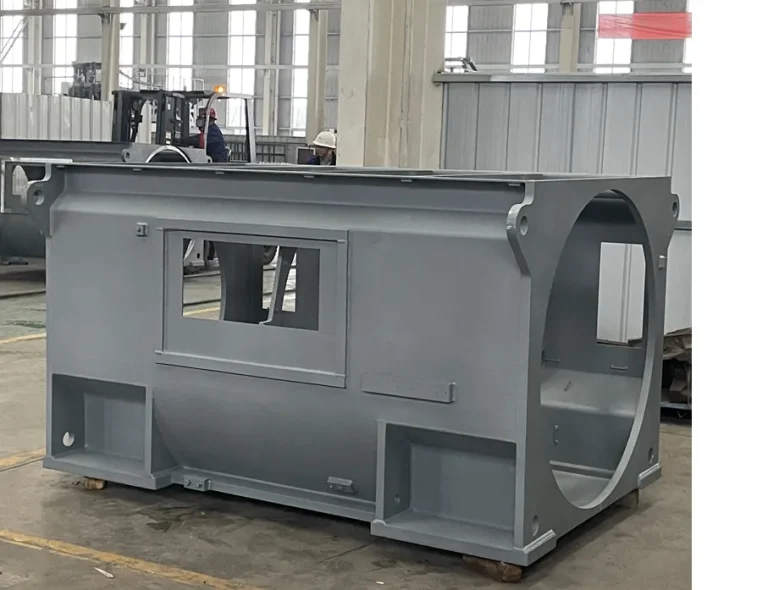
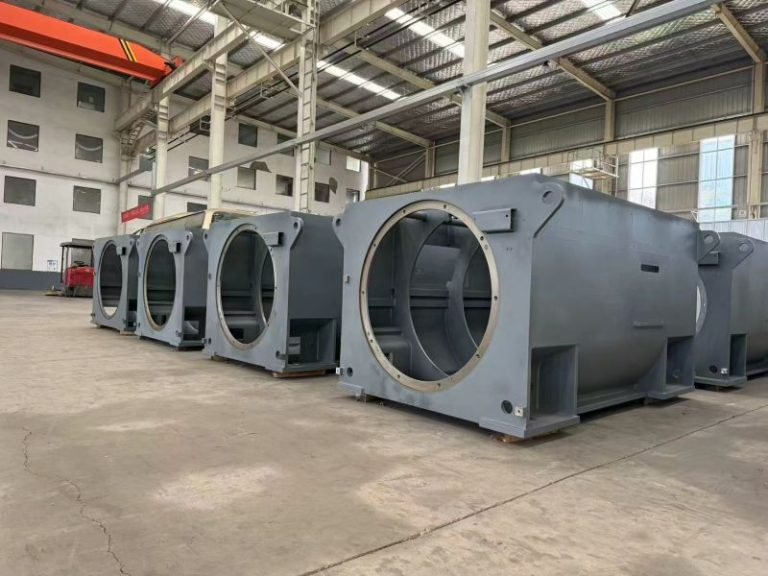
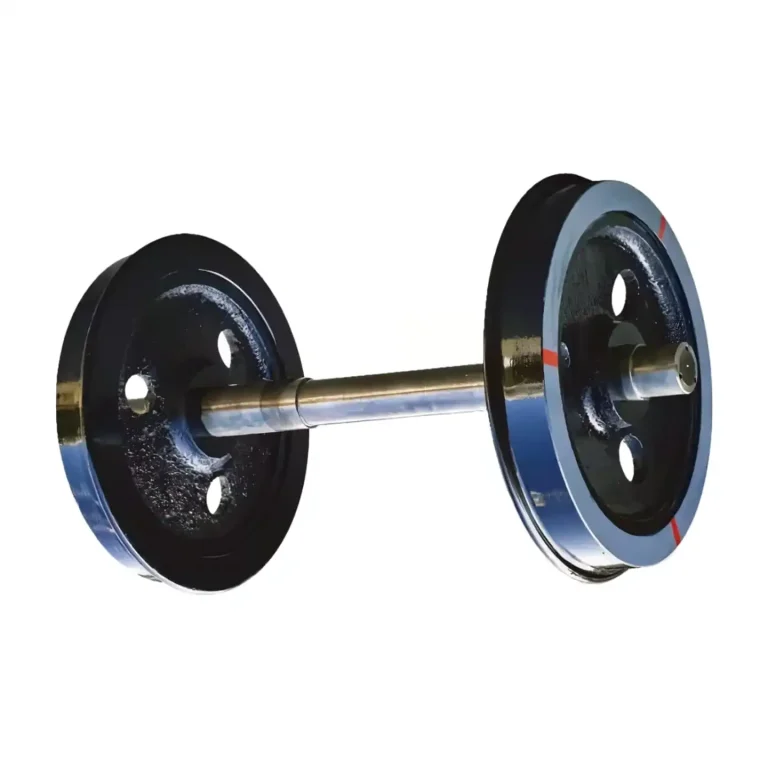
At Luoyang Fonyo Heavy Industries Co., Ltd., we provide reliable and customized railway parts to meet your specific needs. Visit our website at www.railwaypart.com to learn more or contact us — we can help you find the most suitable solution for your application. Our range includes durable railway wheels, brake shoes, gearbox housing, suspension bearing housing springs, and other essential railway components, all engineered for reliability and safety。
You can contact us directly if you have any requirement:
Email: sales@railwaypart.com
WhatsApp: +86 15515351287