Scan the WeChat code to contact us
Scan the WeChat code to contact us
Feel free to send us a massage and we will reply to you as soon as possible.
Creating the future with heart and soul


When you see a high speed train passing by, you may want to ask a seemingly simple question—“How powerful is a high-speed train, really?” To make the answer more intuitive, we can compared it to China’s CRH3 Harmony EMU: if we convert its traction power into horsepower (1 horsepower ≈ 735 watts), the total output would be equivalent to 11,973 horses pulling together, this make us think of a Chinese idiom Wan Ma Ben Teng, which can be recognized as ten thousand galloping horses. What struck me was not just the calculation, but the metaphor: an engineer, trained in precise numbers and formulas, instinctively reached for an image rooted in human history. This connection is fitting, because the story of high-speed rail—and the immense power managed by a modern railway traction system—is inseparable from the long journey of how humans have evolved from walking and horse-drawn carts to moving massive loads at incredible speeds.
At the heart of every high-speed train is its traction system—the part that makes it moves. Electricity from the overhead lines flows into the traction motors, and these motors turn that electricity into mechanical force. They spin fast, pack a lot of power into a small space, and generate huge torque. But creating torque is just the first step. The real challenge is making sure that this force can travel not only smoothly, safely, but also reliably from the motor all the way to the steel rails.
The traction force doesn’t just appear at the wheels magically. It follows a carefully designed path, and every part along the way has a job to do.
Let’s think of the traction motor as the engine’s heart. It takes electricity and turns it into a spinning force. Inside, it works under very hot heat, and will endure strong electromagnetic forces, and constant vibration. To keep it running well, every part needs to be stable and precise.
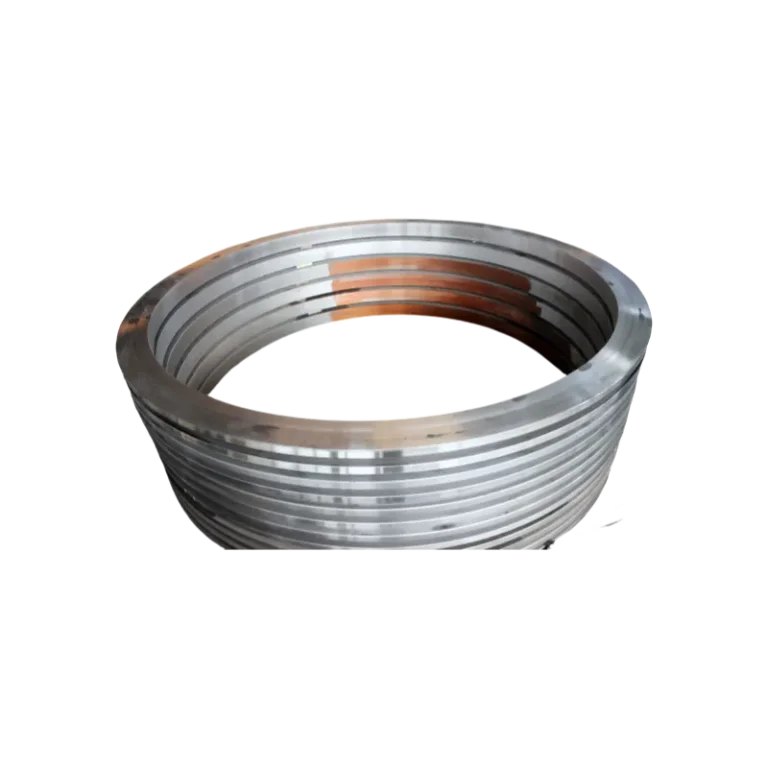
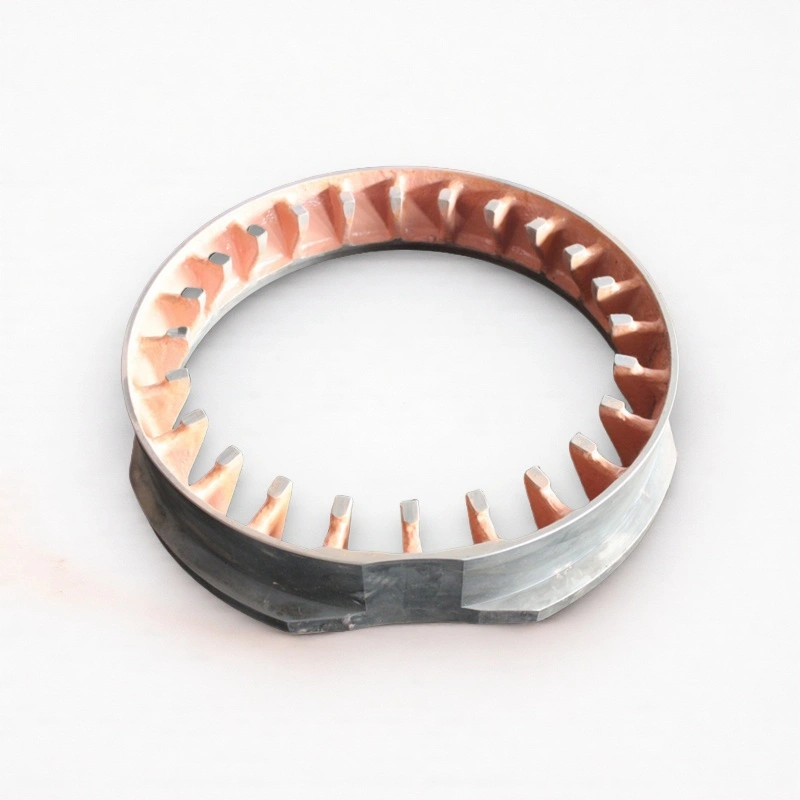
Inside the motor, the stator press ring holds the stator exactly where it needs to be. Even when the motor heats up or vibrates for hours on end, this little ring makes sure that the motor can keep working reliably.
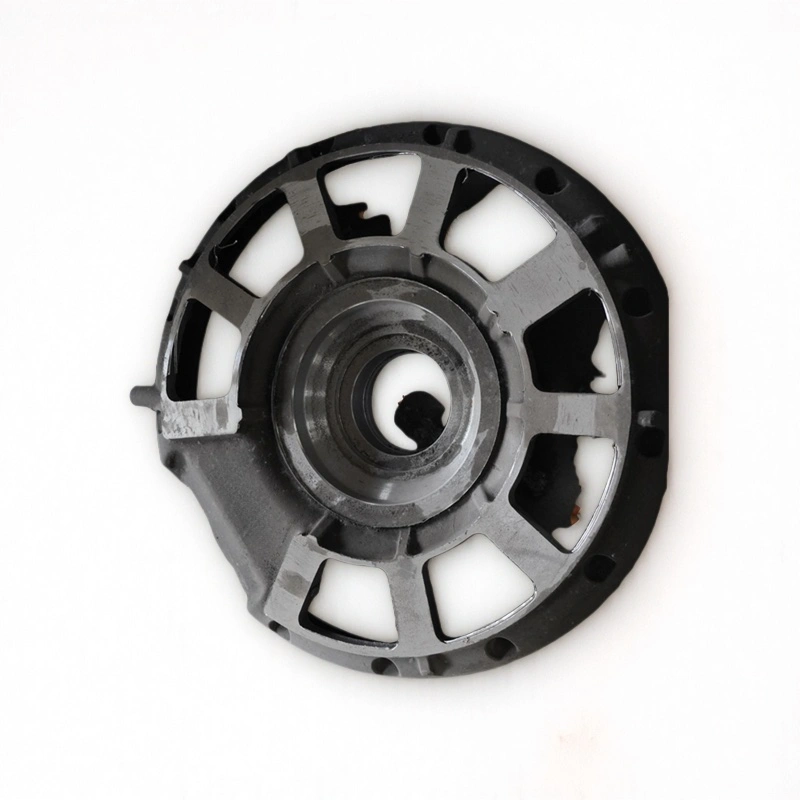
The end cover may not look flashy, but it’s essential. It holds the bearings, keeps the shaft lined up, and seals out dust and moisture. Without it, the motor wouldn’t run as smoothly or last as long.
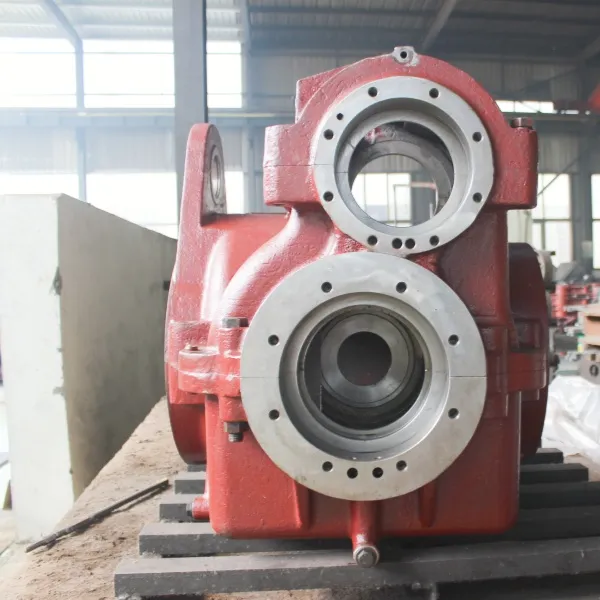
The motor spins fast but with relatively low torque. However, the gearbox housing changes that, turning high-speed spins into the strong, slow rotation the wheels need. It also dampens the force of the gears meshing together, reduces noise, and keeps everything well-lubricated.
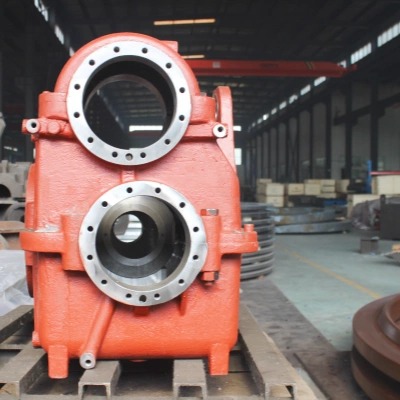
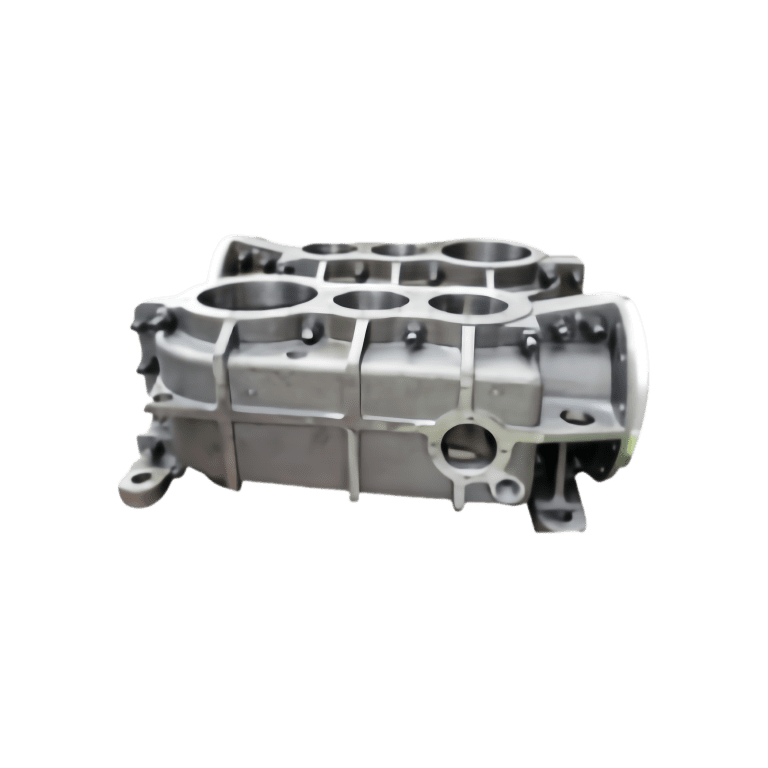
This part connects the traction system to the running gear. It supports bearings and safely transfers both pulling and braking forces to the wheels, acting like a bridge that carries power where it’s needed.
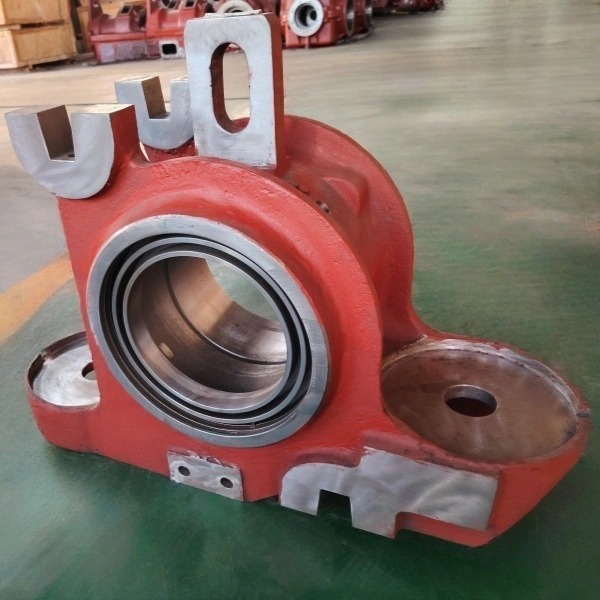
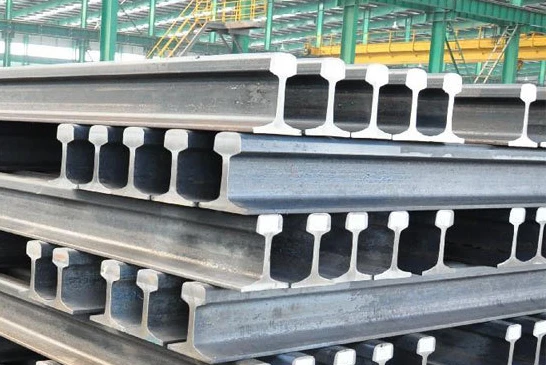
Finally, the traction force reaches the wheel set. Here, the train’s enormous energy meets the steel rail, which propels the train forward at high speed.
Finally, all traction force reaches the wheel set, where steel-on-steel contact translates it into motion. Adhesion, friction, and track conditions determine how effectively the train can accelerate or climb gradients.

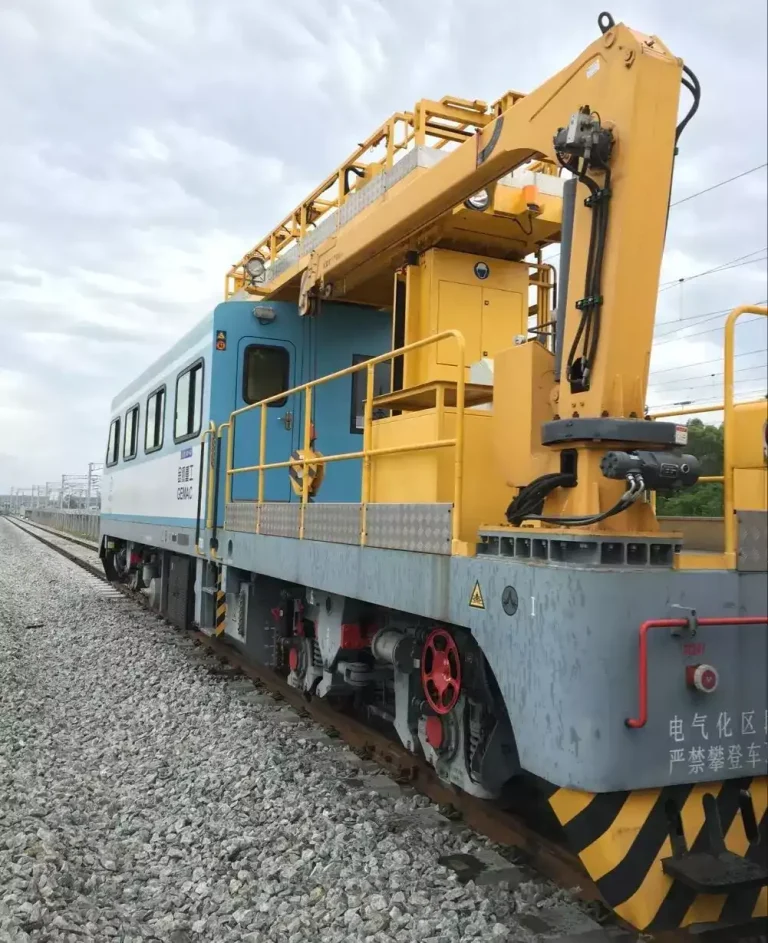
A high-speed train’s performance and safety depend on how well every component works together. Material selection, structural design, manufacturing precision and long-term durability, these all contribute to the reliability of the railway traction system.
From horse-drawn carts to steam locomotives, and from electric trains to today’s high-speed railways, the history of transportation is a history of harnessing power. In modern railways, electricity provides the energy—but it is engineering that refines this energy into safe, reliable motion. The feeling of “ten thousand galloping horses” is made possible not by brute force, but by a precisely coordinated railway traction system in which every component plays its role. In the end, the speed of a high-speed train comes from electricity, and its reliability comes from attention to every detail.
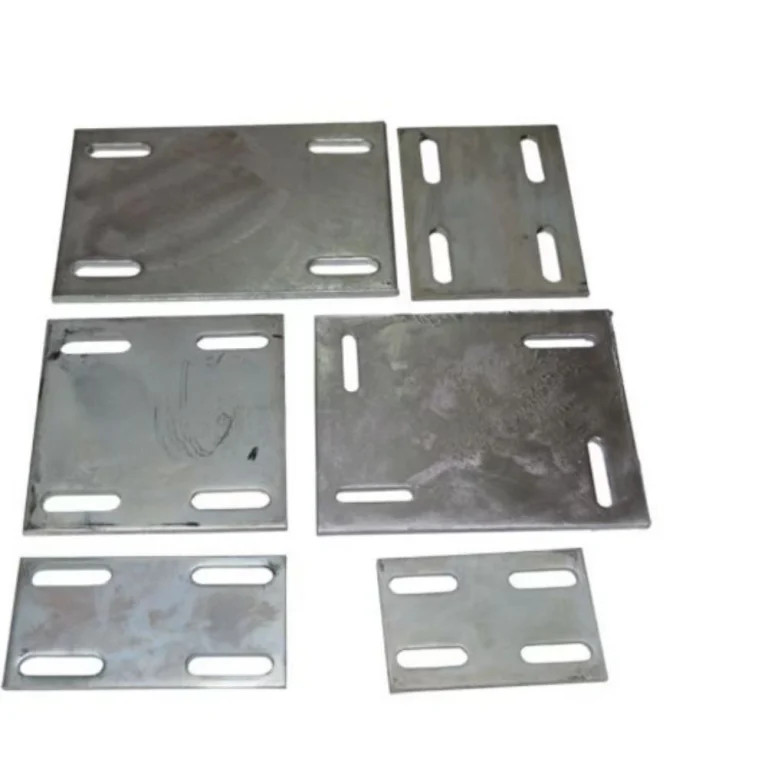
Every step in this journey—from the traction motor to the wheelset—depends on structural parts that must stay strong, precise, and reliable for years. This is exactly where Luoyang Fonyo Heavy Industries Co., Ltd.comes in. We specialize in manufacturing key structural components such as motor press rings, stator press rings, end covers, gearbox housings, and axle box housings for railway traction systems.
Our work may not always be visible from the outside, but it plays a vital role in keeping trains running smoothly and safely. You can explore our products and learn more about our manufacturing capabilities at www.railwaypart.com