Scan the WeChat code to contact us
Scan the WeChat code to contact us
Feel free to send us a email and we will reply to you as soon as possible.
Creating the future with heart and soul


The global trade landscape is increasingly defined by its vulnerabilities. When tensions rise near strategic maritime chokepoints like the Strait of Hormuz, through which about a fifth of the world’s oil passes, the fragility of supply chains is laid bare . For China, the world’s largest importer of crude and Iran’s primary oil customer, this is not an abstract geopolitical issue but a tangible business risk. However, beneath the surface of these maritime anxieties, a massive and strategic shift has been underway for years: the development of a resilient, overland railway corridor connecting China and Iran.
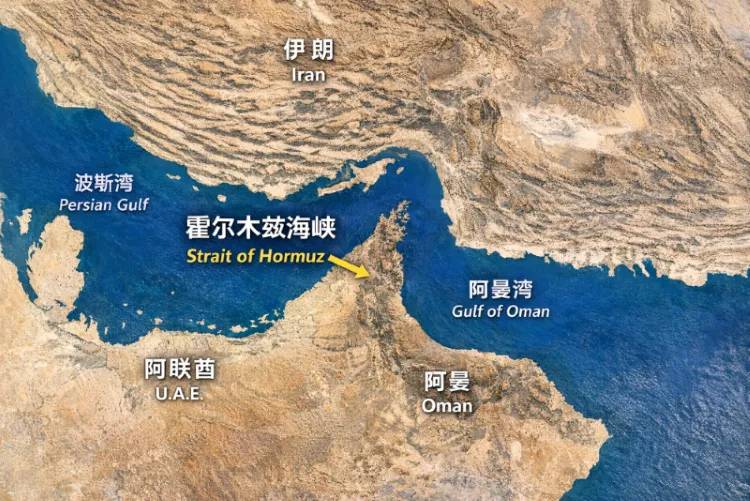
For decades, China’s trade with the Middle East has been synonymous with sea lanes. Yet, the reliance on the Strait of Hormuz and the Strait of Malacca presents a concentration of risk. The answer to this challenge has been the steady, deliberate construction of a continental bridge. This isn’t just an alternative; it’s a strategic necessity. The modern railroad network now provides a vital “safety net,” ensuring that if one route is compromised, another remains operational .
This railway corridor leverages the geography of Eurasia. By connecting China to Iran via Central Asia, it bypasses the world’s most volatile naval passageways, offering a lifeline for the flow of goods. Recent agreements, such as the six-party pact between Iran, China, Uzbekistan, Turkey, Turkmenistan, and Kazakhstan, are concrete steps toward standardizing tariffs and reducing transit times along this critical axis, making the railway commercially viable and increasingly attractive .
The vision of a continuous railway line from the Pacific to the Persian Gulf has moved from blueprint to reality through a series of significant milestones:
This growth underscores a fundamental shift: the railway is no longer a backup plan, but a parallel artery of global trade.
Why does this matter for businesses and economies? The advantages of the railway go beyond mere redundancy. It offers distinct logistical benefits:
However, the potential of this corridor is immense. The missing link between Marand (Iran) and Cheshmeh Soraya (Turkey) is currently a bottleneck, but once completed, it will unlock a fully seamless railway line from China to Europe, bypassing current capacity constraints . Furthermore, ambitious spurs like the proposed China–Kyrgyzstan–Uzbekistan railway will eventually feed into this network, shortening the distance between East Asia and Europe by hundreds of kilometers .
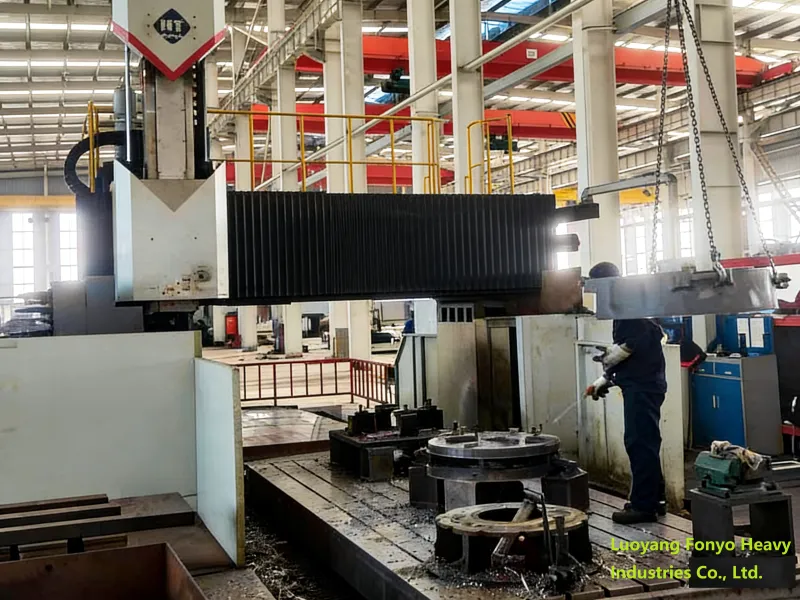
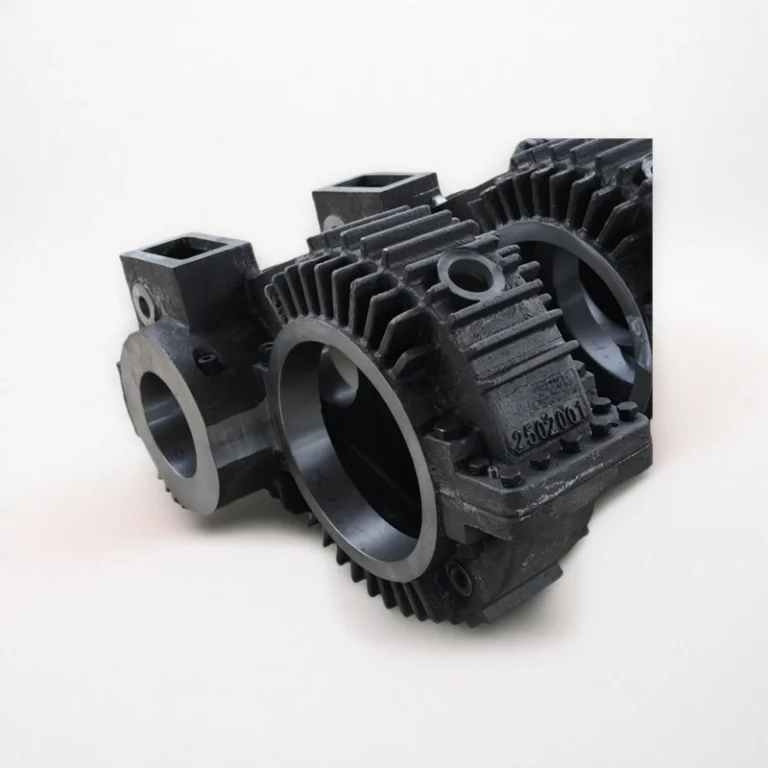
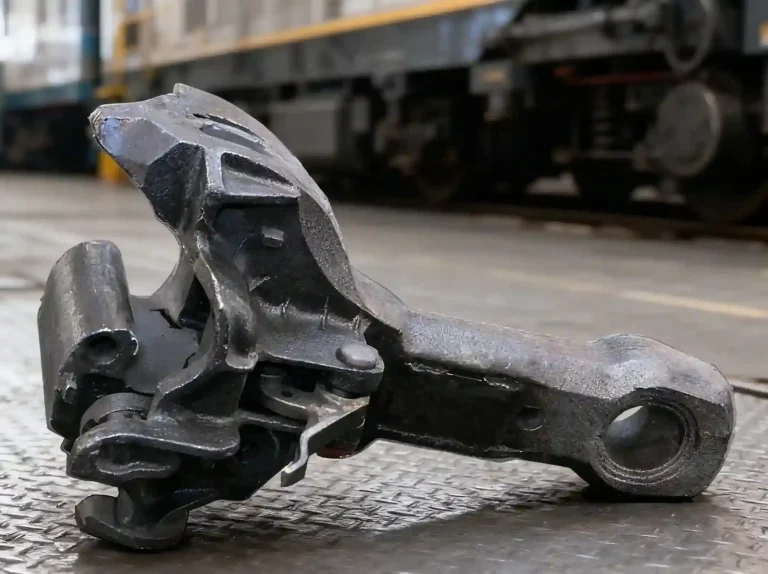
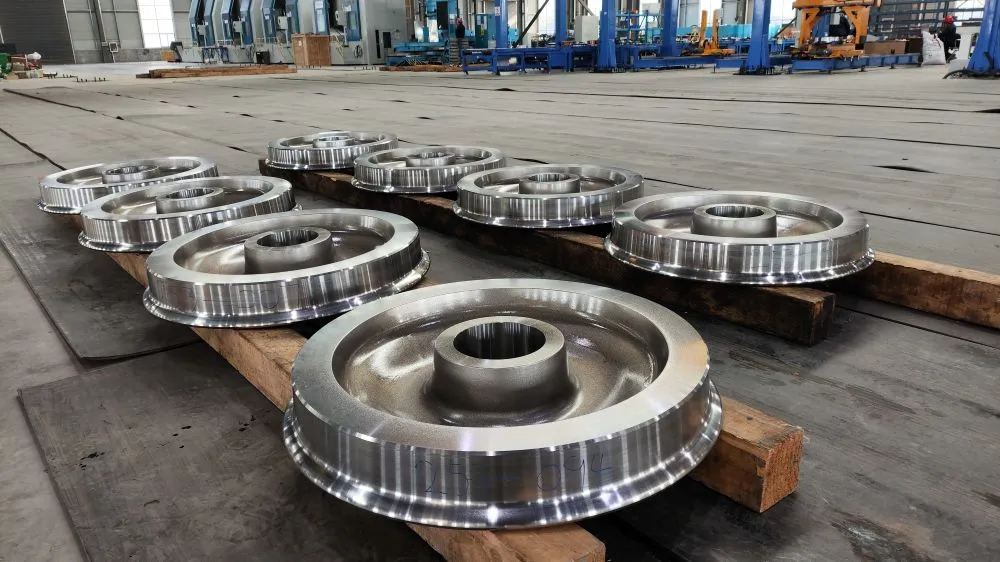
All these grand strategies and impressive statistics rely on one fundamental truth: a railway is only as strong as its components. The wheels that endure the friction of thousands of kilometers, the castings that form the heart of the bogies, and the forgings that absorb the immense stress of heavy freight—these are the silent workhorses of the “Iron Silk Road.”
As the frequency of trains increases and the load they carry grows heavier, the demand for high-quality, durable railway parts has never been greater. The sophisticated logistics networks planned for hubs in Yazd, Sirjan, and Tabriz require rolling stock that is not only reliable but also manufactured to the highest international standards . Ensuring the safety and efficiency of this vital link depends on precision engineering at the most fundamental level.
The China-Iran railroad corridor is a testament to the power of strategic infrastructure. It transforms a geographic vulnerability into a logistical strength, weaving a network of steel that underpins the future of Eurasian trade. As this railway network expands and matures, its reliability will become even more critical to the global supply chain.
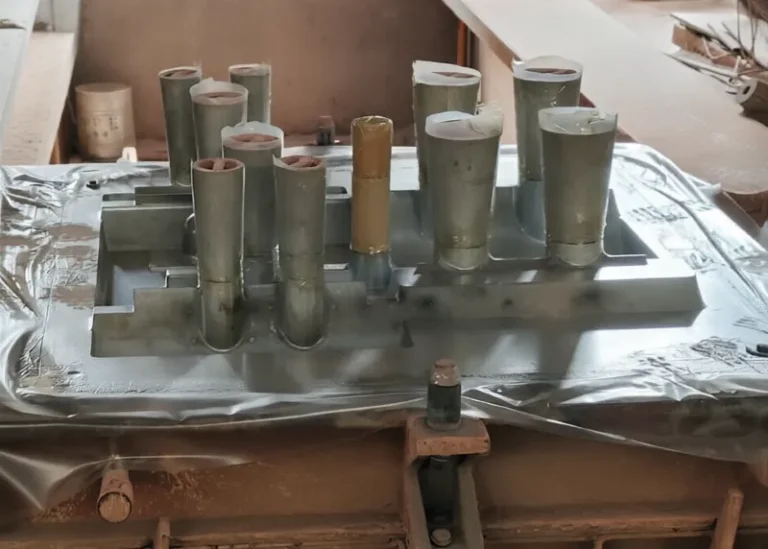
Behind every successful journey of these transcontinental trains lies a complex ecosystem of specialized manufacturing. We take pride in being an integral part of that ecosystem. At Luoyang Fonyo Heavy Industries Co., Ltd., We are a manufacturing enterprise dedicated to producing railway wheels, castings, forgings, and a full range of rail-related components. We understand that the durability of the railway wheels meeting the tracks, the strength of the railway forgings in the locomotives, and the precision of the railway castings in the freight cars are what make the promise of a resilient, efficient China-Iran railway a daily reality. We are not just manufacturing parts; we are building the reliability of the world’s most important new trade routes. Please visit our website www.railwaypart.com to get more information about us.