Scan the WeChat code to contact us
Scan the WeChat code to contact us
Feel free to send us a email and we will reply to you as soon as possible.
Creating the future with heart and soul


When it comes to railway safety, braking performance is something people often overlook — until something goes wrong. In reality, railway brake shoes play a key role every day. They quietly turn a moving train’s energy into heat, bringing these huge vehicles to a smooth stop. Brake shoes may look simple, but the materials used make a real difference in braking effect, noise levels, wheel wear, and long-term maintenance costs. The most common types used today are composite brake shoes (made from resin, fiber, graphite, and iron powder) and traditional cast iron brake shoes. In order to choose the right brake shoes according to your actual operation condition, we should understand their difference.
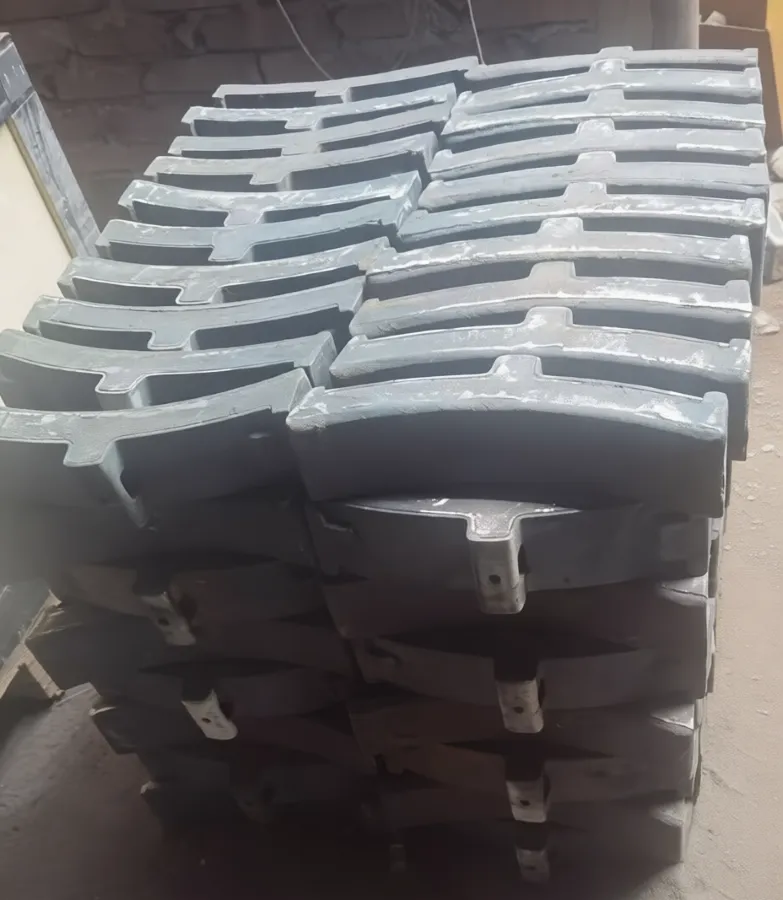
Cast iron brake shoes are an old friend on the railways — they’ve been used for decades. Made mainly from grey cast iron or ductile iron, they are known for being strong and wear-resistant. Because they are so hard, they can handle heavy loads and strong braking forces, which is why they are still widely used in freight locomotives and heavy-haul lines. But this “hard” nature comes with trade-offs: braking can feel rougher, noise levels are higher, and especially during frequent braking, more pressure is put on the wheel surface. With time fillies, this can speed up wheel wear and increase maintenance cost, even though sometimes the brake shoes themselves may last a long time and still no problem.
Composite brake shoes were developed to overcome some of the limitations of cast-iron ones. They combine resin as a binder with reinforcing fibre, graphite, and iron powder. This mix material provides more stable and controllable friction. The resin can hold everything together. The fibre can help it remain strong under high temperatures. Graphite adds a self-lubricating effect, it can make braking smoother and reducing vibration. Iron powder helps maintain steady friction and dissipates heat. So we know what the words composite means, with these different material working together and do there job perfedtly. In this case, these materials allow composite brake shoes to deliver good braking power while reducing noise and improving comfort.
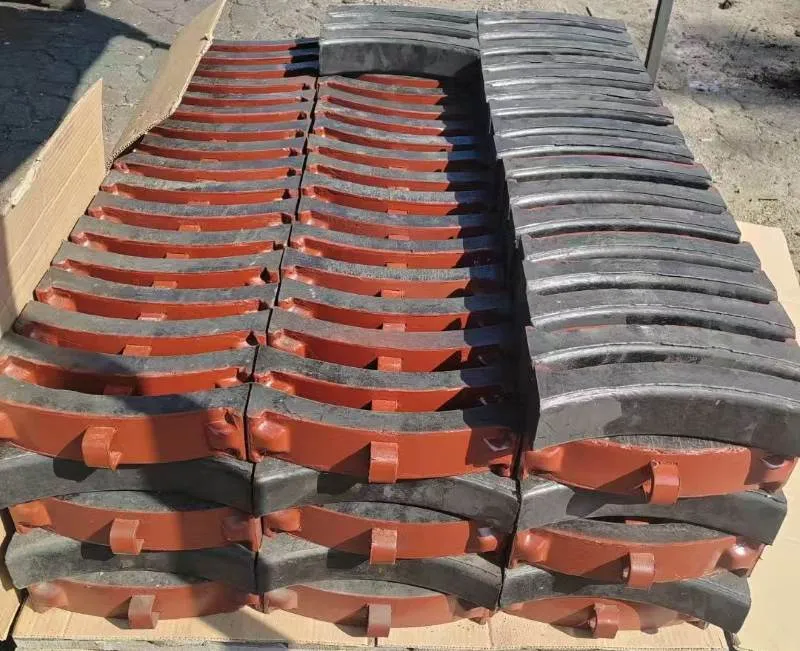
One of the most practical differences is how the two types interact with the wheel. Cast iron shoes are very durable, but their hardness can wear down the wheel surface faster. In the long run, railway operators may face higher costs for wheel repair or replacement. Composite shoes are gentler. They wear more evenly and are easier on the wheel. Although they may not last as long as cast iron shoes themselves, they can extend wheel life, which may save money overall on maintenance.
Noise is becoming more important today, especially for trains running in cities or lines with lots of passengers. Cast iron brake shoes tend to make a more noticeable noise when braking, particularly at low speeds. Composite brake shoes perform better here, largely because of their graphite’s lubricating and vibration-damping effect. That’s why composite shoes are often used in passenger trains, metro systems, and lines where low noise and riding comfort are priorities.
In the end, the choice depends on how and where your trains run. For heavy freight operations that value load capacity, durability, and cost, cast iron shoes remain a reliable and practical materila for your choice. Wheile for high-speed passenger services, or where smooth braking, low noise, and wheel protection matter more, composite shoes have clear advantages. These days, many new railway projects especially those focused on environmental impact and passenger experience are choosing composite shoes more often.
So as we can see, there is no single brake shoe material is best for everything. Each type fits different situations, so how to choose them is depending on your priorities. It’s all about balancing durability, noise, wheel wear, and maintenance costs. Choosing the right material can improve safety, lower long-term costs, and give you smoother, more reliable braking.
Now we understand material differences of brake shoes, and we know that choosing a reliable manufacturer is just as important. At Luoyang Fonyo Heavy Inhttp://www.railwaypart.comdustries Co., Ltd. we specialize in the production of high-quality railway brake shoes for a wide range of railway applications. With experience in both composite brake shoes made from resin, fiber, graphite, and iron powder, as well as traditional cast iron brake shoes, we are able to support different operating conditions and performance requirements. From material selection to process control and quality inspection, every step is focused on delivering stable braking performance and long service life.
If you would like to learn more about our manufacturing capabilities or discuss a specific project, please visitwww.railwaypart.com to explore how our railway brake shoes can support your railway operations.
If you are interested in other railway products such as railway castings, railway wheels, or other train components, please contact us. Let\s work together and make a better future.